
How Many People Participate in Elections?
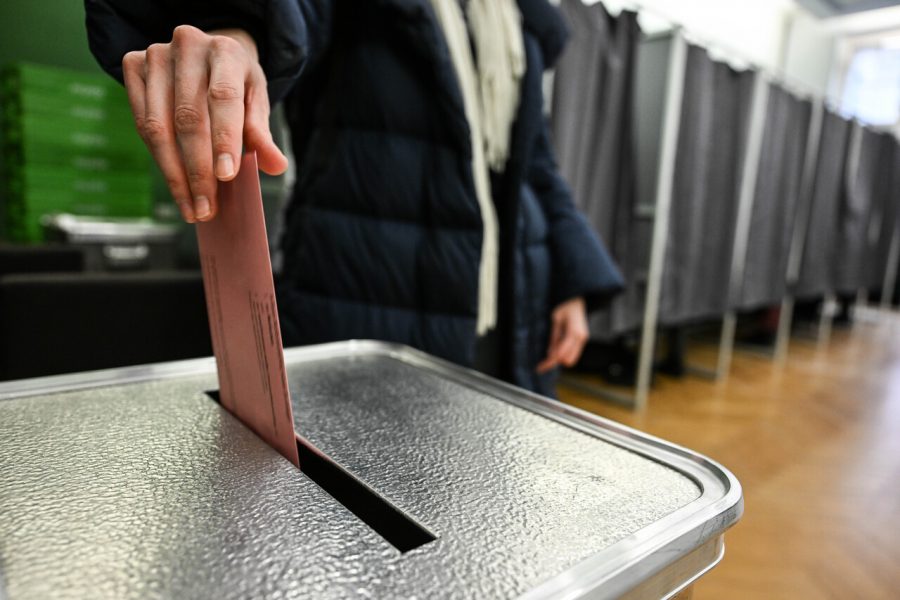
After every election in Germany, one figure receives particular attention: voter turnout, the share of eligible voters who actually cast their ballots. In German public debate, close attention is paid to how voter turnout develops over time.
For example, in the 2025 federal election, 82.5 percent of eligible voters across Germany cast their ballots. This was the highest voter turnout in a federal election since 1987, when it stood at 84.3 percent. Turnout reached its lowest point in 2009 at just 70.8 percent.
Many welcomed this upward trend, as low voter turnout is often regarded as a sign of widespread dissatisfaction with the political system and political parties. Low turnout also raises questions about how representative elected politicians are of the population.
However, voter turnout in state and local elections is generally much lower. In Berlin, for example, voter turnout in the 2023 House of Representatives election was only 63.1 percent.
How Do First-Time Voters Vote?
After every election, public discussion often turns to how first-time voters cast their ballots. These are people who were eligible to vote in an election for the very first time.
The minimum voting age for federal elections is 18. For state and local elections, the voting age varies depending on the federal state and is either 18 or 16. People who were already eligible in previous elections but did not vote are not counted as first-time voters.
In the 2025 federal election, there were around 2.3 million first-time voters in Germany. By comparison, 60.51 million people were eligible to vote overall.
According to the post-election analysis conducted by the polling institute Infratest dimap, first-time voters most frequently voted for Die Linke (around 25 to 26 percent). This was significantly higher than the party’s overall result (around 9 percent). Die Linke is politically left-wing and describes itself as democratic socialist.
Among first-time voters, the AfD came in second (19 to 21 percent). Compared with its overall result (20.8 percent), the right-wing party performed at a similar level among first-time voters. Various experts classify it as right-wing populist or right-wing extremist.
The Christian Democratic CDU/CSU, which won the election overall with 28.5 percent of the vote, came only third among first-time voters, with 14 percent.
Why Do People Not Vote?
In Germany, voter turnout has never reached 100 percent in a major federal election. In the most recent federal election in 2025, 17.5 percent of eligible voters did not cast a ballot. This corresponds to just over 10 million people.
In previous federal elections since the 2000s, the share of non-voters had generally remained between 20 and 30 percent. Non-voters are not included in parties’ vote shares, which are calculated only from valid votes cast.
Why some people do not vote cannot be answered universally. Nevertheless, many studies have examined the issue. For example, after the 2025 federal election, Infratest dimap surveyed more than 500 non-voters. Among other things, they were asked about their reasons for not voting.
One of the most important reasons was general dissatisfaction with politics. Many respondents said they had not found a party they supported or that all parties seemed the same to them. Many non-voters also said they believed their vote would not make any difference.
Studies suggest that whether or not someone votes is also related to their socioeconomic background. Accordingly, the likelihood of not voting is particularly high among people with low incomes and lower levels of education.
Here you can find the Berlin Wiki page of Berliner Morgenpost.
(Header image: © FUNKE Foto Services | Reto Klar)