
“When people co-create, we outperform any master plan.”
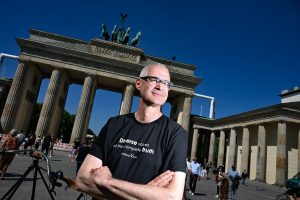
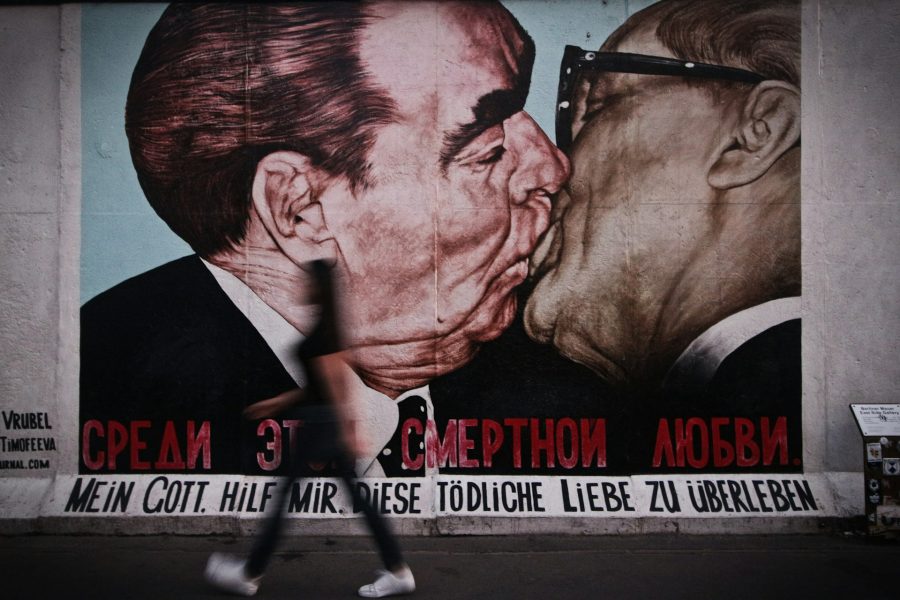
Audrey Tang, Taiwan’s first Digital Minister described this as one of the lessons of Berlin in 1989.
How are we performing today? What is the master plan? And what about co-creation?
To answer this, let me start with my three lessons from Taiwan’s democratic process. It took decades for Taiwan to move from Chiang Kai-shek’s authoritarian rule to today’s highly developed democracy.
- Civic leadership – the recurring pattern
Strong grassroots movements create pressure for political change, which is then taken up by political leaders and institutions. - Consistency – wave after wave
Civic initiatives keep pushing the democratic process forward, again and again, without major setbacks. - Mindset – different movements reinforcing each other
Very different civic movements strengthen each other. Minority languages, climate, digital democracy, LGBTQ+ rights, freedom of press – different issues can all become part of a democratic co-creation process.
So, where are we today in Berlin?
We talk a lot, but we do very little.
What is the master plan?
The success story of post-war West Germany and the Merkel years have led many people to believe that being German means enjoying a privileged status: the state provides solutions to ensure a high quality of life. Our civic contribution is to vote for democratic parties – parties that seem increasingly focused on managing the present rather than shaping the future. They form a government that is expected to solve our problems.
All done. Let’s go party. Mallorca.
But democratic parties seem to have lost their big vision. They are stuck. They don’t lead us anywhere.
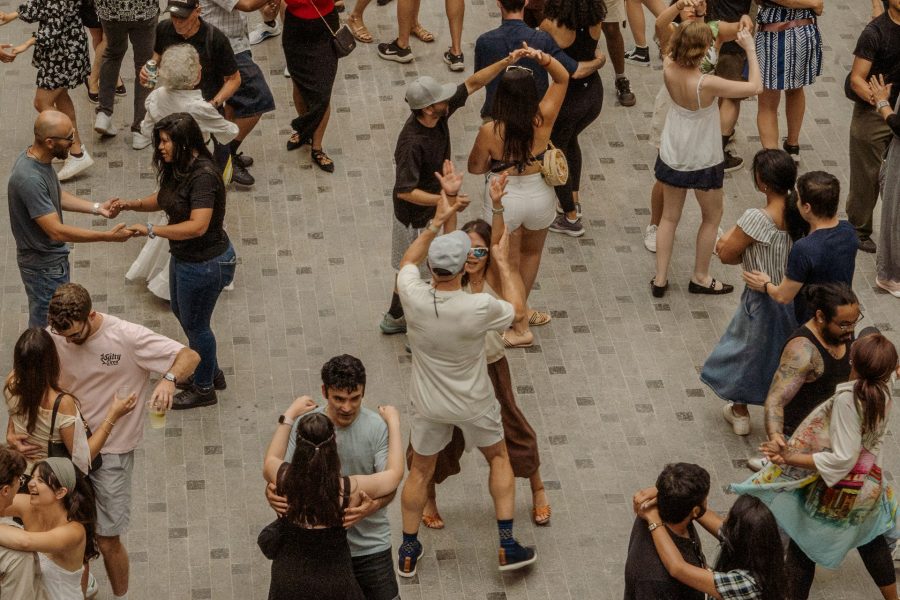
What if we could bring back the mindset of doing things together?
What if we developed solutions through civic initiatives, tested them, improved them – and then gave them to the state to implement?
What if we developed our vision for the future of German society – and challenged politics to make it happen?
What if we took our future into our own hands, my fellow Berliners?
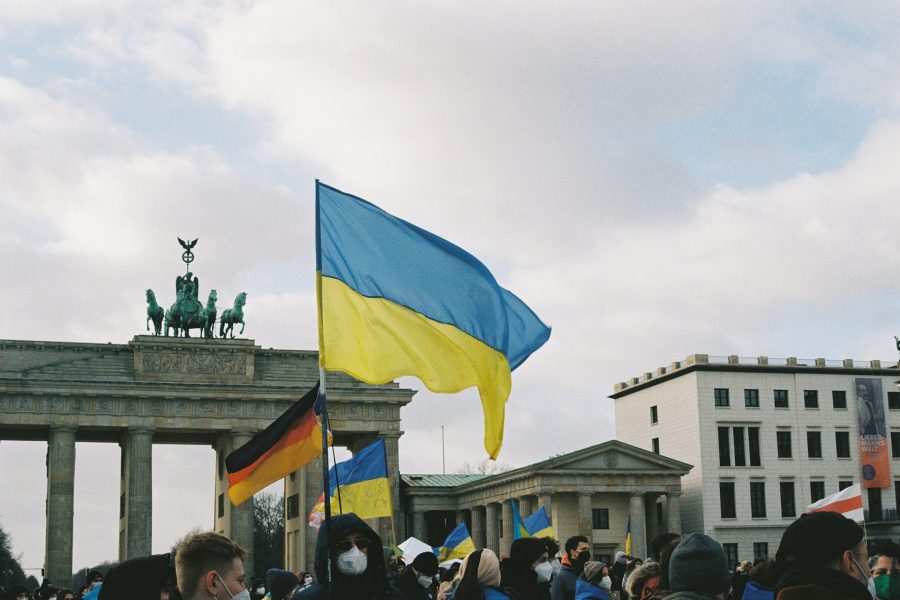
How can we rediscover the energy of 1989? A time when no one was waiting for Erich Honecker or Günter Schabowski to solve the problems. Not for Eberhard Diepgen. Not for Walter Momper.
We have to find our own way. Otherwise, others will decide our future.
(Header image: © Jeison Higuita | Unsplash)