
Tag: migrants
-
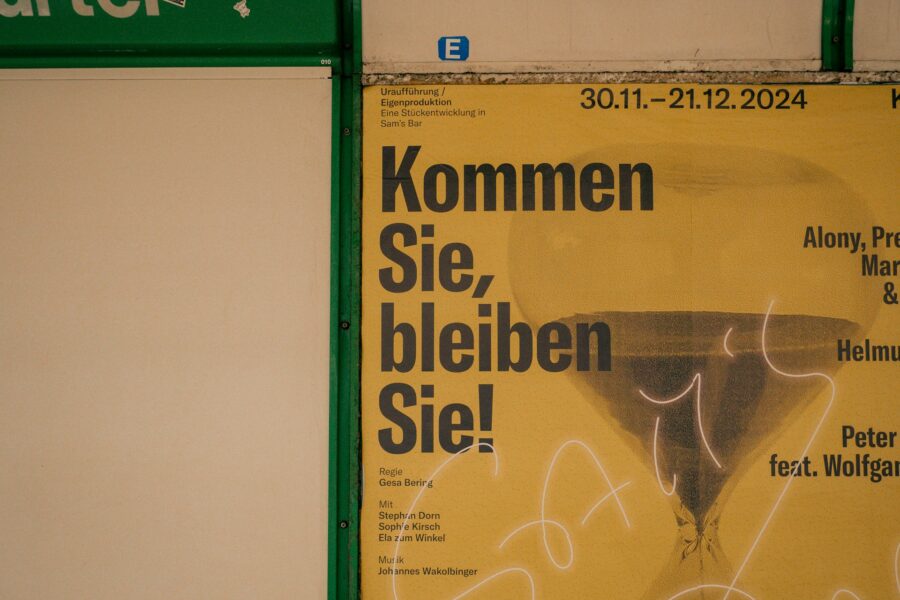
You Cannot Be Both a Host and a Guest
“The major European states are now as multiethnic as the United States,” writes Niall Ferguson in his latest analysis of student demonstrations in Europe. “The foreign-born share of the American population is 16 percent, an all-time high. However, the figures for the UK, Spain, and Germany are even higher.” In Berlin, around one million people cannot vote in the city’s state…
-

Social Psychologist Ulrich Wagner on How Fear and Prejudice Fuel the Far Right
The rise of the far right has become impossible to ignore in Germany. In the 2026 state elections in Saxony-Anhalt, the AfD mobilized voters on a remarkable scale, with migration and “remigration” playing a prominent role in its political messaging. But why are narratives that portray immigrants and other social groups as a threat so effective? What makes people divide the…
-

From Distrust to Dialogue: Why We Need to Meet
“Immigrants’ political trust starts high – and declines over time,” says the We-ID project, which we have covered in detail. Living in a better society, having a voice and being part of a democracy are among the most important factors people consider when choosing a new place to live. Before the rise of the AfD, Berlin and Germany seemed to offer…
-

The Participation Paradox: Why Political Trust Doesn’t Always Translate Into Votes
Research published earlier this year by researchers at the University of St Andrews as part of the European We-ID project found a striking pattern: across Europe, immigrants tend to have greater trust in political institutions and higher levels of satisfaction with democracy than native-born populations. But the longer they and their families live in their new countries, the smaller that difference…
-
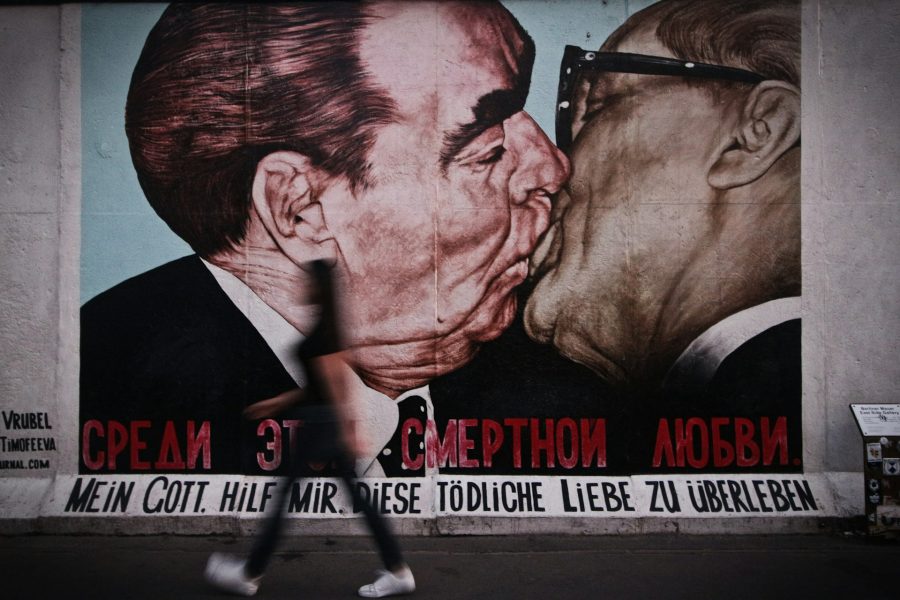
We talk a lot. But what do we actually do?
“When people co-create, we outperform any master plan.”Audrey Tang, Taiwan’s first Digital Minister described this as one of the lessons of Berlin in 1989. How are we performing today? What is the master plan? And what about co-creation? To answer this, let me start with my three lessons from Taiwan’s democratic process. It took decades for Taiwan to move from Chiang…
-
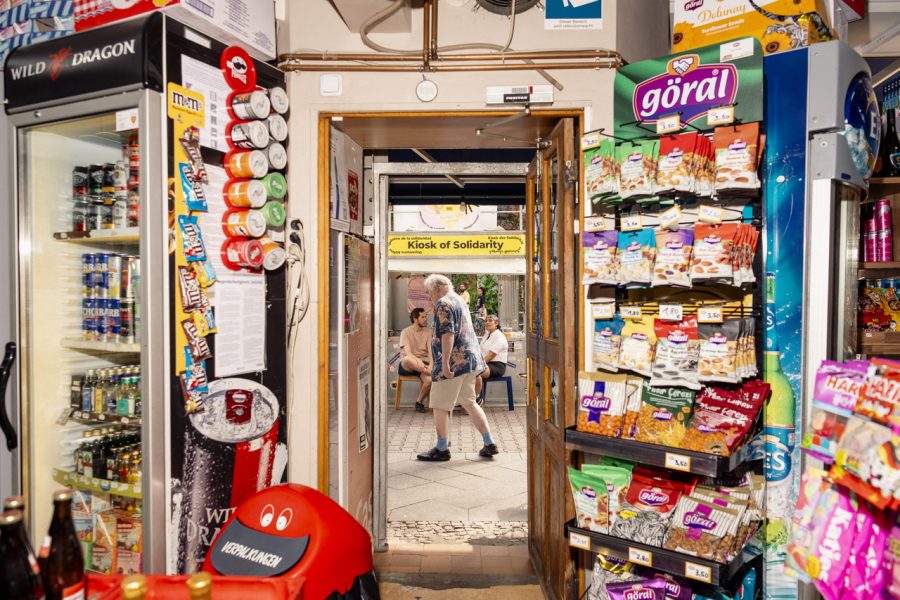
Democracy at the Späti: What Berlin’s Symbolic Election Revealed
Ahead of Berlin’s September elections, Migrationsrat Berlin e.V. brought the ballot box to an unusual setting: the city’s Spätis. At 11 locations across Berlin, people were invited to take part in a symbolic election and discuss a question that affects a significant part of the city’s population: who gets to have a say in the political decisions that shape their everyday…

WahlheYmatPost — Understand How To Berlin
Weekly guide for Berlin’s international community
Quick stories, local events, and ways to take part, right in your inbox — made with Berliner Morgenpost.
Your data matters to us — see our privacy policy.
This is a cooperation with Berliner Morgenpost. You can subscribe to their newsletters here.
