
Tag: voting rights
-

From Distrust to Dialogue: Why We Need to Meet
“Immigrants’ political trust starts high – and declines over time,” says the We-ID project, which we have covered in detail. Living in a better society, having a voice and being part of a democracy are among the most important factors people consider when choosing a new place to live. Before the rise of the AfD, Berlin and Germany seemed to offer…
-
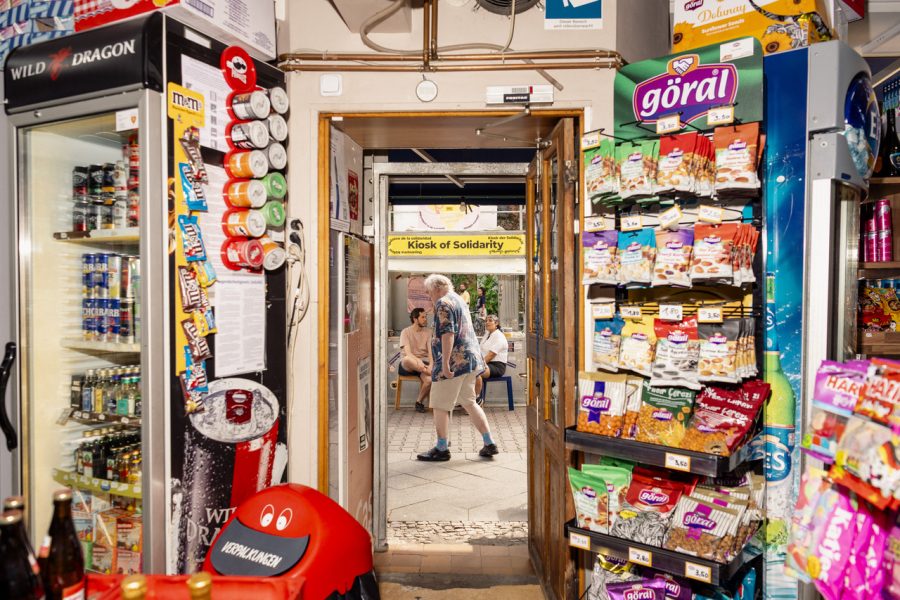
Democracy at the Späti: What Berlin’s Symbolic Election Revealed
Ahead of Berlin’s September elections, Migrationsrat Berlin e.V. brought the ballot box to an unusual setting: the city’s Spätis. At 11 locations across Berlin, people were invited to take part in a symbolic election and discuss a question that affects a significant part of the city’s population: who gets to have a say in the political decisions that shape their everyday…
-

StimmlosTrend 2026: 96 Percent Would Vote If They Could
Around one million people living in Berlin do not hold a German passport, 851,000 of whom are adults. They cannot vote in elections to the Berlin House of Representatives – and their political views are therefore largely absent from traditional election polling. WahlheYmat created StimmlosTrend 2026 to make these perspectives visible. Inspired by the BerlinTrend conducted by Infratest dimap, the survey…
-
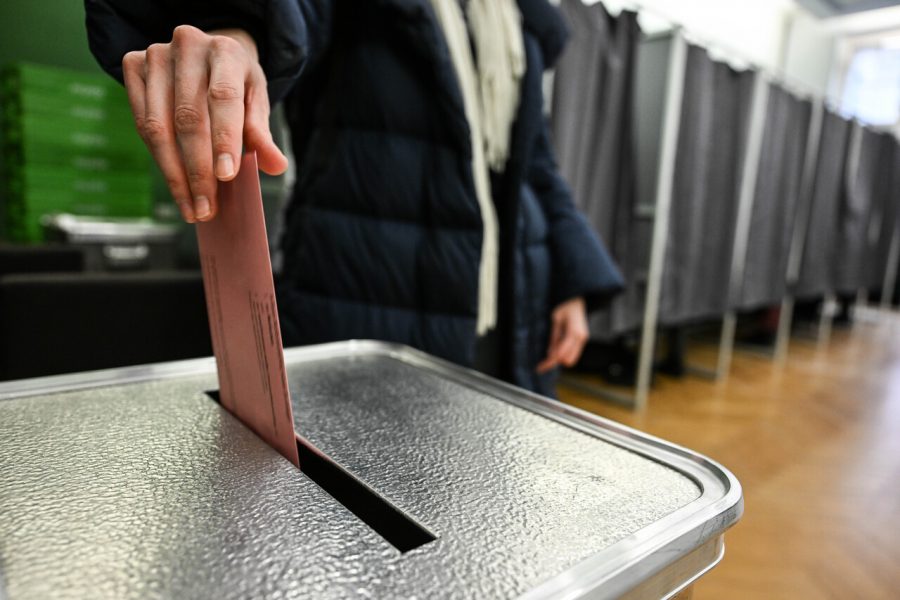
Berlin Wiki: Who Votes – and Who Stays Home?
How Many People Participate in Elections? After every election in Germany, one figure receives particular attention: voter turnout, the share of eligible voters who actually cast their ballots. In German public debate, close attention is paid to how voter turnout develops over time. For example, in the 2025 federal election, 82.5 percent of eligible voters across Germany cast their ballots. This…
-
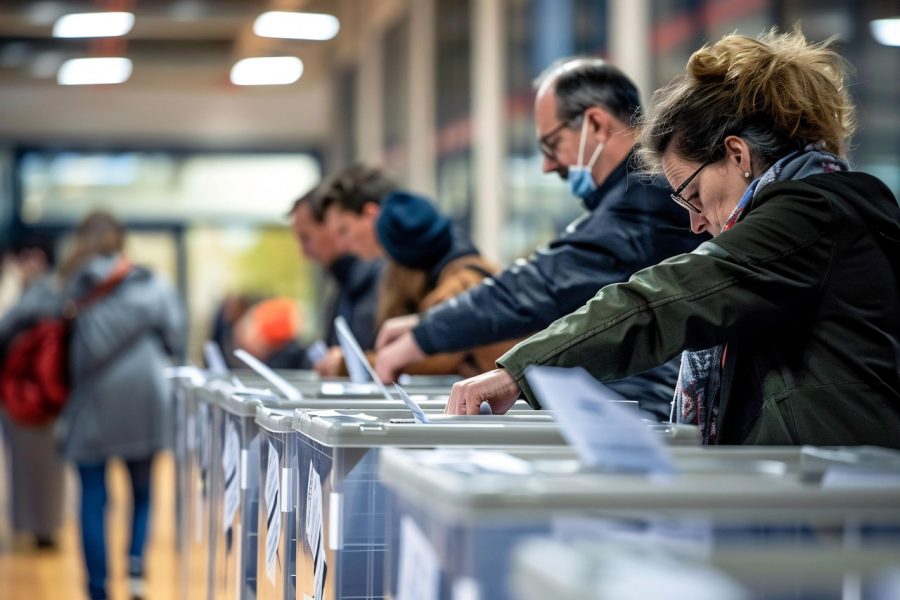
Berlin Wiki: Who Is Allowed to Vote – and Why Not Everyone Can
Who is allowed to vote, and who is not? In a democratic state like Germany, the right to vote is of central importance. It allows citizens to take part in political decision-making and help determine the composition of the government. In Germany, voters must meet certain requirements in order to vote. They must hold German citizenship and have reached the age…
-
“Das Volk” in 2026: Time to Redefine the People
“Do you behave as the person you truly want to be?” I ask myself this question in moments when I clearly fall short. Yes, it is hard to live up to one’s ideal self—I’m probably not the only one who feels this way. The same applies for societies. Over the past ten years, I have learned a lot about German society.…

WahlheYmatPost — Understand How To Berlin
Weekly guide for Berlin’s international community
Quick stories, local events, and ways to take part, right in your inbox — made with Berliner Morgenpost.
Your data matters to us — see our privacy policy.
This is a cooperation with Berliner Morgenpost. You can subscribe to their newsletters here.
