
Tag: Berlin elections
-

From Distrust to Dialogue: Why We Need to Meet
“Immigrants’ political trust starts high – and declines over time,” says the We-ID project, which we have covered in detail. Living in a better society, having a voice and being part of a democracy are among the most important factors people consider when choosing a new place to live. Before the rise of the AfD, Berlin and Germany seemed to offer…
-

The Participation Paradox: Why Political Trust Doesn’t Always Translate Into Votes
Research published earlier this year by researchers at the University of St Andrews as part of the European We-ID project found a striking pattern: across Europe, immigrants tend to have greater trust in political institutions and higher levels of satisfaction with democracy than native-born populations. But the longer they and their families live in their new countries, the smaller that difference…
-
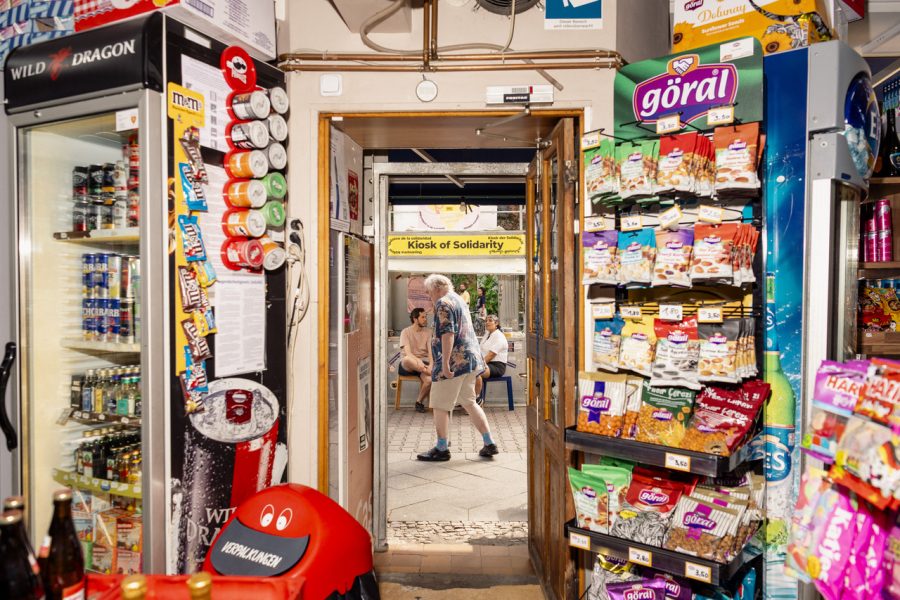
Democracy at the Späti: What Berlin’s Symbolic Election Revealed
Ahead of Berlin’s September elections, Migrationsrat Berlin e.V. brought the ballot box to an unusual setting: the city’s Spätis. At 11 locations across Berlin, people were invited to take part in a symbolic election and discuss a question that affects a significant part of the city’s population: who gets to have a say in the political decisions that shape their everyday…
-
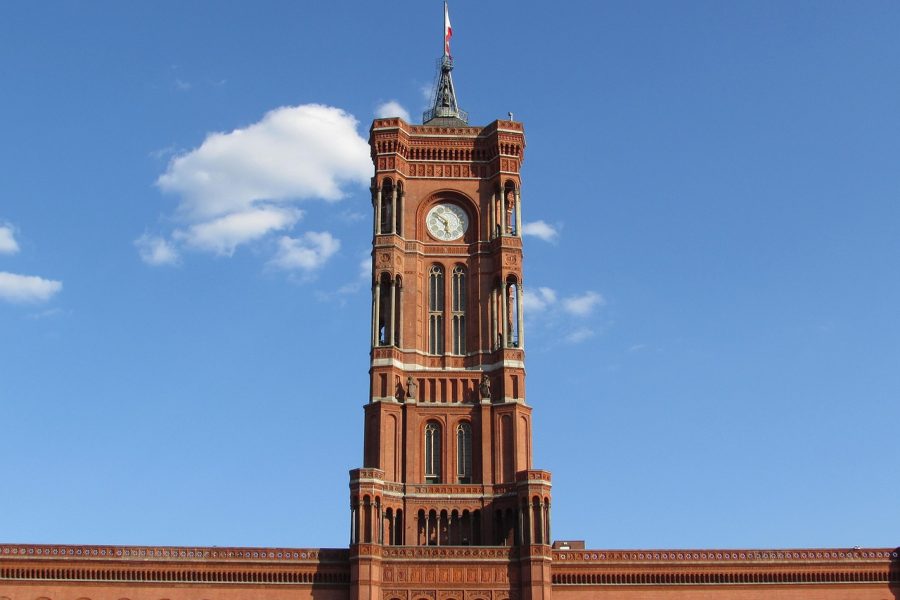
The Berlin Election Is Over – The Work Begins
What do the Berlin election results tell us? Our TOP 3 takeaways 1. Housing won Housing is clearly the central issue in Berlin, as StimmlosTrend also showed. Die Linke won by putting housing at the top of its agenda. Many citizens now hope they can deliver. 2. Voting with gloves Many people vote against a party or candidate rather than for…
-
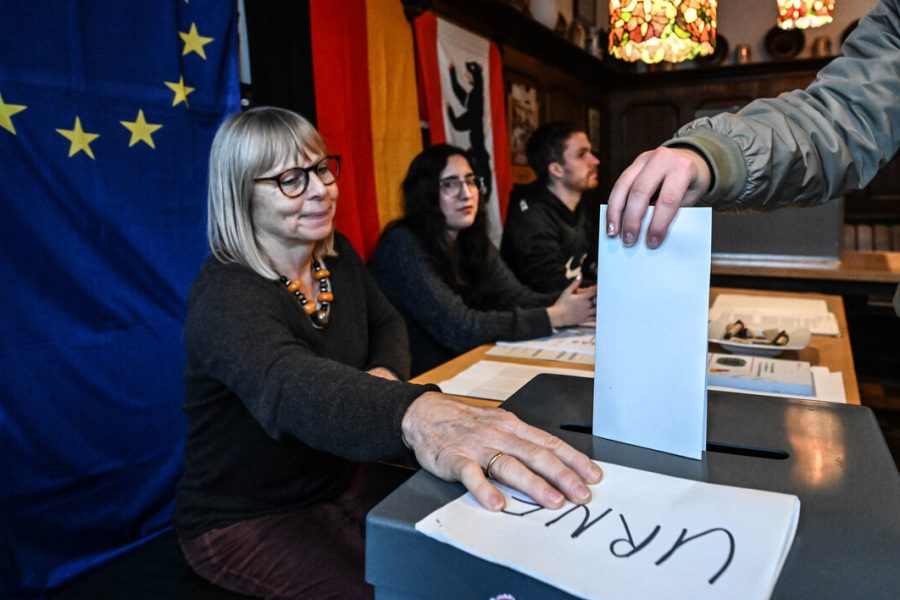
Berlin Wiki: Election Day – From Casting Your Vote to the Results
What Happens on Election Day? Election day is when eligible voters in a democracy are called on to cast their ballots. Voting and Counting the Votes In Germany, elections must be held on a Sunday or a public holiday. Polling stations are generally open from 8 a.m. to 6 p.m. They are often located in schools, sports halls or town halls.…
-

StimmlosTrend 2026: 96 Percent Would Vote If They Could
Around one million people living in Berlin do not hold a German passport, 851,000 of whom are adults. They cannot vote in elections to the Berlin House of Representatives – and their political views are therefore largely absent from traditional election polling. WahlheYmat created StimmlosTrend 2026 to make these perspectives visible. Inspired by the BerlinTrend conducted by Infratest dimap, the survey…

WahlheYmatPost — Understand How To Berlin
Weekly guide for Berlin’s international community
Quick stories, local events, and ways to take part, right in your inbox — made with Berliner Morgenpost.
Your data matters to us — see our privacy policy.
This is a cooperation with Berliner Morgenpost. You can subscribe to their newsletters here.
