
Tag: Berlin elections
-

Berlin Wiki: How Do You Decide Who to Vote For?
How Do You Decide Which Party to Vote For? Many people find it difficult to decide which party to vote for. But instead of not voting at all, it is important to inform yourself thoroughly. Democracy is based on people making decisions together based on their own convictions. To do so, voters need to be aware of their own views and…
-
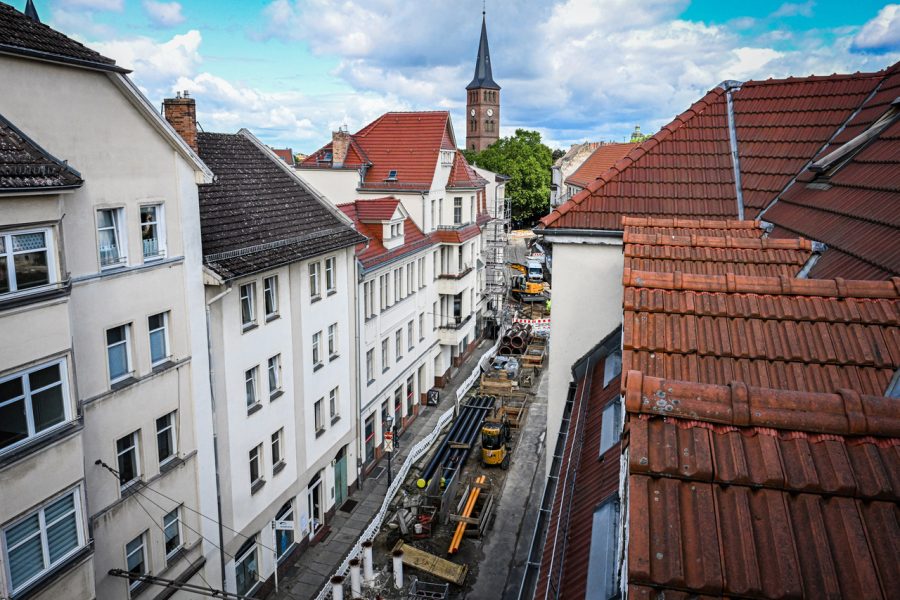
Berlin Wiki: What Are the Key Issues in Berlin’s Election?
Why Is Rent Policy a Central Issue in Berlin’s Election Campaign? Around 85 percent of Berliners live in rented accommodation. At the same time, the housing market in the capital is tight: rents are rising, new housing construction remains sluggish, and legal loopholes frequently allow furnished apartments to be offered at inflated prices. This is why rent policy is one of…
-

A Mayor Tandem for Berlin
What if Berlin had two Regierende Bürgermeister:innen? One representing the city’s elected voice — and another representing the voice of Berlin’s international residents who live, work and contribute here but do not have German citizenship and therefore cannot vote in Berlin elections. Because in a democratic society, it can’t be right that 25% of the people who live here have no…
-
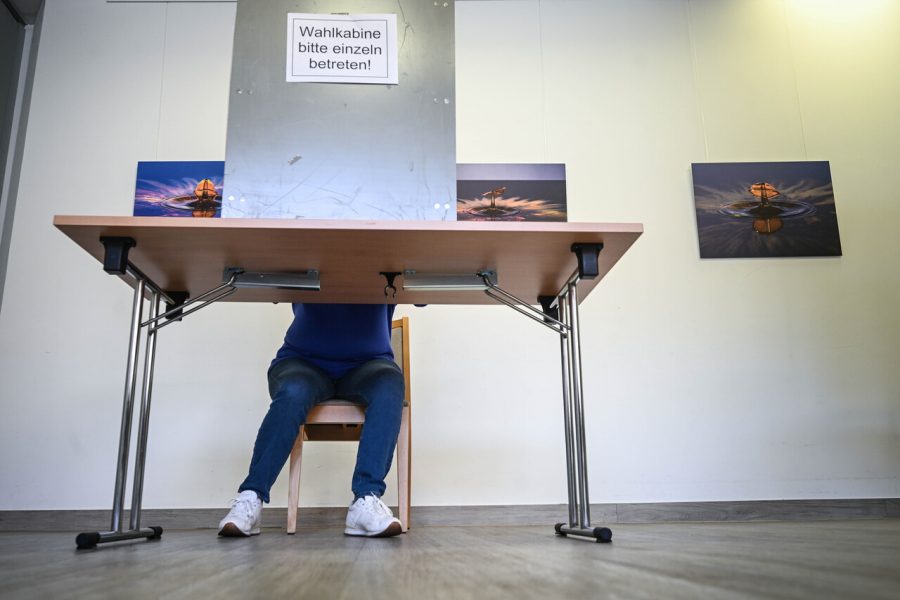
Berlin Wiki: Equal Access to Democracy
What Impact Does Berlin’s Electoral Reform Have? In September 2023, Berlin’s House of Representatives (AGH) adopted an amendment to the state constitution lowering the voting age from 18 to 16. The aim of the constitutional amendment is to strengthen the democratic participation of young people. The new rule will apply for the first time in the 2026 election to the House…
-
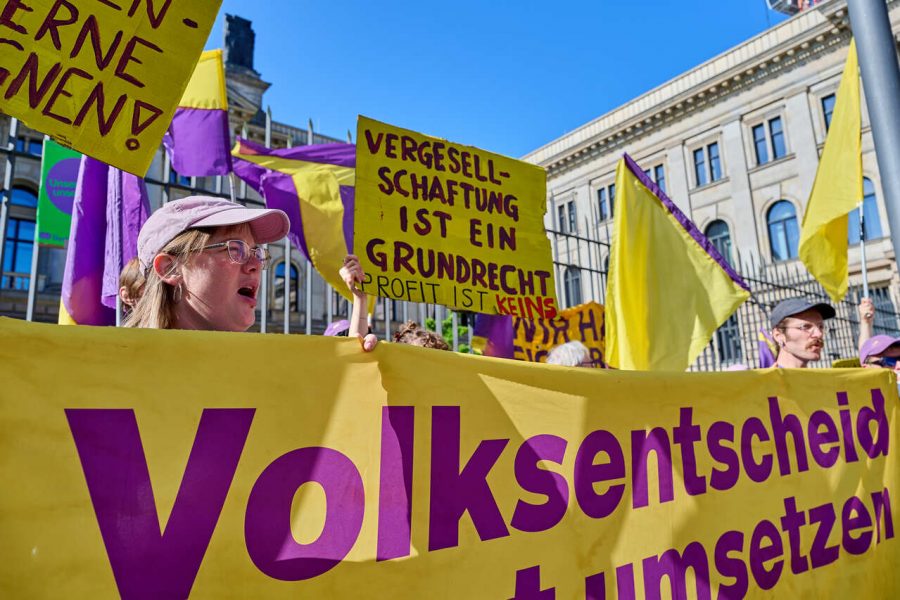
Berlin Wiki: Ways to Influence Politics in Berlin
What is a Volksentscheid? A Volksentscheid, or referendum, allows Berliners to vote directly on proposed legislation and political issues outside regular elections, or to trigger an early election. Anyone who is eligible to vote in elections to the Berlin House of Representatives (Abgeordnetenhaus) is also eligible to take part in a Volksentscheid. A Volksentscheid can only take place after a successful…
-
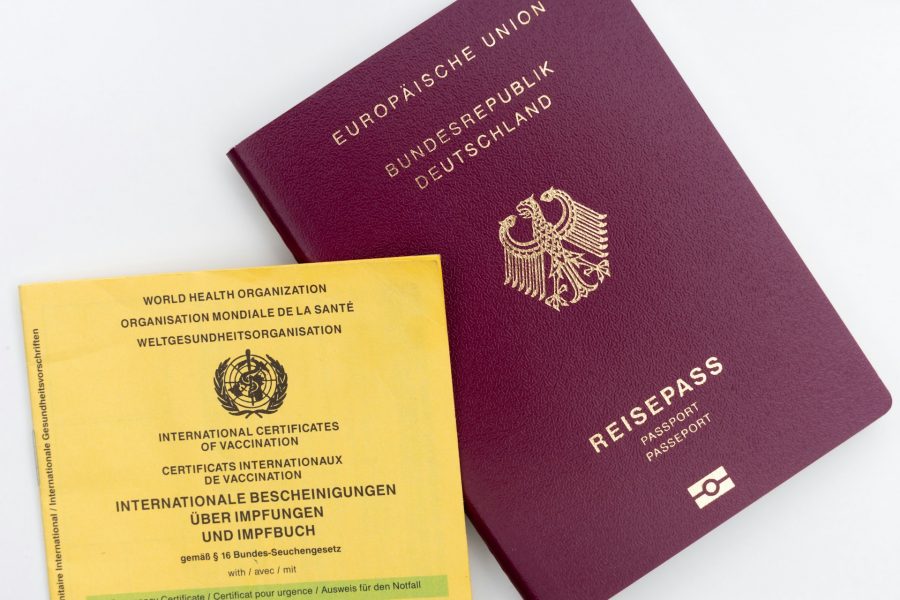
No German Passport? You May Still Have a Vote in Berlin
If you are an EU citizen living in Berlin but do not have German citizenship, you cannot vote in the election for Berlin’s House of Representatives (Abgeordnetenhaus). But you can vote for your local District Assembly (Bezirksverordnetenversammlung, or BVV) if you meet the eligibility requirements. Around 240,000 non-German EU citizens are eligible to take part in Berlin’s BVV elections on September…

WahlheYmatPost — Understand How To Berlin
Weekly guide for Berlin’s international community
Quick stories, local events, and ways to take part, right in your inbox — made with Berliner Morgenpost.
Your data matters to us — see our privacy policy.
This is a cooperation with Berliner Morgenpost. You can subscribe to their newsletters here.
