
What is a Volksentscheid?
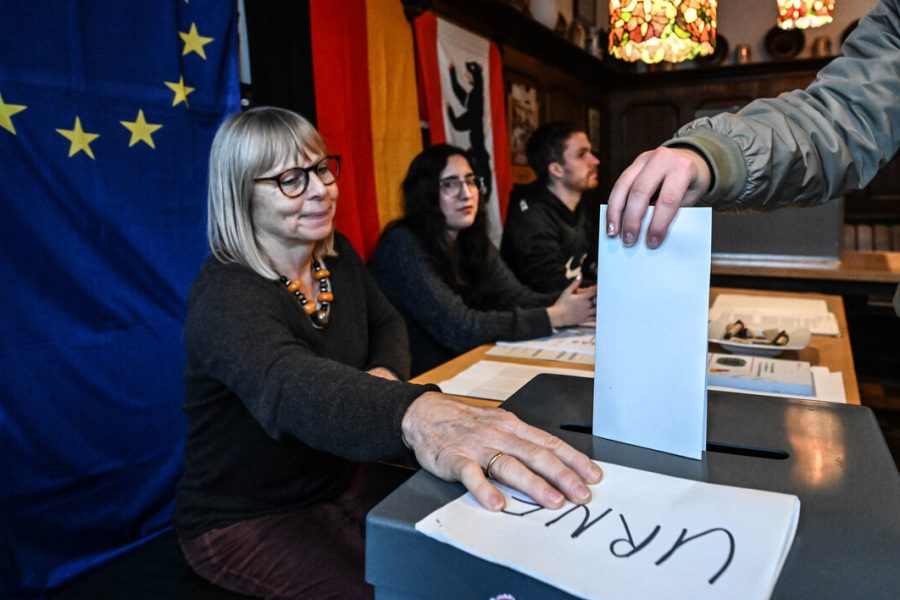
A Volksentscheid, or referendum, allows Berliners to vote directly on proposed legislation and political issues outside regular elections, or to trigger an early election. Anyone who is eligible to vote in elections to the Berlin House of Representatives (Abgeordnetenhaus) is also eligible to take part in a Volksentscheid.
A Volksentscheid can only take place after a successful Volksbegehren, which is a petition for a referendum. A proposed law or other proposal is adopted if a majority of those voting support it and at least one quarter of all eligible voters vote in favour. This currently corresponds to around 620,000 people. Higher thresholds apply to amendments to the Berlin Constitution: at least two-thirds of those voting and at least half of all eligible voters must approve the proposal – currently around 1.2 million people.
Since 2008, eight Volksentscheide have taken place in Berlin. In 2014, Berliners voted against development on Tempelhofer Feld, while in 2021 they voted in favour of bringing large housing companies into public ownership. The most recent Volksentscheid took place in 2023. The initiative to make Berlin climate-neutral by 2030 failed because only 18.2 percent of eligible voters supported it, falling short of the required 25 percent.
What is a Volksbegehren?
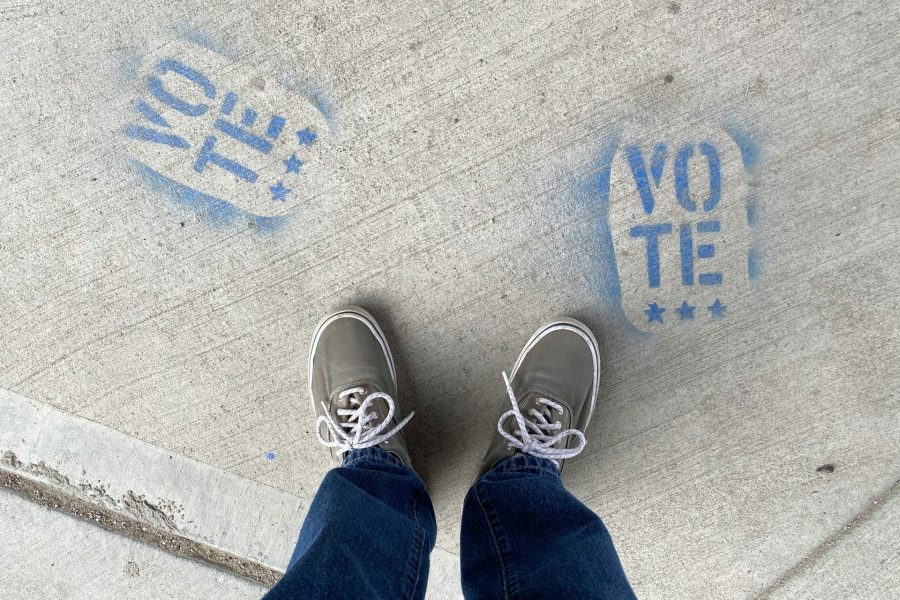
A Volksbegehren, or a petition for a referendum, allows Berliners to bring about a Volksentscheid. Anyone aged 16 or over who has had their main residence in Berlin for at least three months and holds German citizenship is eligible to take part. Through a Volksbegehren and the subsequent Volksentscheid, participants can put proposed legislation and political questions to a public vote or trigger an early election.
A Volksbegehren takes place in two stages. First, the organising body – often a citizens’ initiative or civil society organisation – must have the estimated costs of their proposal assessed and then collect signatures. A proposed law or other proposal requires 20,000 signatures, while a constitutional amendment or an initiative to trigger an early election requires 50,000.
Once the organisers have met these requirements, they can apply to the Senate Department for the Interior and Sport (Senatsverwaltung für Inneres und Sport) to formally initiate the Volksbegehren. The authorities then assess whether the application is admissible. The proposal is subsequently submitted to the Berlin House of Representatives (Abgeordnetenhaus, or AGH), which has four months to adopt it. If the AGH rejects the proposal, the organisers can request that the Volksbegehren proceed.
The second stage is the Volksbegehren itself. The organisers have four months to collect another round of signatures. The Volksbegehren is successful if at least 7 percent of eligible voters support it – currently around 170,000 people. For a constitutional amendment, signatures from at least 20 percent of eligible voters are required, currently around 490,000 people. If the required number is reached, a Volksentscheid is held.
What is a Bürgerinitiative?
A Bürgerinitiative, or citizens’ initiative, is a voluntary group of people who come together to campaign for a shared cause. These initiatives often focus on local issues. In Berlin, Bürgerinitiativen frequently form around construction projects, environmental and transport issues, or efforts to preserve public facilities.
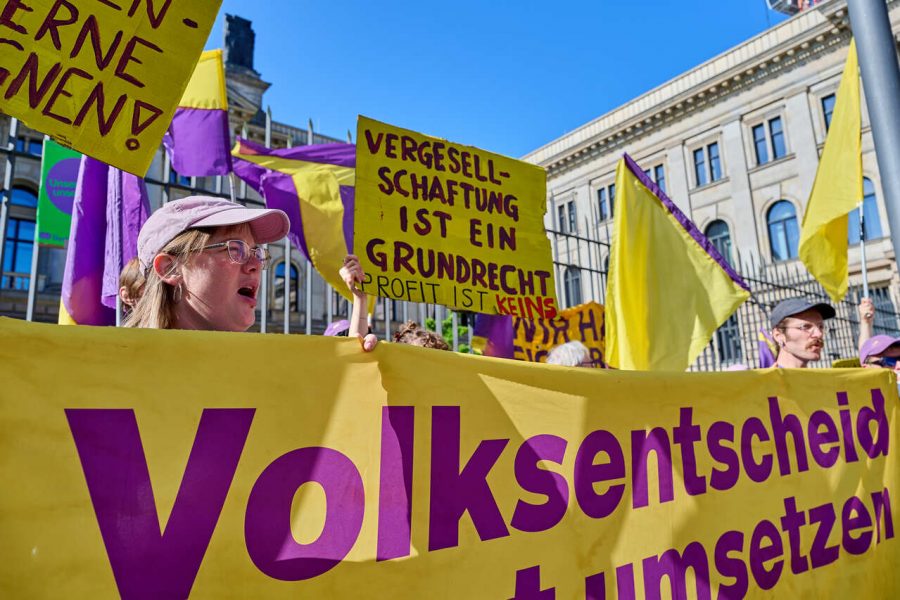
Bürgerinitiativen can take action in many different ways. For example, they may organise information events and protests or engage directly with politicians and public authorities. In some cases, a Bürgerinitiative can also develop into a Volksbegehren.
There are no formal requirements for setting up a Bürgerinitiative. It is a form of civic engagement that is, in principle, open to everyone – regardless of age, place of residence or nationality.
Here you can find the Berlin Wiki page of Berliner Morgenpost.
(Header image: © FUNKE Foto Services | Florian Boillot)