WahlheYmatPost — Understand How To Berlin
Weekly guide for Berlin’s international community
Quick stories, local events, and ways to take part, right in your inbox — made with Berliner Morgenpost.
Your data matters to us — see our privacy policy.
This is a cooperation with Berliner Morgenpost. You can subscribe to their newsletters here.

WahlheYmatPost
-

From Kyiv to Berlin: War Changed His Path, but Not His Dream
At 15, Oleksandr Drevytskyi left Kyiv with his mother and their dog Ozzy after Russia’s full-scale invasion of Ukraine. In Berlin, he found himself navigating a new language, a new school system and an uncertain future. Four years later, he is studying mathematics at Humboldt University – and helping other Ukrainians find their own way through the city. -

The Berlin Election Is Over – The Work Begins
Berlin has voted – but for WahlheYmat, the bigger question is what happens next. We look at three takeaways from the election and outline two priorities for the years ahead: bringing international Berliners’ interests onto the political agenda and building a stronger coalition for civic participation. -

Strangers by the Spree: Inside Berlin’s Outdoor Latin Dance Community
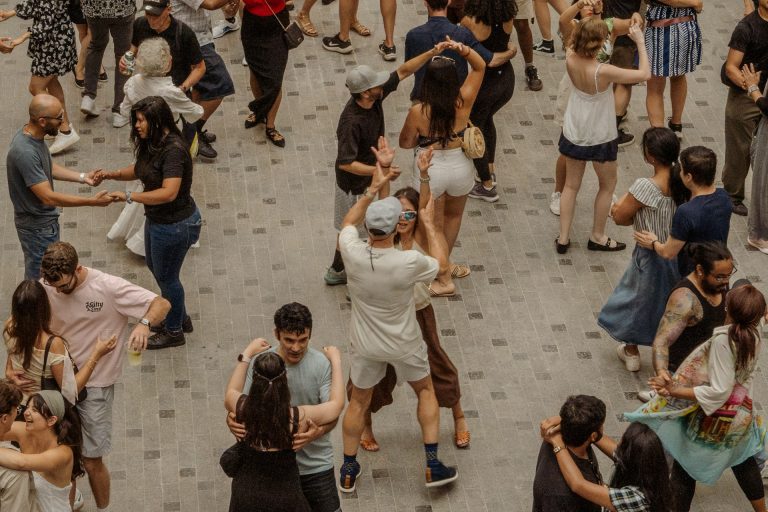
Just a few hundred metres from Berlin Central Station, strangers meet by the Spree to dance salsa and bachata together. Drawing on her own experience of joining the crowd, Borbála Hanna Dévai explores how Berlin’s outdoor Latin dance scene brings together people of different ages, backgrounds and professions. -

StimmlosTrend 2026: 96 Percent Would Vote If They Could
The final results of WahlheYmat’s StimmlosTrend are in. They show a striking willingness to participate among international Berliners without voting rights – but also widespread concern about the city’s future and a strong sense of having little influence over it. -

Who Will Lead Germany Into Its International Future?
Germany is becoming more international, while its political structures remain rooted in the nation-state. What can Charles de Gaulle’s extraordinary story teach us about leadership, persistence and the courage to rethink the status quo? -

A Mayor Tandem for Berlin
What if Berlin’s nearly one million residents without a vote had their own representative at the very top of the city? A second mayor, working alongside the elected Regierende Bürgermeister, could give international Berliners a visible voice in how the city is shaped. A radical idea? Perhaps. But in a city where roughly one in four residents cannot vote in state elections, it may be time to rethink what political representation can look like. -

No German Passport? You May Still Have a Vote in Berlin
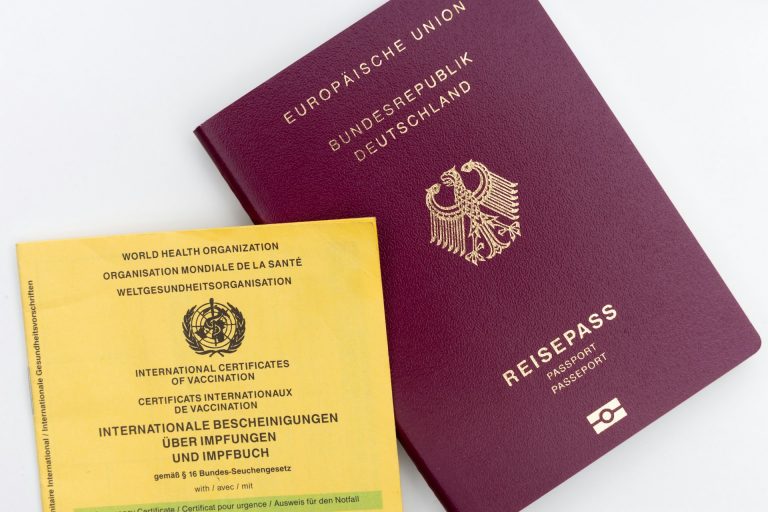
Around 240,000 non-German EU citizens are eligible to vote in Berlin’s district elections on September 20. A new series of multilingual events aims to explain how the election works – and how EU citizens can help shape the neighbourhoods they call home. -

“Berlin taught me to dislike the word integration”
Berlin was the city that changed everything for Marilena Chatziantoniou. After more than two decades working in humanitarian aid around the world, she founded Just-Go-For-It to help people recognise opportunities rather than obstacles. In this interview, she explains why she rejects the word “integration”, why community matters more than bureaucracy, and why she believes participation is something we choose every single day. -

What is Germany’s greatest asset?
Germany doesn’t need to become more German. It needs to become better at turning its greatest asset—its reputation as an open, reliable, and innovative country—into a magnet for people and ideas from around the world. -

Migrants With Degrees Are Not What Germany Is Looking For
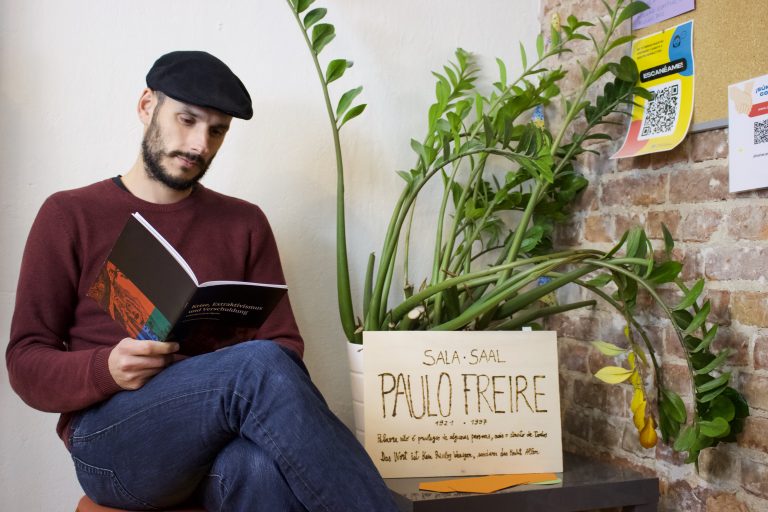
As state-funded German courses become harder to access, many migrants are left trapped between limited language skills and low-income jobs. At the Lohana Berkins Center in Berlin, Darío Farcy and his team are trying to break this cycle through free education, solidarity, and community organizing inspired by Latin American grassroots movements.