WahlheYmatPost — Understand How To Berlin
Weekly guide for Berlin’s international community
Quick stories, local events, and ways to take part, right in your inbox — made with Berliner Morgenpost.
Your data matters to us — see our privacy policy.
This is a cooperation with Berliner Morgenpost. You can subscribe to their newsletters here.

WahlheYmatPost
-

From Kyiv to Berlin: War Changed His Path, but Not His Dream
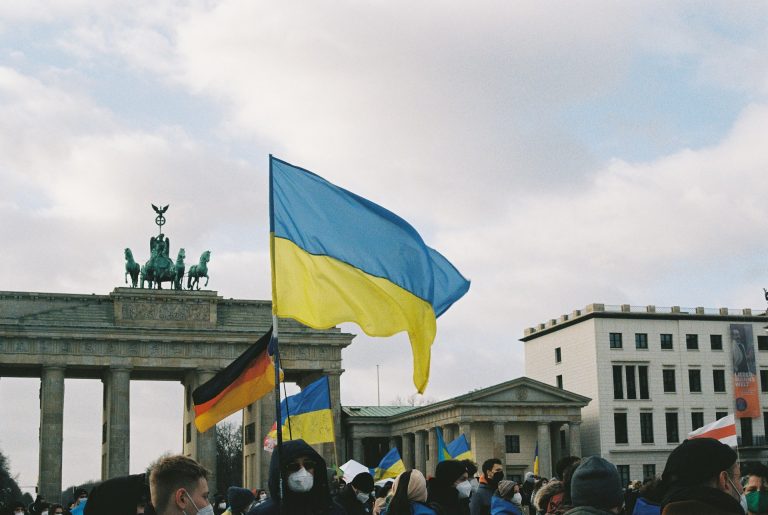
At 15, Oleksandr Drevytskyi left Kyiv with his mother and their dog Ozzy after Russia’s full-scale invasion of Ukraine. In Berlin, he found himself navigating a new language, a new school system and an uncertain future. Four years later, he is studying mathematics at Humboldt University – and helping other Ukrainians find their own way through the city. -

The Berlin Election Is Over – The Work Begins
Berlin has voted – but for WahlheYmat, the bigger question is what happens next. We look at three takeaways from the election and outline two priorities for the years ahead: bringing international Berliners’ interests onto the political agenda and building a stronger coalition for civic participation. -

Strangers by the Spree: Inside Berlin’s Outdoor Latin Dance Community
Just a few hundred metres from Berlin Central Station, strangers meet by the Spree to dance salsa and bachata together. Drawing on her own experience of joining the crowd, Borbála Hanna Dévai explores how Berlin’s outdoor Latin dance scene brings together people of different ages, backgrounds and professions. -

StimmlosTrend 2026: 96 Percent Would Vote If They Could
The final results of WahlheYmat’s StimmlosTrend are in. They show a striking willingness to participate among international Berliners without voting rights – but also widespread concern about the city’s future and a strong sense of having little influence over it. -

Who Will Lead Germany Into Its International Future?
Germany is becoming more international, while its political structures remain rooted in the nation-state. What can Charles de Gaulle’s extraordinary story teach us about leadership, persistence and the courage to rethink the status quo? -

A Mayor Tandem for Berlin
What if Berlin’s nearly one million residents without a vote had their own representative at the very top of the city? A second mayor, working alongside the elected Regierende Bürgermeister, could give international Berliners a visible voice in how the city is shaped. A radical idea? Perhaps. But in a city where roughly one in four residents cannot vote in state elections, it may be time to rethink what political representation can look like. -

No German Passport? You May Still Have a Vote in Berlin
Around 240,000 non-German EU citizens are eligible to vote in Berlin’s district elections on September 20. A new series of multilingual events aims to explain how the election works – and how EU citizens can help shape the neighbourhoods they call home. -

“Berlin taught me to dislike the word integration”
Berlin was the city that changed everything for Marilena Chatziantoniou. After more than two decades working in humanitarian aid around the world, she founded Just-Go-For-It to help people recognise opportunities rather than obstacles. In this interview, she explains why she rejects the word “integration”, why community matters more than bureaucracy, and why she believes participation is something we choose every single day. -

What is Germany’s greatest asset?
Germany doesn’t need to become more German. It needs to become better at turning its greatest asset—its reputation as an open, reliable, and innovative country—into a magnet for people and ideas from around the world. -

Migrants With Degrees Are Not What Germany Is Looking For
As state-funded German courses become harder to access, many migrants are left trapped between limited language skills and low-income jobs. At the Lohana Berkins Center in Berlin, Darío Farcy and his team are trying to break this cycle through free education, solidarity, and community organizing inspired by Latin American grassroots movements. -

“Democracy Is More Than Voting”: Sami Atris on Organising Communities in Berlin
Many Berliners feel that political decisions are made far away from their everyday reality. Sami Atris, lead organiser of the Berliner Bürgerplattformen, works to change that — by helping communities organise, build trust, and speak with a stronger voice. -

Ukrainian Voices in Berlin: “People Are Not Objects for Integration Debates”
Migration is often discussed in terms of labor, integration, and bureaucracy – but rarely as a question of rights, voice, and political participation. Oleksandra Bienert, chairwoman of the Allianz Ukrainischer Organisationen, speaks about fighting disinformation, confronting structural discrimination, and why migrant communities must be recognized as active political actors rather than the objects of integration debates. -

WahlheYmat Turns Two — And Invites You In
People who moved to Berlin from other countries are one of the largest untapped democratic potentials of the city. For two years, WahlheYmat has been working to activate that potential — and we are now inviting new members to join us. -

The Berlin Blueprint: Participation as the Ultimate Act of Self-Determination
What if wellbeing is not found in retreat, but built through action? Taylor Coburn follows Berlin’s story from the Trümmerfrauen to contemporary Kiez initiatives, arguing that self-determination — practiced collectively — has long been the city’s most powerful form of self-help. -

No Permission, More Love: Building Your Vision in Berlin Like Nalan Sipar
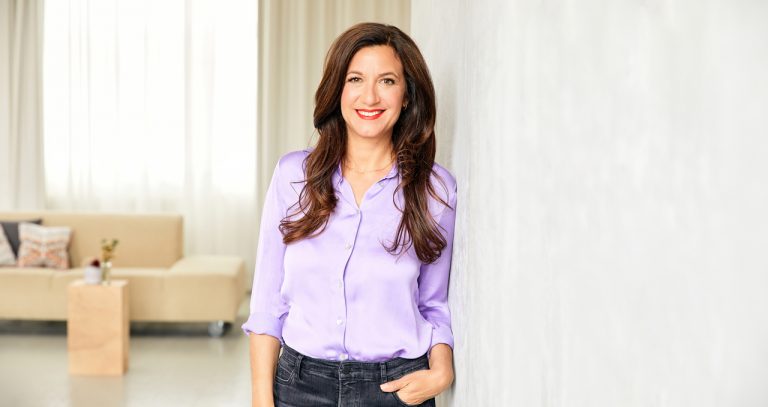
After being laughed at in pitch meetings and told her community “wasn’t the target group,” German-Kurdish journalist and news innovator, Nalan Sipar, was on the verge of shrinking herself out of existence in the German news landscape. This is the story of how she stopped seeking approval and started a revolution fueled by community service, cooking, and the radical act of being herself. -

“Discrimination is not an individual problem, but a structural one”
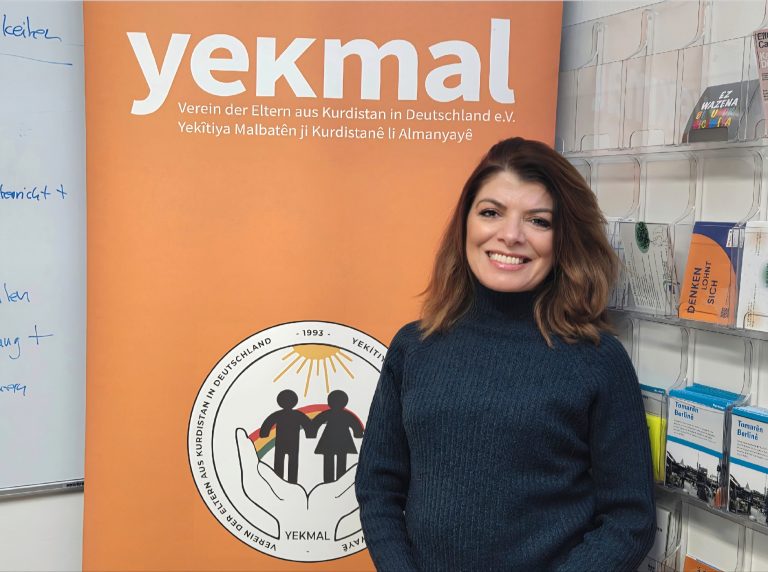
Multilingualism is not a cultural add-on, but a question of power, participation and democracy — says Remziye Uykun, Project Development and Coordination Lead of the BEFaN Network at Yekmal e.V., in an interview with WahlheYmatPost. She addresses the persistent structural discrimination faced by people with migration histories in Berlin, the marginalisation of Kurdish as a stateless language, and why sustainable, migrant-led networks and reliable funding are essential for educational justice. -

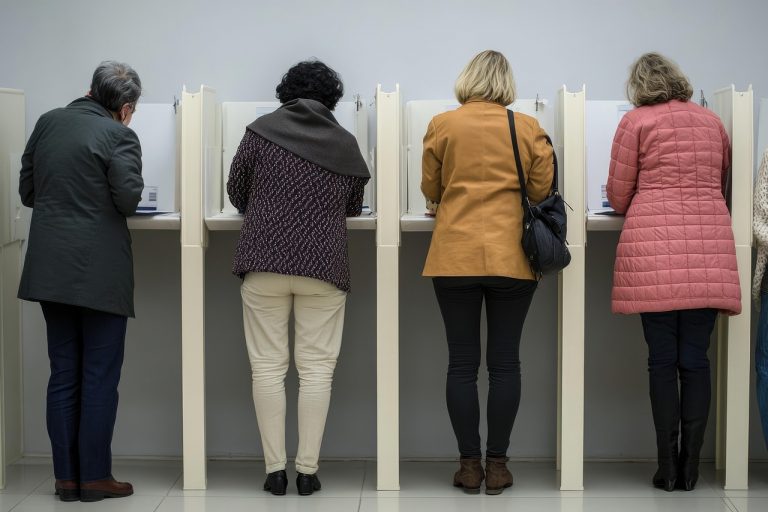
Berlin’s Silent 25 Percent
Record numbers of non-voters and growing distrust toward institutions are not abstract trends. In Berlin, they are everyday reality. Maybe it’s time to redesign participation itself. -

From Hate Brands to Love Brands: A Different Vision for Democracy
Inspired by a challenge from the GICA Impact Network and its founder Alexander Sascha Wolf, Ivan reflects on why today’s political discourse is often driven by negativity—and what it would take to build “love brands” in democratic life instead. In Berlin, he argues, the answer might lie in human connections, shared spaces, and the courage to imagine a more inclusive, collaborative society. -

Building Home in Berlin: The Inside-Out Approach with Katarina Stoltz
What if the reason Berlin doesn’t feel like home isn’t the city — but the way we’re waiting for it to change us? Holistic Life Coach and Gestalt therapist Katarina Stoltz explains why feeling rooted starts within, how everyday relationships create belonging, and why “temporary thinking” keeps so many internationals stuck. -

35 Years of Integration Work: CLUB DIALOG and the Power of Community Networks
Successful integration in Berlin depends on long-term community work and strong migrant-led networks – says Dr. Natalia Roesler, Managing Director of CLUB DIALOG e.V. She talks about the persistent challenges faced by people with migration backgrounds in Berlin and the organisation’s decades-long work with Russian-speaking and Eastern European communities. An interview. -

Nebenkostenabrechnung: The Reckoning No One Explains
This time, Walter Phippeny takes a hard look at Nebenkostenabrechnung — the annual German bill that can quietly drain your account if you don’t see it coming. It’s a system built on yearly accounting, and one that catches many internationals completely unprepared. -

Rising Ukrainian Engagement Powers Berlin’s Civic Scene
Ukrainian refugees are among the most active civic actors in Berlin today. Svoji.de responds to a structural gap with one shared platform that makes initiatives visible and strengthens civic engagement. In our interview, Tetyana Lavuta, founder and author of Svoji.de, explains how visibility, counseling, and access to rights come together to turn information into participation.