WahlheYmatPost — Understand How To Berlin
Weekly guide for Berlin’s international community
Quick stories, local events, and ways to take part, right in your inbox — made with Berliner Morgenpost.
Your data matters to us — see our privacy policy.
This is a cooperation with Berliner Morgenpost. You can subscribe to their newsletters here.

WahlheYmatPost
-

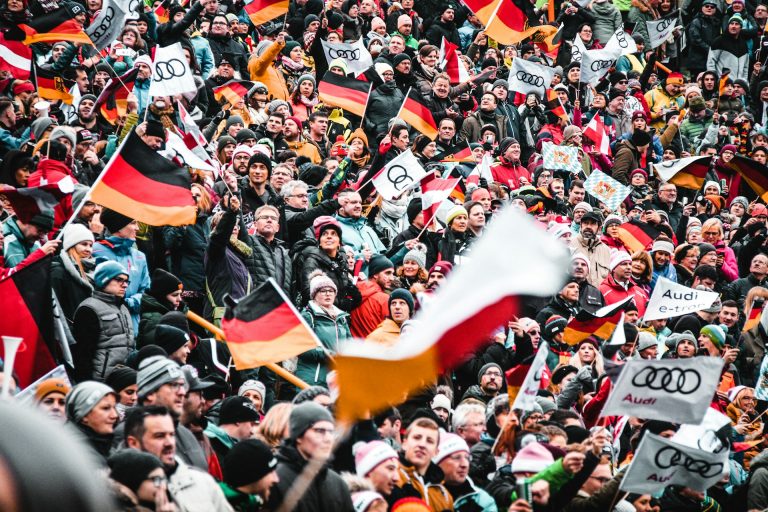
Social Psychologist Ulrich Wagner on How Fear and Prejudice Fuel the Far Right
Why do we so easily divide people into “us” and “them” – and when does this natural tendency turn into prejudice, discrimination and hostility? In an interview with WahlheYmatPost, social psychologist Prof. Dr. Ulrich Wagner explains how feelings of threat can be politically exploited, why simple solutions are so appealing in uncertain times, and how contact between different groups can help counter polarization. -

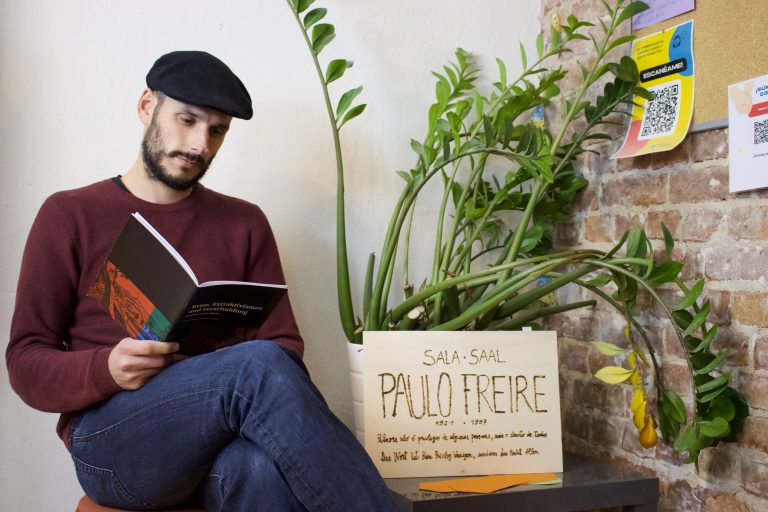
From Distrust to Dialogue: Why We Need to Meet
Political trust is not just about voting rights. It is also about feeling heard, respected and recognised as part of society. Ivan Gabor argues that rebuilding trust requires more than political promises – it starts with conversations between people who might otherwise never meet. -

The Participation Paradox: Why Political Trust Doesn’t Always Translate Into Votes
Immigrants often arrive with greater trust in democratic institutions than the native-born population. But that trust does not necessarily translate into political participation – and over time, it tends to decline. New European research raises an important question for Berlin, where hundreds of thousands of residents could not vote in the recent state election at all. -

We talk a lot. But what do we actually do?
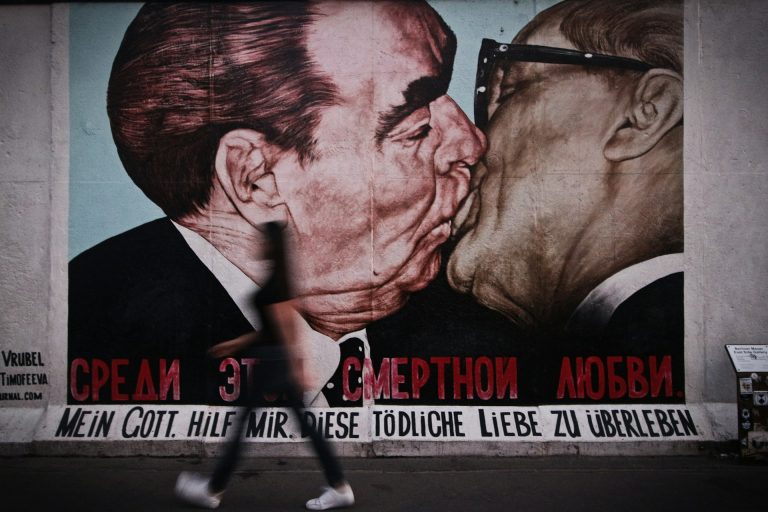
We vote, governments govern, and we expect politics to solve our problems. But what if democracy needs more from us? Drawing lessons from Taiwan and Berlin 1989, Ivan Gabor asks how civic movements can reclaim the power to shape society – instead of waiting for someone else to do it. -

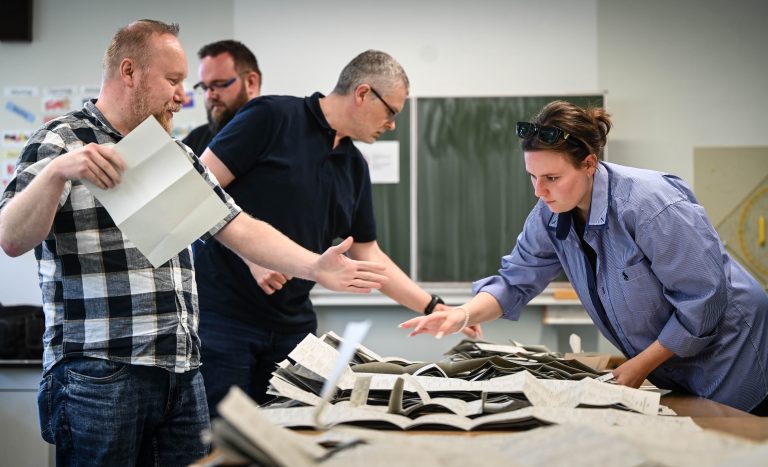
Democracy at the Späti: What Berlin’s Symbolic Election Revealed
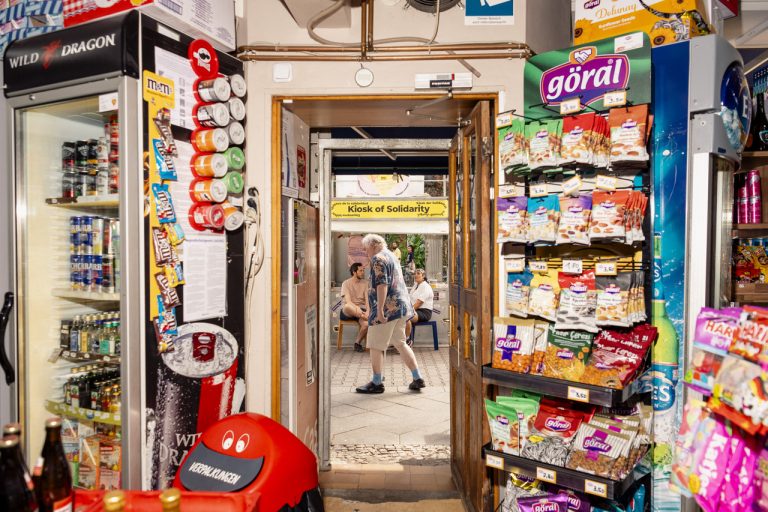
What happens when voting moves out of polling stations and into Berlin’s neighbourhood Spätis? This summer, the Migrationsrat Berlin held symbolic elections across the city to give people without voting rights a space to make their voices heard – and to start conversations about political participation, exclusion and democracy. WahlheYmatPost spoke with Mallika Basu and Maria Vittoria Celardo about what they learned from the experiment, the conversations that surprised them and why they believe voting rights in Germany need to change. -

From Kyiv to Berlin: War Changed His Path, but Not His Dream
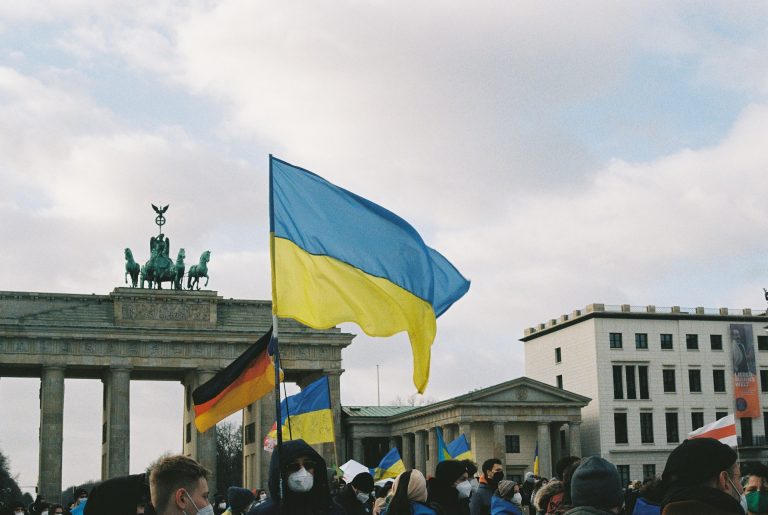
At 15, Oleksandr Drevytskyi left Kyiv with his mother and their dog Ozzy after Russia’s full-scale invasion of Ukraine. In Berlin, he found himself navigating a new language, a new school system and an uncertain future. Four years later, he is studying mathematics at Humboldt University – and helping other Ukrainians find their own way through the city. -

Strangers by the Spree: Inside Berlin’s Outdoor Latin Dance Community
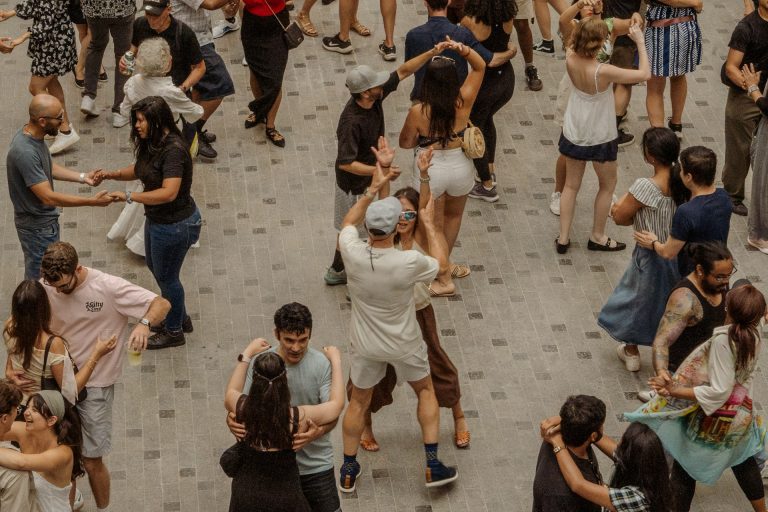
Just a few hundred metres from Berlin Central Station, strangers meet by the Spree to dance salsa and bachata together. Drawing on her own experience of joining the crowd, Borbála Hanna Dévai explores how Berlin’s outdoor Latin dance scene brings together people of different ages, backgrounds and professions. -

StimmlosTrend 2026: 96 Percent Would Vote If They Could
The final results of WahlheYmat’s StimmlosTrend are in. They show a striking willingness to participate among international Berliners without voting rights – but also widespread concern about the city’s future and a strong sense of having little influence over it. -

A Mayor Tandem for Berlin
What if Berlin’s nearly one million residents without a vote had their own representative at the very top of the city? A second mayor, working alongside the elected Regierende Bürgermeister, could give international Berliners a visible voice in how the city is shaped. A radical idea? Perhaps. But in a city where roughly one in four residents cannot vote in state elections, it may be time to rethink what political representation can look like. -

No German Passport? You May Still Have a Vote in Berlin
Around 240,000 non-German EU citizens are eligible to vote in Berlin’s district elections on September 20. A new series of multilingual events aims to explain how the election works – and how EU citizens can help shape the neighbourhoods they call home. -

“Berlin taught me to dislike the word integration”
Berlin was the city that changed everything for Marilena Chatziantoniou. After more than two decades working in humanitarian aid around the world, she founded Just-Go-For-It to help people recognise opportunities rather than obstacles. In this interview, she explains why she rejects the word “integration”, why community matters more than bureaucracy, and why she believes participation is something we choose every single day. -

What is Germany’s greatest asset?
Germany doesn’t need to become more German. It needs to become better at turning its greatest asset—its reputation as an open, reliable, and innovative country—into a magnet for people and ideas from around the world. -

Migrants With Degrees Are Not What Germany Is Looking For
As state-funded German courses become harder to access, many migrants are left trapped between limited language skills and low-income jobs. At the Lohana Berkins Center in Berlin, Darío Farcy and his team are trying to break this cycle through free education, solidarity, and community organizing inspired by Latin American grassroots movements. -

Berlin Wiki: How Do the First and Second Vote Work?
In the next part of our Berlin Wiki series, we explain how Germany’s first and second vote system works and how voters influence both candidates and the balance of power in parliament. -

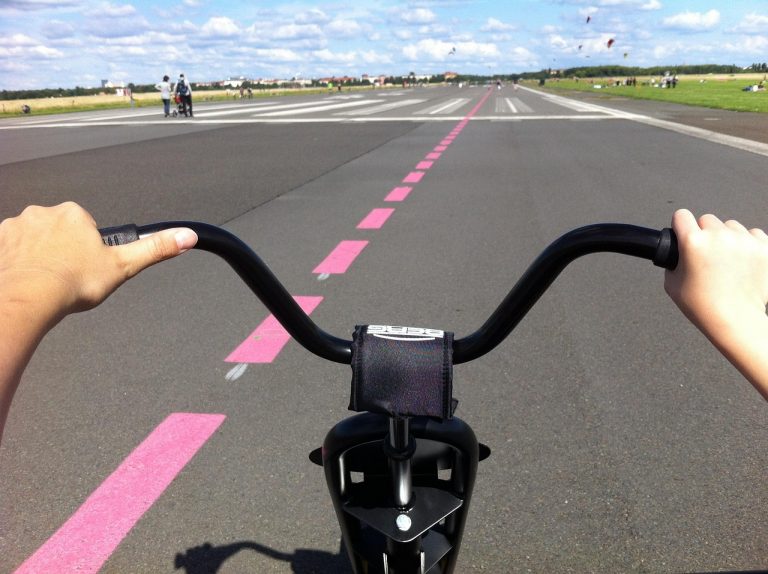
Tempelhofer Feld: Berlin’s Most Emotional Urban Conflict Is Back
A heated argument during a live podcast recording in Neukölln revealed just how deeply Berliners care about the future of Tempelhofer Feld. While some see new housing opportunities, others fear the privatization of public space and the erosion of democratic decisions. Walter Phippeny reflects on the conflict in his latest commentary. -

Berlin Wiki: Parties, Direct Mandates and the Five-Percent Threshold
In the latest edition of our Berlin Wiki series, we take a closer look at how political parties work in Germany and how candidates enter parliament. We explain key concepts such as party lists, direct mandates and the five-percent threshold ahead of the Berlin elections. -

Good Intentions Are Not Democratic Enough
Political and social decisions are still too often made over the heads of those affected — especially when marginalised groups are not given a seat at the table. At SAP’s Diversity Day, participants discussed why genuine participation is essential to a vibrant democracy and why Germany is facing a growing crisis of democratic legitimacy. -

What Happened When I Tried to Organize My Neighbors
Building community sounds beautiful in theory. In practice, it can mean ignored messages, cultural misunderstandings, scheduling chaos, and someone literally ripping your flyer apart. Walter Phippeny writes about the fragile process of neighbor organizing and human connection in Berlin. -

Berlin Wiki: Who Is Allowed to Vote – and Why Not Everyone Can
In the latest part of Berlin Wiki, we explore the question of who is allowed to vote in Germany – and why not everyone can. The article looks at active and passive voting rights, the importance of citizenship, and the requirements for political participation. It explains the rules that apply to federal, European, and Berlin state elections and why voting eligibility plays a central role in every democracy. -

Berlin Wiki: Party Profiles II – The Greens, The Left, the AfD and the BSW party
Which parties shape Berlin politics—and what do they actually stand for? In this edition of “Berlin Wiki,” we take a look at Bündnis 90/Die Grünen, Die Linke, and the AfD: their key issues, their central figures, and their role in the House of Representatives ahead of the 2026 election. -

Berlin Wiki: Party Profiles I — Which Parties Shape the Capital?
As the 2026 House of Representatives election approaches, Berlin’s party landscape is coming into focus. But who are the key players—and what role do the CDU and SPD currently play? This week, we take a closer look at the parties shaping politics in the capital. -

The Good, the Bad, and the Arbeitsamt
Losing a job in Germany can quickly turn into a maze of paperwork, visa concerns, and bureaucratic confusion — but there are also opportunities hidden inside the system. Walter Phippeny explores the realities of the Arbeitsamt, unemployment benefits, Ausbildung programs, and the pitfalls foreigners should avoid. “Good luck out there — we’re all in this together.” -

Home Is Not a Place: A Berlin Exhibition Rethinks Migration
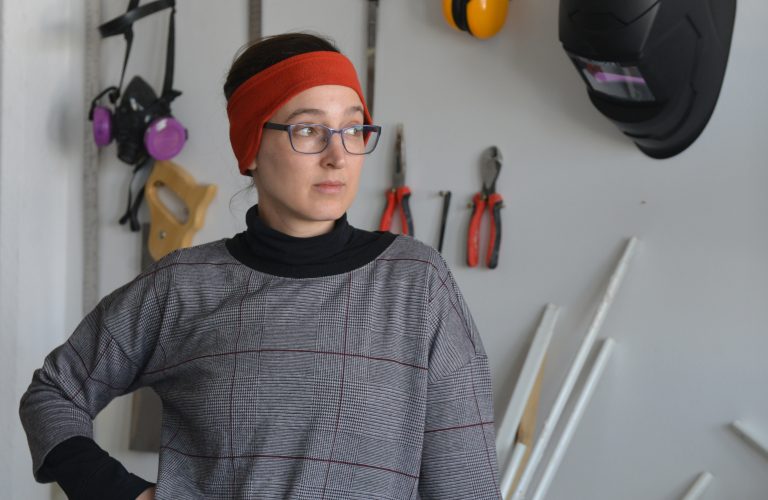
What does it really mean to leave a place behind? Migration is often reduced to politics, paperwork and statistics—but in reality, it is a deeply personal process of losing, carrying and reshaping pieces of one’s identity. In her latest installation, Berlin-based artist Noa Heyne explores how memory, space and belonging collide when we move between worlds. -

Berlin Wiki: Your Guide to the 2026 Berlin Election
On September 20, 2026, Berlin will elect a new House of Representatives and its district assemblies—but what does that actually mean, who gets to vote, and how do these decisions shape the city? Together with Berliner Morgenpost, we are launching “Berlin Wiki,” a series that breaks down the basics of Berlin’s electoral system in a clear and accessible way. -

“Das Volk” in 2026: Time to Redefine the People
What does it mean to belong to a society if you have no say in shaping it? As Germany debates its identity as a diverse nation, the question of voting rights exposes a growing gap between reality and political structures.