
There’s a lot of talk today about building community. At our March WahlheYmat Talk, the crowd brought up the subject, specifically that we should be creating more of it. Ideas flew around the room. We are living in an era of schism, where the people pulling the levers of power are trying to create an “us and them” narrative, defining who is in and who is out. Not really anything new here, except that we’ve added a tricky twist: criticizing your own camp or dialogue between the rival camps is no longer possible.
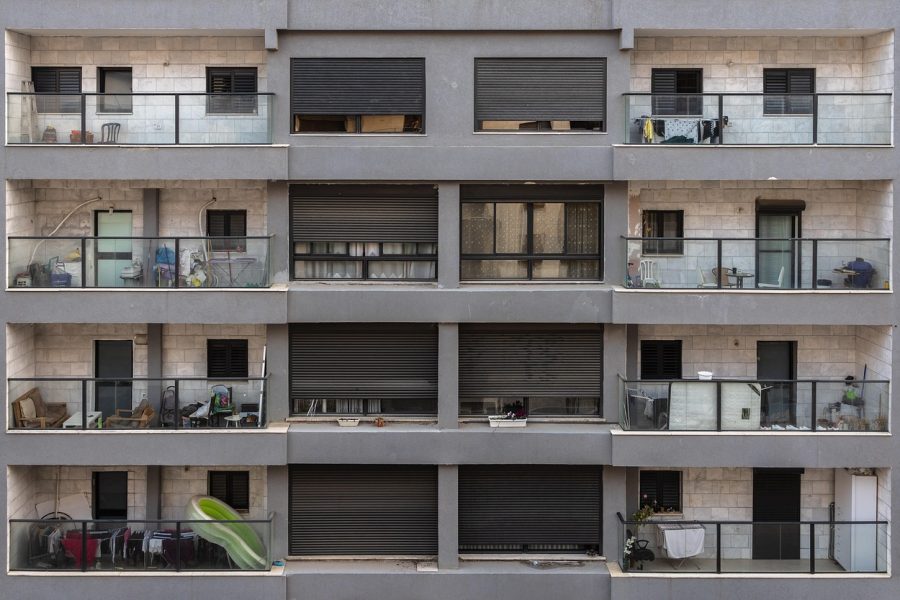
I reject this idea and, since 2024, I’ve been devoting my time to things like Wahlheymat or Hejmo (formerly Give Something back to Berlin) with the motto: creating community is paramount. And then, back in the summer of 2025, after hearing folks on the Left banging the drum of “organize, organize, organize”, I thought, “what if I organized where I live? What if I organized my neighbors in my apartment building into a neighbor association? I would get to know the people in my building – this thing that people love to say doesn’t happen in Berlin – and we could get together once a month, or help each other out when crisis strikes. Wouldn’t that be cool? Also, I wouldn’t have to go across town for meetings and events, it would be right in front of my door.” So, I set out to do just that. Let me tell you what happened. Also, to give my neighbors privacy, I won’t be mentioning names, or the address of my apartment building.
The letter
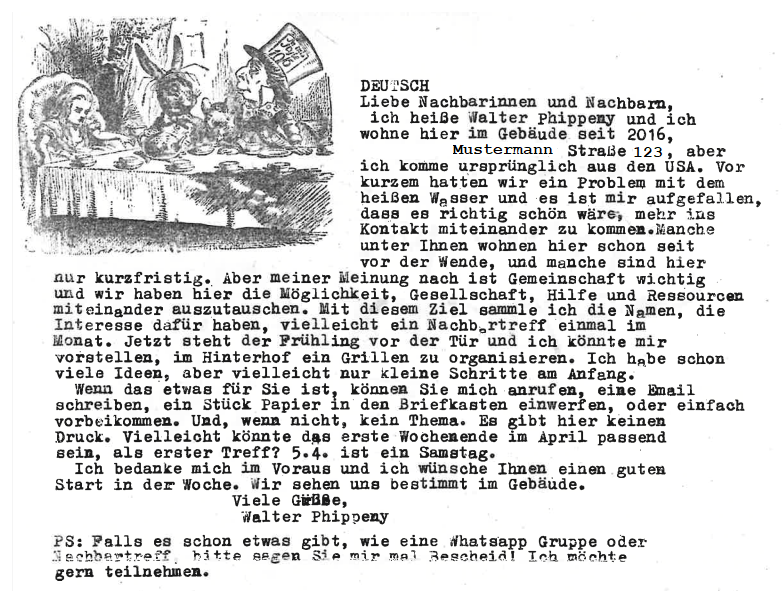
First, I had to get the word out. I drafted up a letter and wrote it in German, English, and French (the French bit pretty much said, “you probably already speak German, or English or both, but, if you speak French, let’s hang out because I don’t get to speak that language very often). I tried to make it fun, low-key, and engaging; and I used a recent problem with the hot water in the building as a jumping-off point: “We just went through this thing where none of us had hot water for a few days. Wouldn’t it be cool if we talked to each other to find out what was going on?”
I passed the German part around to my German friends for editing and they gave me some tips. I slapped the whole thing together and made 42 copies for the 42 mailboxes in the building and then passed them out. Within less than a few hours I found one of the flyers ripped to pieces and thrown into the garbage can next to the mailboxes for junkmail. Not a great start.
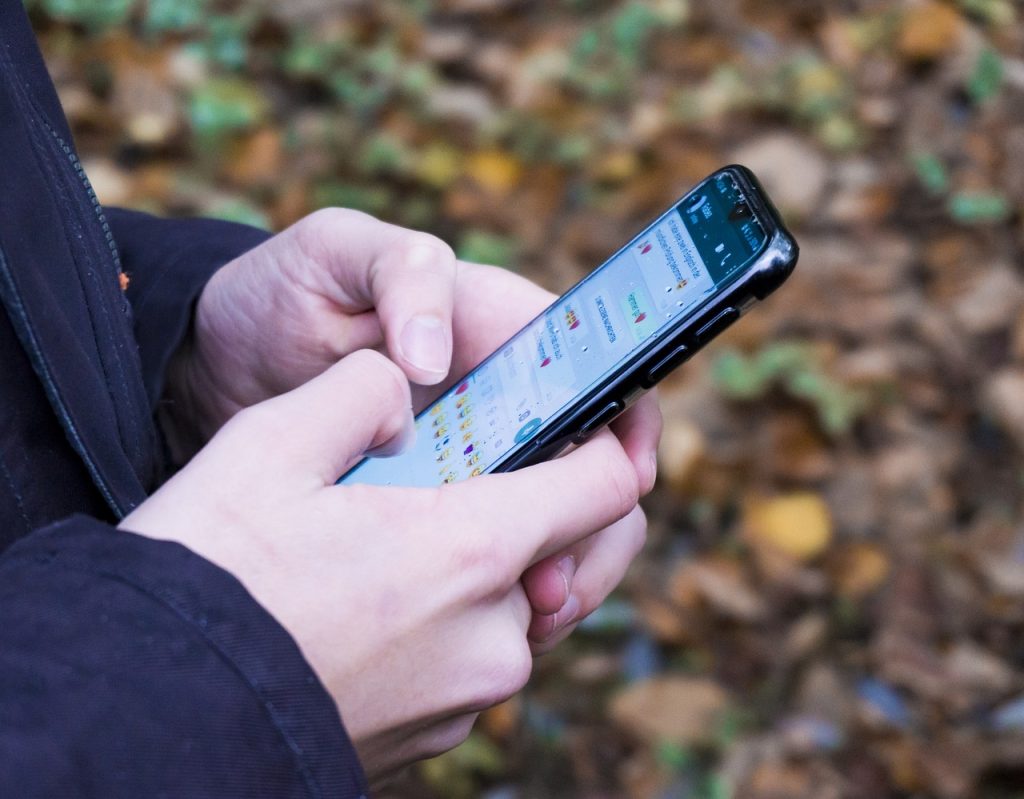
After a few days I started to get some messages over WhatsApp. There were some neighbors that very much liked the idea. I put together a WhatsApp group for the building and started getting people involved. I met more of my neighbors and the first problem hit: the language barrier. Some people in my building don’t speak any German, or very little; others aren’t comfortable in English at all. I have one neighbor who has lived here with her family since before reunification – very sweet and friendly – who said, “I like what you’re doing, but once I see English, I’m out. I just can’t deal with it.” Slowly, though, we formed a core group. We started floating the idea of having a neighbor meet-and-greet in a nearby park. But finding a date that would work became a problem that stretched through the summer.
Comedy of errors
One night I had a friend over and one of the neighbors; we were going to have a movie night. I was getting everything set up when I had a knock on the door. A neighbor from two floors down who was in a sublet had water coming through her ceiling. She was frantic. What followed was the usual comedy of errors. No one would answer the door at the apartment where the water was most likely coming from. We ended up calling the fire department who brought the police along.
They said that breaking the door down would cost thousands of euros, so they opted to shut the water off to our part of the building. There was so much noise and carrying on that I got to meet some more folks in my stairwell, including another friendly woman who said, “You’re the one who wrote the letter? Oh, I liked that very much, but I won’t have anything to do with WhatsApp. But DO let me know if you put something together.”
I felt bad leaving my friend and my neighbor in my apartment while all of this was going on, but they actually got on like a house on fire; they’re both huge cinema freaks and love collecting physical media. While I was trying to put out the opposite of a fire, what with all the wet stuff, these two were happily chatting away and having a lovely evening. Eventually, the subletter of the apartment where the water was coming from showed up. Her laundry machine had malfunctioned while she was at a concert. I was there when they finally opened the door, and the place was flooded. Yet another reason why you need homeowner’s insurance, friends.
We finally settled on a date for that meet and greet, but then had to cancel at the last minute due to a storm that came out of nowhere. Instead of putting flyers in the mailboxes, I just put up three at the bottom of the three stairwells in the building, near the mailboxes. One of those flyers didn’t last a full 24 hours. When I walked past the next day on the way to the garbage area, it had been torn down. We finally did have our meet and greet a month or so later, and about five people showed up. As of yet, I haven’t tried again, though I’m thinking about making another attempt soon.
Little experiment with people
The neighbor WhatsApp group is still going with about 16 or so apartments represented, but folks aren’t as excited about it as they were in the beginning and posts are rare. For one, I don’t want to flood the group with too much chit-chat for fear that people will get annoyed and leave the group. And in a little side story, a few months ago – about a year after I initially stuffed those boxes with the first flyer – I took a package for a neighbor. When she came around to collect it, she asked, “Are you the one that sent out that letter?” I said that I was, and she added that she loved the idea and gave me a handwritten note with her phone number on it. She had intended to leave it on my door, in the event I wasn’t home.
I used to carry a copy of the flyer around with me and do this little experiment with people I met. I would hand them the folded letter as it would have been found in the mailbox and then I would say, “Imagine that you came home and found this in your mailbox. What would you do?”
It was very fascinating to watch people react. Some would never bother opening it to read the actual message; they would just hand it back still folded and shrug their shoulders. Some might read the text and say, “Interesting idea, but it’ll never work in Berlin.” Some were curious: “Let me know how it turns out.” Some said flat out that it was stupid and that they would throw it away immediately.
The reality of building community
To be honest, I had fairytale dreams of the neighbors coming together, spending time with each other; maybe we would have movie nights, or cookouts, or board game nights. We would all sing Kumbaya and unite against those lever-pulling, power-hungry apes. The reality of building community is so much messier than that.
With the torn-up flyer, I realized that some people were really angry at the idea and found it offensive somehow. With the language issue, it hit home that these can be hard situations to navigate. There’s goodwill there, but it’s uncomfortable to be thrown into a situation where you’re interacting in a language you’re not at ease in. I obviously signed up for that by moving to Berlin, but some folks who were born and raised here didn’t, and you have to be okay with that.
I also realized that we’re trained to just ignore a lot; the city is constantly throwing things at you, and it’s even worse in the attention economy where eyeballs equal money. There’s so much stimulus that we tend to pare things down and tune things out. Of the 42 letters I put out, I’m sure that only a small fraction actually got read; most of them were probably thrown away as just more junk mail. So there are lots of jagged edges here that you can get caught on, that will put an end to your fairytale. But…
Ende gut, alles gut
Those two guys I had over for the movie night before the water disaster struck — well, that neighbor who I met with my goofy letter and the other guy who I met at a comic shop around the corner from my apartment, they’re some of my best friends in Berlin right now. We get together just about every other weekend to watch movies and then talk about them. Just last Sunday we watched the film “Absolute Giganten” and then talked about it until just past midnight. We also have a WhatsApp group that’s just the three of us, and it gets daily use. We had a grill evening on my balcony a few weekends ago; and I’m sure we’ll have more before the summer is over.
We talk about building community, especially the folks who are interested in WahlheYmat. But it’s really hard work that requires patience, empathy, and plenty of time to grow. So let’s face this kind of project with the understanding that getting strangers to stop being strangers is difficult. Some people, like Mr. Flyer Ripper, are never going to come around.
But there are real rewards in it too. I know most of my neighbors in my stairwell now. If something went wrong in my apartment and I wasn’t there, two of those neighbors have my direct number, and then there’s always the WhatsApp group itself. The hard parts make the good parts worth it. As the world continues to get unhinged, we will need each other more and more. We’re all in this together, regardless of what culture you’re from or what language you prefer.