
What Happens on Election Day?
Election day is when eligible voters in a democracy are called on to cast their ballots.
Voting and Counting the Votes
In Germany, elections must be held on a Sunday or a public holiday. Polling stations are generally open from 8 a.m. to 6 p.m. They are often located in schools, sports halls or town halls. The address of each voter’s assigned polling station is stated on the voter notification sent to all eligible voters by post.
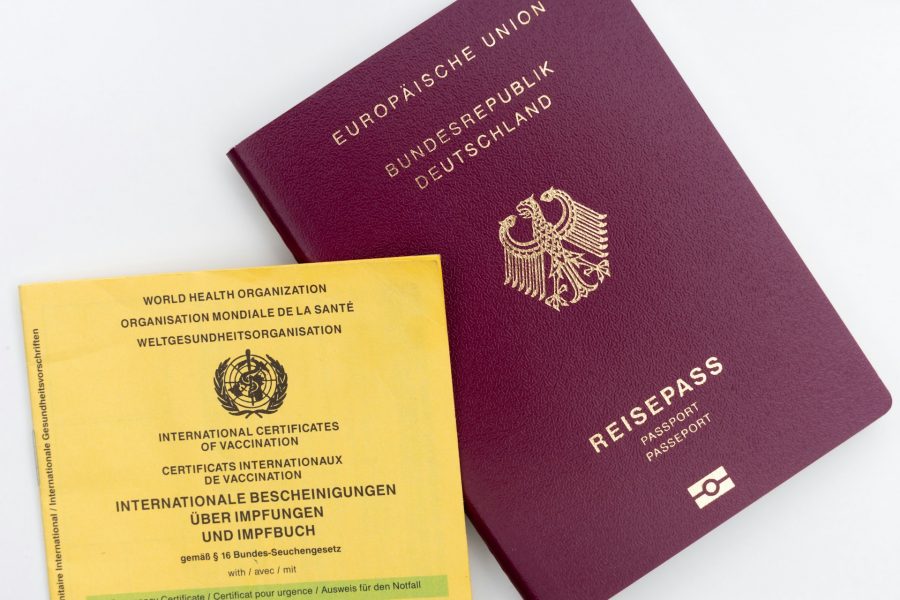
At the polling station, volunteer election workers use lists of names to check whether the people present are eligible to vote. Voters must present an identity card or passport. They should also bring their voter notification, although they can vote without it if they are listed in the electoral register.
Election Results and Government Formation
After the polling stations have closed, election workers count the votes. Forecasts are also released at 6 p.m. These are based on exit polls, in which voters are asked after leaving selected polling stations how they voted. A little later, more precise projections are announced before the preliminary official result is eventually published late in the evening or the following morning. It is then clear how many votes each party has received.
However, the result does not yet tell the public which government will ultimately be formed. Often, two or more parties must join together in a coalition in order to achieve a governing majority.
What Should You Keep in Mind When Casting Your Vote?
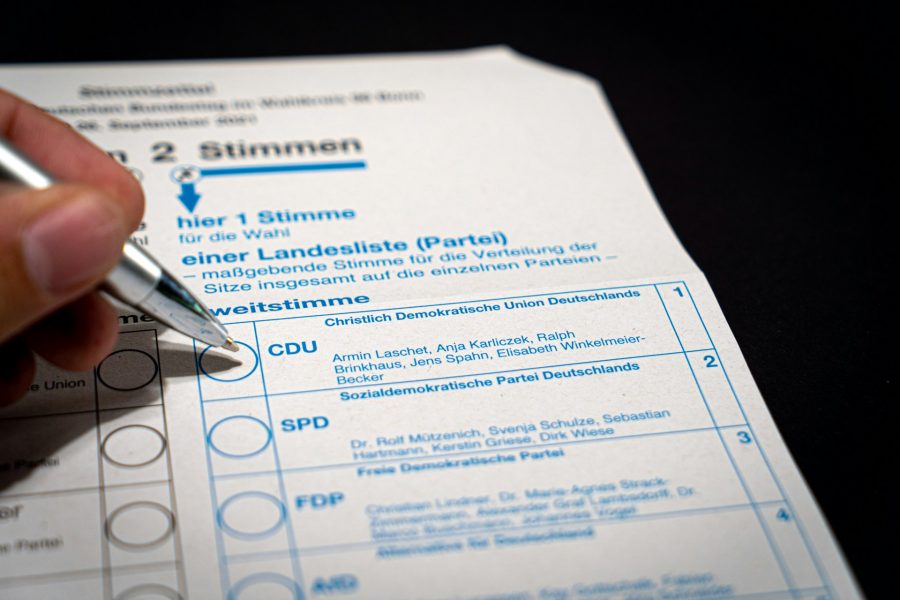
The voter casts their vote on the ballot paper according to certain rules. If these are not followed, the vote cannot be counted.
The voter’s intention must be clearly recognisable. As a rule, it is irrelevant whether they use a cross, a check mark or a dot. If the mark falls slightly outside the designated area, the vote may still be counted. The basic rule is: the voter’s intention must be clear.
Voters must not cast more votes than allowed. Notes, comments, smileys or drawings are not permitted and will invalidate the ballot paper. Voting is anonymous. Any comments that could reveal the voter’s identity are not permitted.
Any unconstitutional symbols and declarations of political ideologies will also invalidate the ballot.
How Does Berlin’s House of Representatives Election Work?
A state parliament is the parliament of one of Germany’s federal states. Its role is comparable to that of the German Bundestag, except that its responsibilities are limited to the respective federal state. State elections work similarly throughout Germany, although some details vary between states. In Berlin, for example, the state election is called the House of Representatives election (Abgeordnetenhauswahl); in Hamburg, it is called the Bürgerschaftswahl. In every state election, the campaign begins months in advance. Political parties develop election manifestos, organise events and put up their election posters.
For voters, a state election begins when they receive their voter notification. Citizens receive this voter notification by post. It states when the election will take place, which polling station they have been assigned to and how they can apply for postal voting. Their assigned polling station is determined by their registered address.
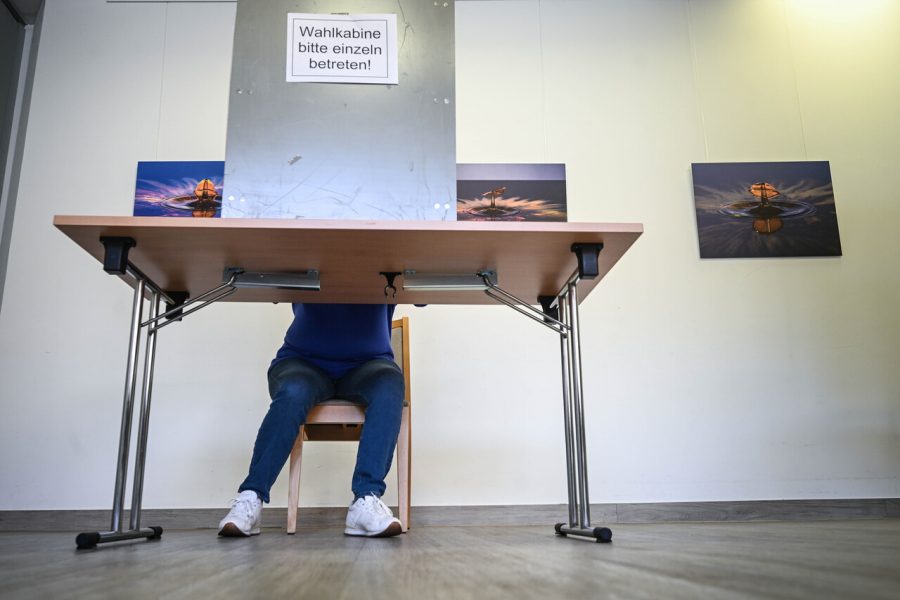
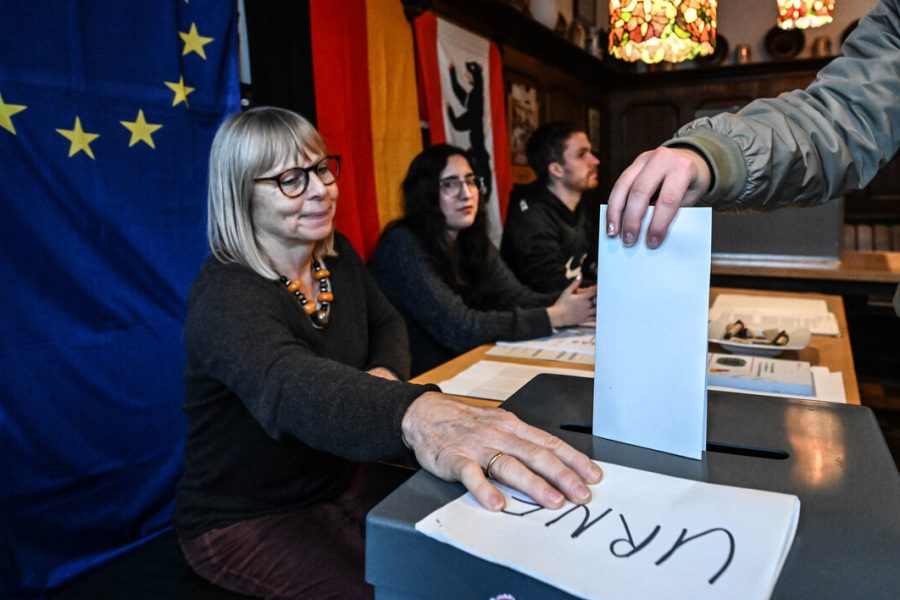
Polling stations are housed in public buildings such as schools or town halls. On election day, voters go to their assigned polling station. It is important to bring an identity card or passport. Eligible voters receive a ballot paper from the election workers at the polling station. After marking it in the polling booth, the paper is placed in the ballot box. As a rule, voters must enter the polling booth alone; those who need assistance may be accompanied by a helper. Any attempt by a third party to influence a voter’s choice inside the polling booth is prohibited.
Voters who cannot attend in person on election day can apply for postal voting. Citizens can apply for a postal vote either online or in writing. Postal voters are responsible for maintaining the secrecy and freedom of their own vote. Voting by post gives eligible voters the opportunity to participate, even if they cannot be present on election day itself. The votes cast at polling stations and by postal vote are collected and counted. The final election results are officially announced approximately six weeks after the election.
(Header image: © Reto Klar | FUNKE Foto Services)