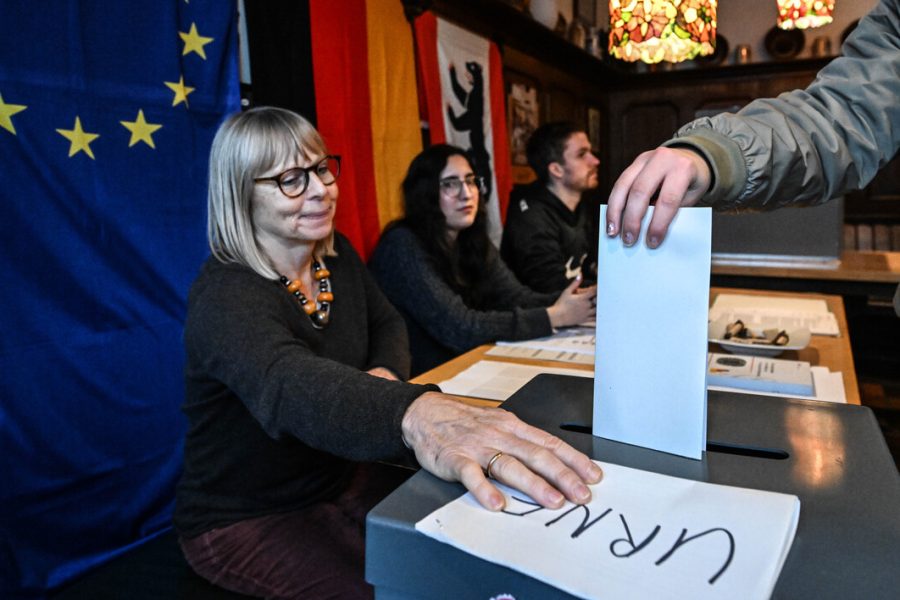

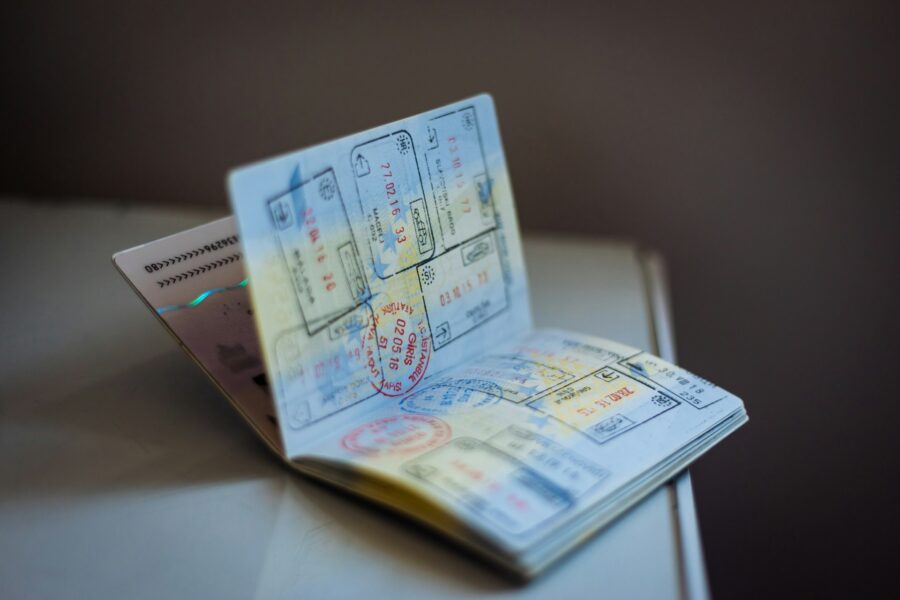
“Voting rights for foreigners? No problem: just get German citizenship!” – this is the standard response we often hear from people and political parties when the question of extending voting rights to non-citizens comes up.
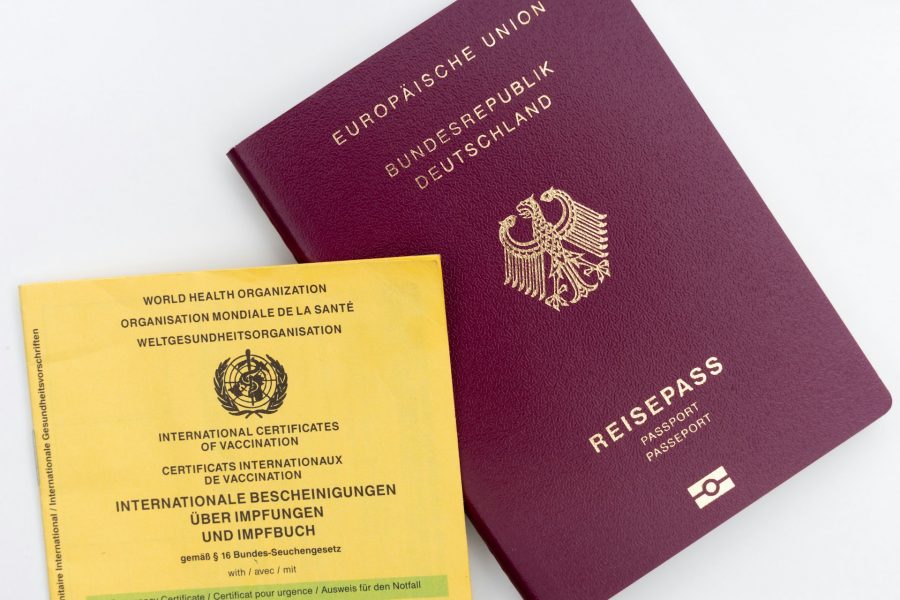
Getting citizenship is not that difficult, they say. Just live here for more than five years, get a B1 German certificate, prove that you can support yourself financially, pass a test on German society and its legal system, and declare your commitment to the country.
Germany’s rich history offers a rather extraordinary example of how citizenship can open the door to political power.
There was a man who came to Germany as a foreigner. He spoke the language of Goethe and Schiller – thanks to his Austrian parents. He was fascinated by German culture, especially music. He even adored Wagner. He was deeply involved in political life and became the leader of a far-right, racist political party. Despite his clashes with the law, including a conviction for high treason, he was determined to become a German citizen.
He even renounced his original citizenship.
For almost seven years, he lived as a stateless person. Several attempts to obtain German citizenship failed.
Until finally, a political solution was found.
On 25 February 1932, he was appointed to a government position in the State of Brunswick (Braunschweig). The position was merely a means of obtaining citizenship. He never actually took up the job. But the appointment gave him what he had been seeking: German citizenship.
Just a few weeks later, he stood as a candidate in the German presidential election.
He received almost 37% of the vote in the second round. He did not win, but he was now entitled to stand for the highest political office in the country.
His name? You can probably guess.
Adolf Hitler.
The question is not only who qualifies for a passport but also who should have a voice in shaping the society they call home.
I bring up this provocative historical example for a reason: making citizenship a prerequisite for political participation is not the answer.
It can also become a convenient way of avoiding a much bigger debate: What should democracy look like in an increasingly international society?
It is a routine response – like sending refugees to language courses and believing that integration is complete.
What if we started thinking differently? With open minds, embracing differences rather than seeing them as obstacles.
What if we saw international residents demanding voting rights not as a problem, but as a wonderful expression of civic engagement? As an opportunity to learn, engage with different perspectives and rethink what democracy means today.
Germany needs not only technological innovation but, perhaps even more urgently, social innovation.
We need a thriving, creative, tolerant, inclusive and international society – one in which everyone feels like a host, not a guest.
(Header image: © Global Residence Index | Unsplash)