
What Impact Does Berlin’s Electoral Reform Have?
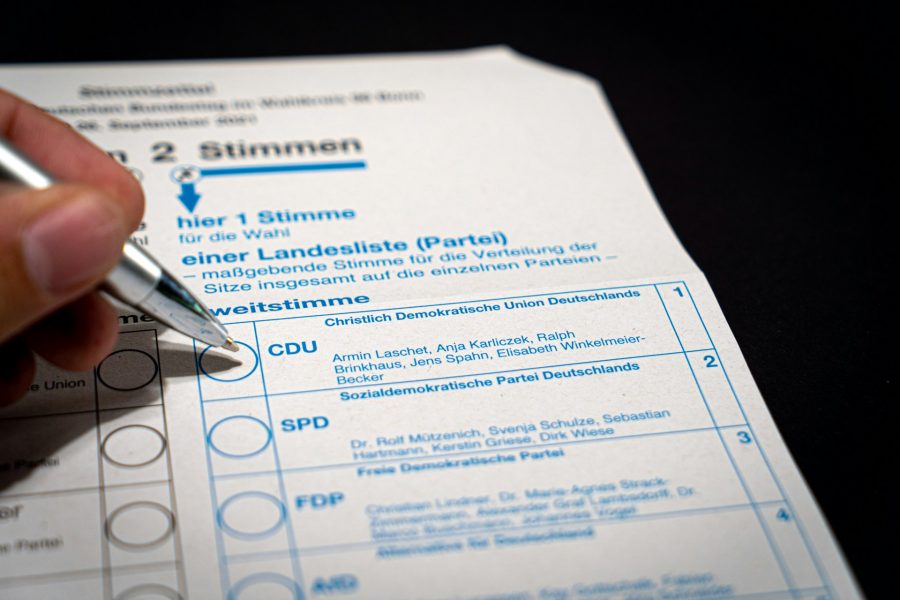
In September 2023, Berlin’s House of Representatives (AGH) adopted an amendment to the state constitution lowering the voting age from 18 to 16. The aim of the constitutional amendment is to strengthen the democratic participation of young people. The new rule will apply for the first time in the 2026 election to the House of Representatives.
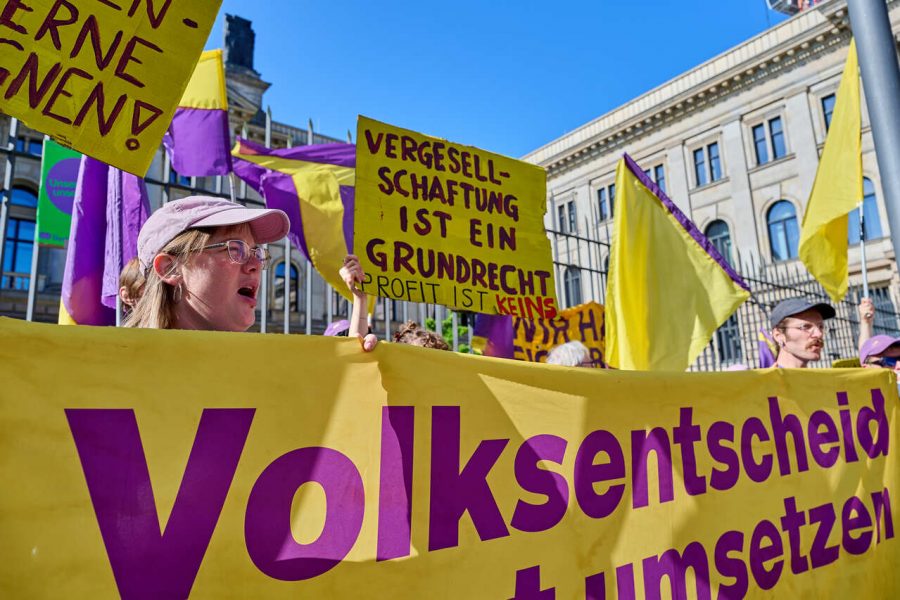
Even before the reform, 16- and 17-year-olds were eligible to vote in elections to the District Council Assemblies. Since 2023, this has also applied to elections to the House of Representatives as well as to state-wide referendums (Volksentscheid) and petitions for referendums (Volksbegehren). The minimum age for standing as a candidate, however, remains at 18.
How Can Elections Be Made Inclusive?
To ensure that everyone can exercise their democratic rights, elections must be organised to ensure equal and barrier-free access as far as possible.
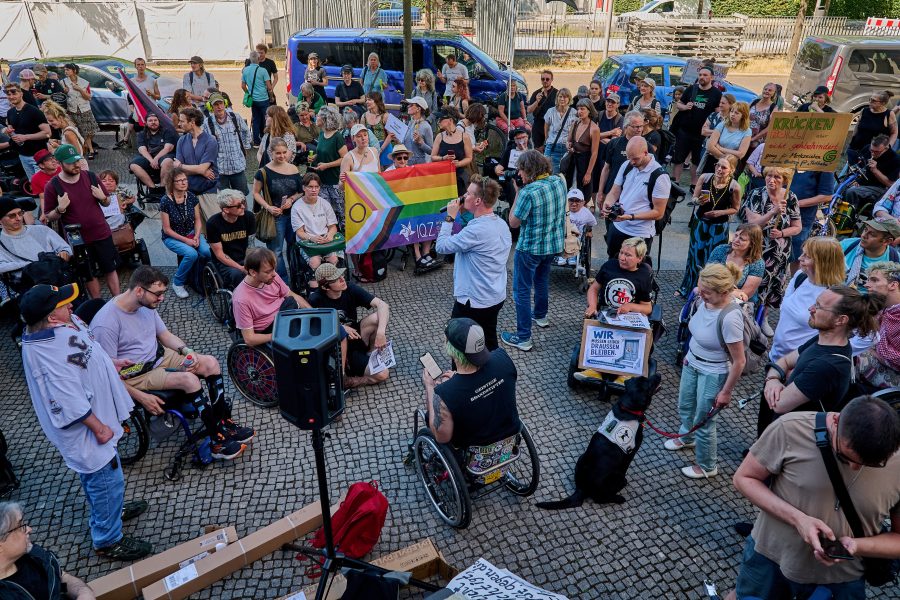
Since 2019, a more inclusive voting law has been in effect in Germany: people with disabilities or impairments who were previously excluded from voting because they were under full legal guardianship are now also allowed to cast their vote.
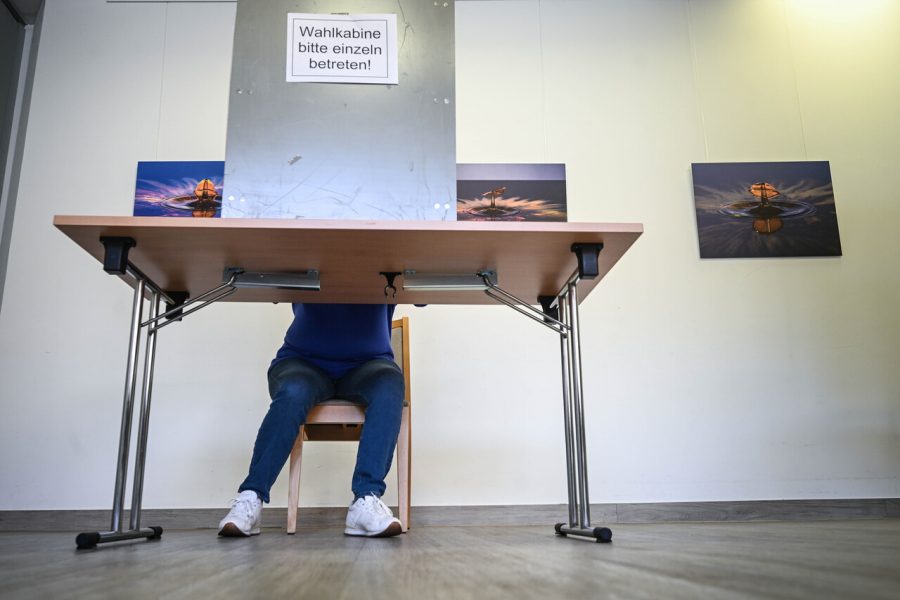
Both during election campaigns and on election day, all citizens should be taken into consideration. Even before the election, information must be accessible, for example through information in plain language or websites that can also be used by people with visual impairments. Polling stations should also be as accessible and usable as possible. In Berlin, however, this is not guaranteed everywhere.
People with disabilities can also receive assistance when voting. They may take an assistant with them into the polling booth or receive help when applying for and completing postal voting documents.
How Are Equal Opportunities Ensured in Elections?
All eligible voters should be able to participate in democratic elections on an equal footing. Equal opportunity means that everyone should have the possibility to obtain information, make a political decision and cast their vote – regardless of education, income, language, origin or health-related limitations. Clear and understandable election information, political education and the removal of barriers play an important role in this.
Despite equal voting rights, different population groups participate in elections to different degrees. In the 2025 federal election, voter turnout among young people between the ages of 18 and 29 was below average. People with lower levels of education or low incomes are also statistically less likely to participate in elections. As a result, some groups are less strongly represented in political decision-making processes.
Another aspect of equal opportunity is the question of who is allowed to vote at all. As a rule, voting rights in political elections require German citizenship. However, in elections to the District Council Assemblies (BVV) in Berlin, citizens of other EU member states aged 16 and over may also vote. They must have had their main residence in Berlin for at least three months and must not have been excluded from the right to vote.
(Header image: © FUNKE Foto Services | Markus Weißenfels)