
What does the story of Charles De Gaulle teach us?
Antonin Baudry’s La Bataille de Gaulle tells, in five hours, the story of the General during the Second World War. A great movie. I learned a lot.
Tenacity.
De Gaulle arrives alone in London. On 18 June 1940, he makes his first BBC speech, speaking on behalf of a free France. Almost nobody follows him at first. France has fallen, and an armistice with Germany is imminent.
Just because you’re alone doesn’t mean you’re wrong.
Lead. Don’t follow.
Credibility.
He gathers a small team of early believers. He presents this tiny group as a serious force — against Vichy France and its hundreds of thousands of soldiers.
Churchill buys in. He sees a genius in need of support. Roosevelt doesn’t. He sees a liar.
Both perspectives are understandable. History, however, takes Churchill’s side.
Focus.
Nothing else matters. Just France.
That was De Gaulle.
Narrow-minded? Perhaps. But if you do not speak up for your interests, who will?
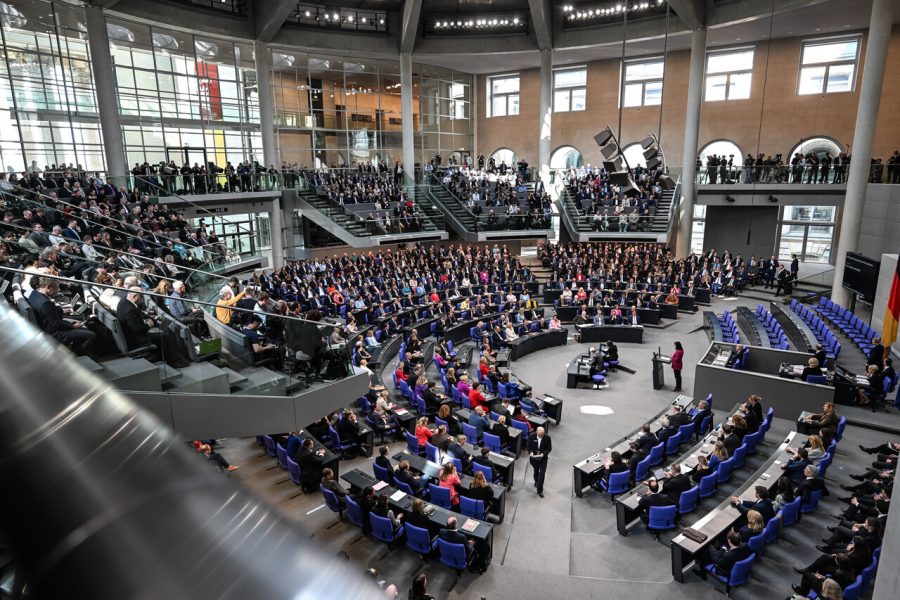
Sometimes talking about an inclusive, international society in Germany today seems almost as absurd as a free France must have seemed in 1940.
Yes, it can look like an impossible mission.
Look at the rise of anti-migrant sentiment. Look at segregation in schools. Look at the reactions to voting rights for people without German citizenship.
Germany is still largely a country for those who speak perfect German.
The list is long.
Lack of leadership.
Where are the charismatic leaders? The De Gaulles, Brandts, Schmidts?
In business? At home? In their gardens à la Voltaire?
When will the turning point come — when someone finally risks entering the dirty arena of politics?
How long is now?
How long can today’s democratic system continue?
A system designed for nation-states in an analogue era.
Can we redesign it without first going through a deep crisis?
And how can the people who are thinking about these questions find each other?
Tenacity. Credibility. Focus.
(Header picture: © Unsplash | Christian Wiediger)