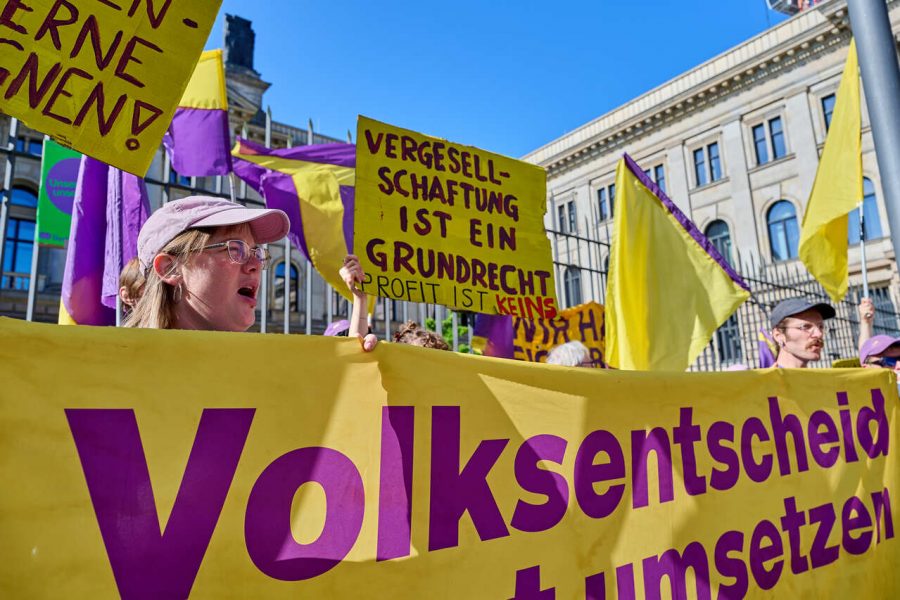

When I moved to Berlin in the spring of 2022, I was approached one sunny afternoon by people carrying clipboards under their arms. Would I like to sign a petition? I was pleasantly surprised by this request – such a sense of community in Berlin, what a place to have come to live. With a Spätibier in my hand and surrounded by new friends, I read what the petition was about and signed it.
What I didn’t know at the time was that, despite having a valid Berlin address, my signature would never be counted. Not because the organisers didn’t want it to count, but because the rules for this type of petition simply require something I don’t have: German citizenship.
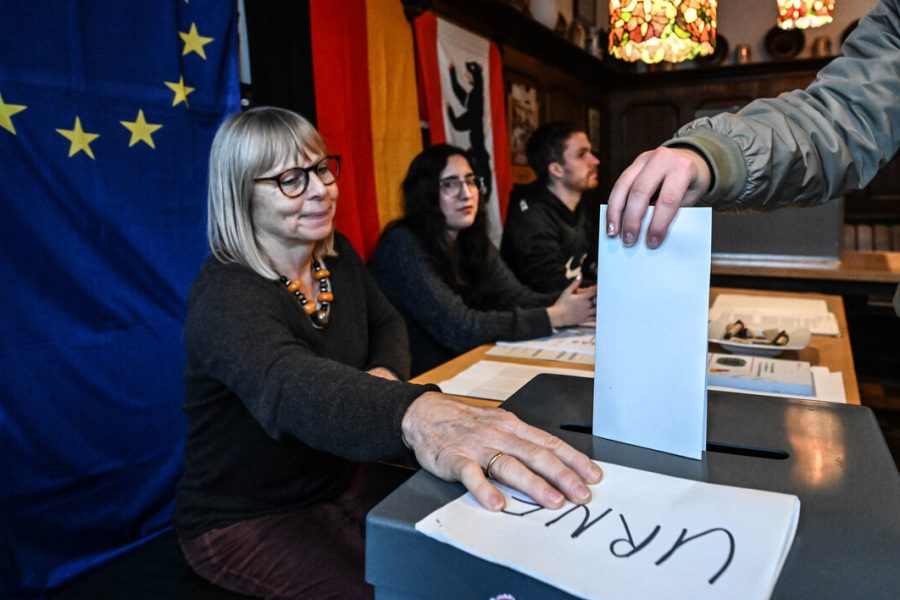
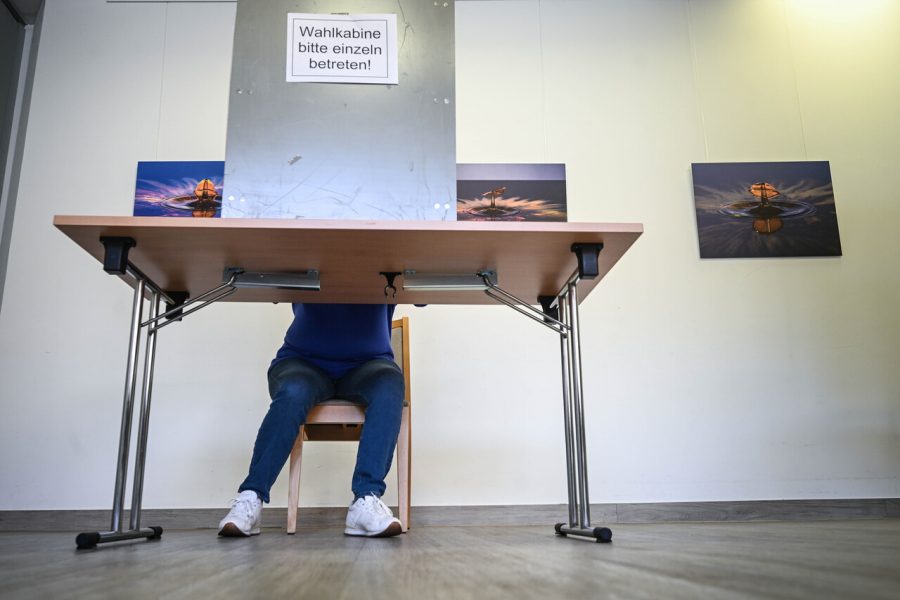
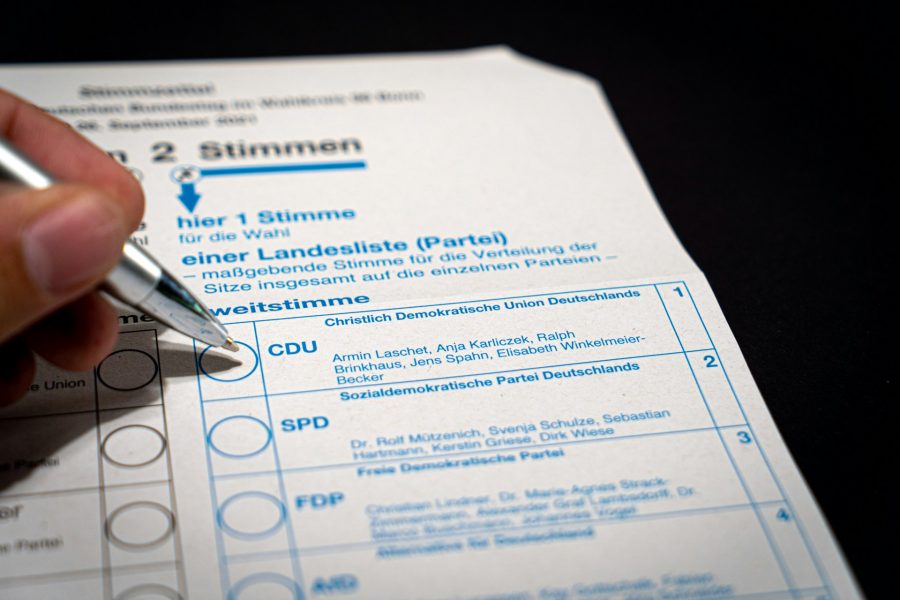
Not long after, the Berlin elections had to be repeated, and I was incredibly happy that, as an EU citizen, I was already able to take part. I turned up at the school in my neighbourhood to cast my vote and contribute to the place where I’d come to live. I’d ploughed through the whole Wahl-O-Mat in German so I could make an informed choice. Even then, I hadn’t realised that the people around me had two more votes to cast than I did.
Third Time’s the Charm?
There are elections again on 20 September. I’m still an EU citizen living in Berlin. I now know that I’m allowed to vote for my district, but not for the Berlin House of Representatives. This year, too, I was approached about a petition. But this time, I was able to quickly and politely wave off the people in high-vis vests carrying clipboards by explaining that I wasn’t allowed to sign – not that I wasn’t interested. Even the third time around, I still won’t be able to take part fully.
Not Alone
I set out to find a way to get involved, to have my say on political matters, and, to be honest, to find out for myself who the mayor actually was and how it all works. I went to some political meetings, but never really felt they were for me. I wasn’t the target audience.
My friends weren’t part of the target audience either – even those who were in the process of applying for a German passport. They weren’t quite sure how to get involved, didn’t feel invited to take part, or didn’t know where to find the information they needed. I became more motivated to do something for their sake as well. This problem was bigger than my own frustration.
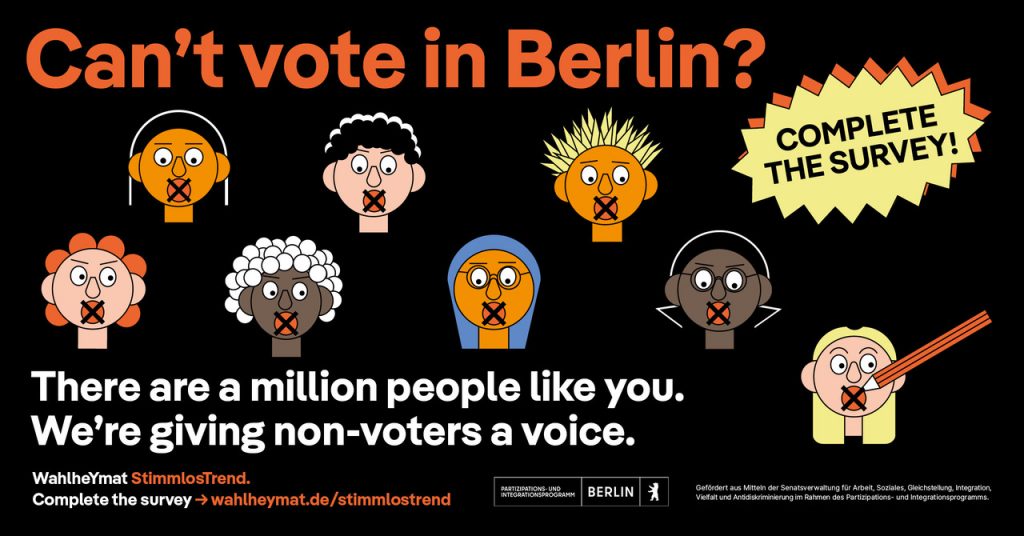
During my search, I discovered two things at once. I’m not the only international Berliner who can’t participate fully. There are as many as one million people whose voices are hardly heard, if at all. And I learnt that I’m not the only one frustrated by this. There are people and organisations that want to do something about it. I am not alone. That was something I could work with.
Making Invisible Voices Visible
In spring 2022, I was the one approached by someone with a clipboard under their arm. This year, things will be different. I’ll of course be voting on 20 September, but I’ve also joined the WahlheYmat community.
Together with them, I’ve developed StimmlosTrend, an initiative that specifically seeks the views of those one million international Berliners. How do they see the city where they live and pay taxes, even though their views aren’t included in any opinion poll? Every few months, BerlinTrend gauges the views of eligible voters with a German passport. We’ve never known what the rest of the city thinks.
Have Your Say
Would you like to share your thoughts on Berlin and find out how your views compare with those of the rest of Berlin’s international community? Then fill in the survey and let us know what you think. Do you know anyone else who isn’t eligible to vote or has only limited voting rights? Pass it on, or share it on social media.
And if, like me, you want to do more than just cast a vote or tick a box, we’re building a network of volunteers to help StimmlosTrend reach as many of Berlin’s international communities as possible this summer – by translating, sharing, and reaching out to people directly. It takes just two minutes to let us know how you’d like to help. Or email hey@wahlheymat.de.
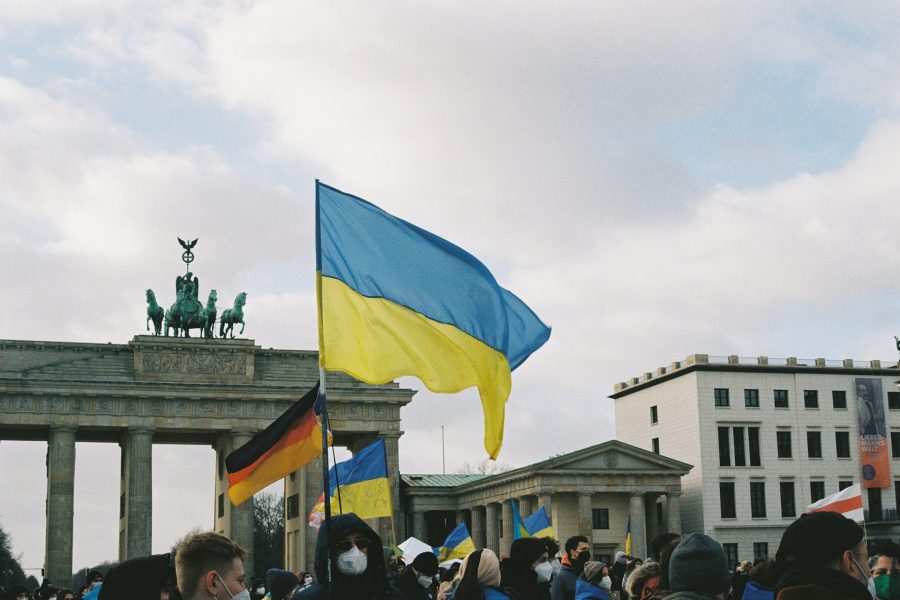
(Header image: © Mika Baumeister | Unsplash)