
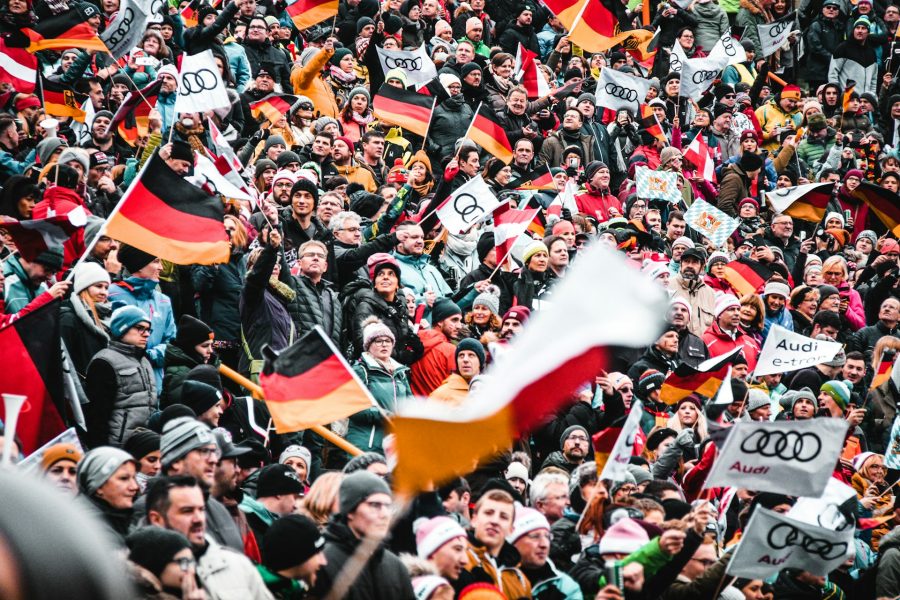
“Football is a simple game. Twenty-two men chase a ball for 90 minutes and, in the end, the Germans always win,” said Gary Lineker after England lost the 1990 World Cup semi-final on penalties against Germany.
Times are changing.
Germany no longer always wins at major football tournaments. And England now has a German coach.
Today, everyone is talking about renewal. Not only in football, but also in the economy, politics, and many other fields. Renewal means letting go of old patterns, questioning familiar methods, and making the best possible use of the strengths we already have while embracing new ideas.
What is Germany’s greatest asset?
Probably the same one it has in many fields: its image. The picture that millions of people around the world still have in mind is of a safe, innovative, prosperous country with outstanding products, reliable institutions, a high quality of life, and strong social security. It is an image that Germany can still build on.
How can this asset be used?
By opening the country even further to international talent, entrepreneurs, researchers, and start-ups, while creating the best possible conditions for innovation, creativity, and investment. Germany does not have to invent every new idea itself. It can become the best place in the world for new ideas to come together, grow, and succeed.
What would such a new beginning require?
First, recognizing that simply doing more of the same is unlikely to be enough. The challenges facing the economy, public administration, railways, infrastructure, and many other sectors are not so different from those facing football. Becoming “more German” in the traditional sense is unlikely to be the answer.
Second, recognizing that new questions often require new perspectives. Renewal begins with new leaders, new mindsets, and people who bring different experiences. That includes newcomers, but also Germans who are ready to think differently.
Perhaps Germany’s future lies not in redefining who is German, but in rediscovering what Deutsch originally meant. The word comes from the Old High German diutisc and simply meant “belonging to the people” — not to an ethnicity, but to a community.
Perhaps that is the most modern idea Germany can rediscover.
(Header image: © Unsplash | Simon Vollformat)