
TL;DR If you’re in Germany, be ready for big costs at the end of the year. You should also always have a savings pool to deal with random, crazy, unexpected bills that might show up. They tend to do that as the year ends.
We just had another Christmas in Germany. And wasn’t it magical, with all the Christmas markets and Glühwein? My mother decided to make an appearance, and we spent a week in a Ferienwohnung (holiday home), south of the city in Werder (Havel). She has come at Christmas a few times before with this idea of a “German Yuletide” in her head. But sadly, Berlin is not Nuremberg.
Summer in Berlin is when life is good; that’s when you can really get to know the city, meet people, and have your Berlin experience. I keep asking my mother, “Why? Why do you keep coming here in winter?” We’re also both from the Pacific Northwest, so we grew up with a very similar winter: cold, but not freezing; wet, grey, and dark. It’s a hard row to hoe. But she keeps making that decision to come around this time of year. When we get into January, February, and March, and I hear people talking about vacation plans to warmer climes, I always think, “Warmduscher! Can’t hang through the whole winter, eh?”
Nebenkostenabrechnung
Still, we had the Christmas thing. And now what? I have absolutely no idea why the Germans haven’t put together traditions that last through the winter. If you had a Christmas market, why can’t you have a winter market? Until March, we’re in for some bleak days with no tinsel. But there’s something even worse happening at this time of year that, if you’re from outside this system, you likely won’t be aware of. And it can bite you in the ass very hard. Let me tell you about it.
Bills. See, in the US, bills come due once a month. You get a bill at the end of a month and you realize, “Oh shit! This is super expensive and I’m going to have to figure out something else.” Example: I was living in an apartment in Walla Walla, WA, for my senior year of college and it had baseboard heating — electrical heater units that run along the floor. In September I moved in; so, it wasn’t until November that heating became necessary. And the baseboards were completely useless. I was freezing in my apartment. Then that first month’s bill came and the eyes popped out of my head. For something so damn worthless, it sure cost a fortune. I had to figure something else out. And I did. But I knew that the cost was high because I was getting monthly bills. I had a way of looking at my consumption over the last 30 days and figuring out what I actually wanted. Feedback.
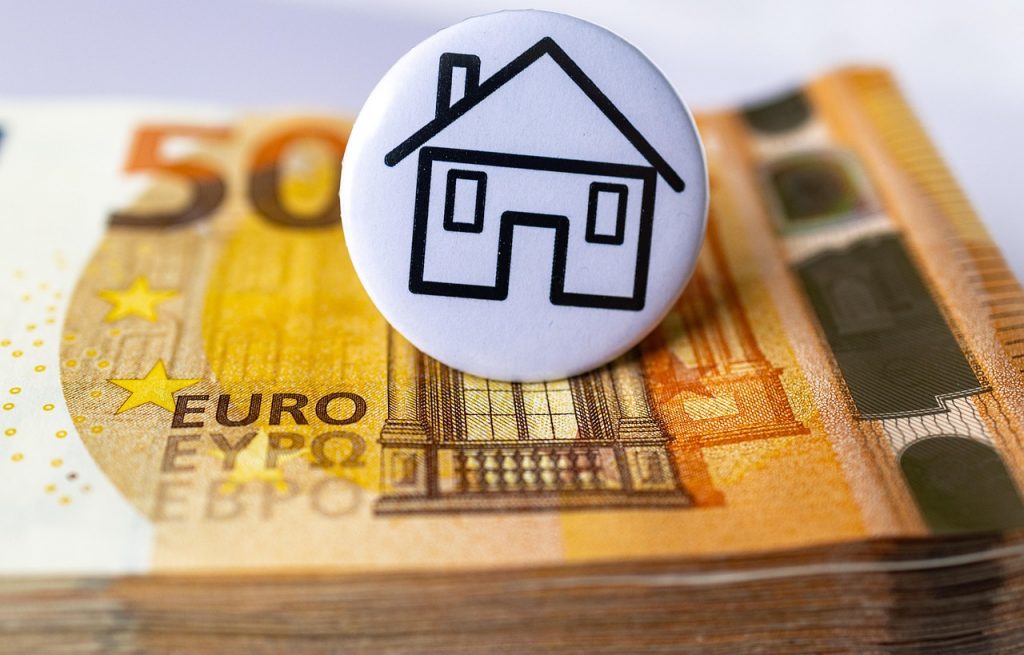
It could be that all of this is the same throughout Europe. I never really rented an apartment in France, even though I lived there for two years. And if you’re a subletter in Berlin, all of this will be hidden from you. They’re deliberately hiking your rent, hoping that your heat and electricity bills don’t screw them. If you’re subletting here, you’re paying at least double what the main renter is paying, depending on the lease. Some of that is to cover their utilities costs… you’re still getting massively shafted on a sublet, but they’re still trying to cover their losses. Actually, subletting is a whole other racket that we won’t go into right now, because I want to talk about something else: the end-of-the-year bills (Nebenkostenabrechnung).
You should have been prepared
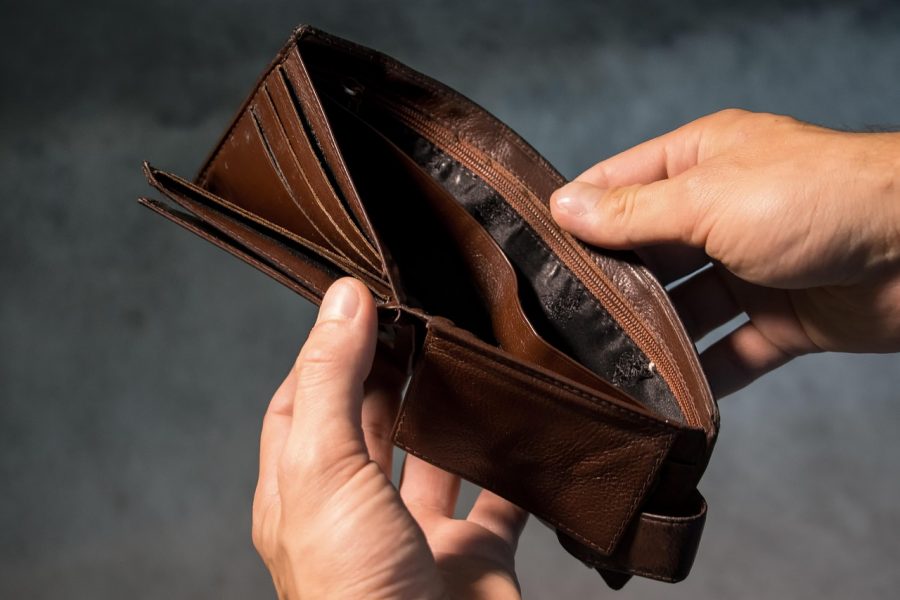
So let’s say you’ve got a place where you’re the main occupant. You’re renting or maybe you bought something, but you’re the main name on the lease. In general, I counsel you to always have money squared away, but especially at the end of the year. You should have at least two grand in your account at all times, because an enormous bill can come out of the woodwork at any moment with a huge price tag in its mouth.
The following story is all on me. I know that it was my fault and I own that shit. But I moved into my first apartment as the “Hauptmieter” in 2016. I had heard about cold rent and warm rent. So, I thought these were the “utilities” that I knew from back home. Back in Seattle, I paid them and the water, trash, and daily upkeep were all taken care of. There was no bill at the end of the year. It was all-you-can-eat. I remember when a French friend of the family came to stay with me for a month, and I pointed out, “you can shower with hot water as long as you like, it will never run out, and it costs me nothing.” The look of shock on his face was priceless. The German system, however, is very different. It’s done on a yearly basis.
Let me try to explain this. If you already know about it from Germany or other European cities, then it’s old hat. I’m sorry to waste your time. But if this system is new to you, you should know about it — so let me lay it out.
You pay something through the year, contributing to your end fund. So, with rent, you pay something on top called Warm Rent. This goes to your “utilities” costs. The same thing happens with your electricity (Strom). And here is the most vital thing — I maybe should have started with this — you get a bill for all of these services at the end of the year… in the same month.
So, that first year I was living in my new apartment in 2016, I didn’t understand the system. I would crank the heat in all the rooms during the winter and shower like I was in Seattle. Come the following December, I got a bill for over €700. I went down to the Mieterschutzbund and asked them, “Is this for real?” “It’s real as a heart attack, my friend”, said the lawyer. I learned my lesson, but it was a very pricey lesson.
Germany works on long timelines
What we’re talking about here is a system that you’ve been paying into all year, and at the end, you get an accounting. If you paid in too much, well, you get money back. Did you not pay enough? Well, we have a bill for you now. And that’s the thing: in the US we are not trained to think about year-long arcs, but that’s how it works here.
In the months of December and January, you’re going to have a lot of people asking for a lot of money. You need to plan for that shit. Personally, I have a savings account with a nice cushion, just in case I get this kind of surprise. In some ways, it’s similar to the US: because there’s no social safety net there, you have to keep six months of savings in the bank, just in case.
The takeaway is simple: Germany works on long timelines, not monthly feedback loops. If you’re building a life here, you have to build financial buffers into it as well. Expect silence all year — and a reckoning at the end. Put money aside early, even when nothing seems wrong. Because when those bills arrive, they don’t care whether you’re new, surprised, or unprepared. The system assumes you planned ahead. You should always have a buffer for emergencies, but especially at the end of the year, when a lot of hands are going to shoot out, demanding a toll.
| The Nebenkostenabrechnung is one of those very German realities that tends to arrive quietly — and hit hard. Once a year, tenants receive a detailed breakdown of additional housing costs: heating, water, waste disposal, cleaning, and a long list of items many people barely remember agreeing to. The problem isn’t just the complexity of the document, but the timing. It often lands months after the costs were incurred, when budgets are tight and expectations are low. What feels like routine paperwork can suddenly turn into a four-figure payment demand. The key issue is predictability — or rather, the lack of it. Rising energy prices, unclear consumption estimates, and calculation errors make Nebenkostenabrechnungen a recurring source of stress. This is where Mietervereine come in: tenant associations can review the statement, spot mistakes, and advise on objections — a service many renters underestimate. Ignoring the Nebenkostenabrechnung or filing it away unchecked is a mistake. It deserves careful attention, informed scrutiny, and ideally a financial buffer — because in Germany, the real cost of living often only becomes visible after the year is over. |