WahlheYmatPost — Understand How To Berlin
Weekly guide for Berlin’s international community
Quick stories, local events, and ways to take part, right in your inbox — made with Berliner Morgenpost.
Your data matters to us — see our privacy policy.
This is a cooperation with Berliner Morgenpost. You can subscribe to their newsletters here.

WahlheYmatPost
-

A Mayor Tandem for Berlin
What if Berlin’s nearly one million residents without a vote had their own representative at the very top of the city? A second mayor, working alongside the elected Regierende Bürgermeister, could give international Berliners a visible voice in how the city is shaped. A radical idea? Perhaps. But in a city where roughly one in four residents cannot vote in state elections, it may be time to rethink what political representation can look like. -

No German Passport? You May Still Have a Vote in Berlin
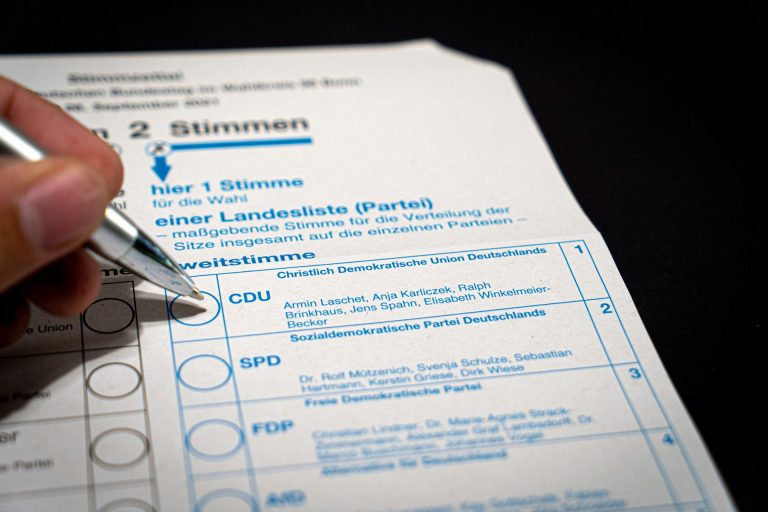
Around 240,000 non-German EU citizens are eligible to vote in Berlin’s district elections on September 20. A new series of multilingual events aims to explain how the election works – and how EU citizens can help shape the neighbourhoods they call home. -

Social Psychologist Ulrich Wagner on How Fear and Prejudice Fuel the Far Right
Why do we so easily divide people into “us” and “them” – and when does this natural tendency turn into prejudice, discrimination and hostility? In an interview with WahlheYmatPost, social psychologist Prof. Dr. Ulrich Wagner explains how feelings of threat can be politically exploited, why simple solutions are so appealing in uncertain times, and how contact between different groups can help counter polarization. -

From Distrust to Dialogue: Why We Need to Meet
Political trust is not just about voting rights. It is also about feeling heard, respected and recognised as part of society. Ivan Gabor argues that rebuilding trust requires more than political promises – it starts with conversations between people who might otherwise never meet. -

The Participation Paradox: Why Political Trust Doesn’t Always Translate Into Votes
Immigrants often arrive with greater trust in democratic institutions than the native-born population. But that trust does not necessarily translate into political participation – and over time, it tends to decline. New European research raises an important question for Berlin, where hundreds of thousands of residents could not vote in the recent state election at all. -

We talk a lot. But what do we actually do?
We vote, governments govern, and we expect politics to solve our problems. But what if democracy needs more from us? Drawing lessons from Taiwan and Berlin 1989, Ivan Gabor asks how civic movements can reclaim the power to shape society – instead of waiting for someone else to do it. -

Democracy at the Späti: What Berlin’s Symbolic Election Revealed
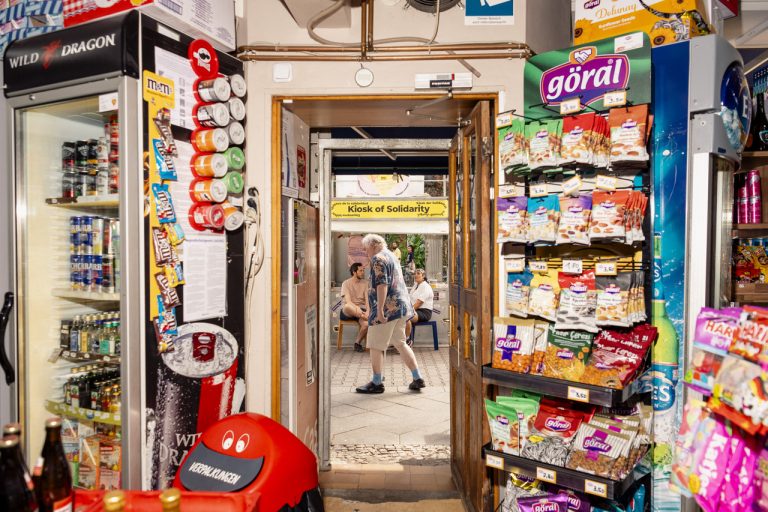
What happens when voting moves out of polling stations and into Berlin’s neighbourhood Spätis? This summer, the Migrationsrat Berlin held symbolic elections across the city to give people without voting rights a space to make their voices heard – and to start conversations about political participation, exclusion and democracy. WahlheYmatPost spoke with Mallika Basu and Maria Vittoria Celardo about what they learned from the experiment, the conversations that surprised them and why they believe voting rights in Germany need to change. -

From Kyiv to Berlin: War Changed His Path, but Not His Dream
At 15, Oleksandr Drevytskyi left Kyiv with his mother and their dog Ozzy after Russia’s full-scale invasion of Ukraine. In Berlin, he found himself navigating a new language, a new school system and an uncertain future. Four years later, he is studying mathematics at Humboldt University – and helping other Ukrainians find their own way through the city. -

Strangers by the Spree: Inside Berlin’s Outdoor Latin Dance Community
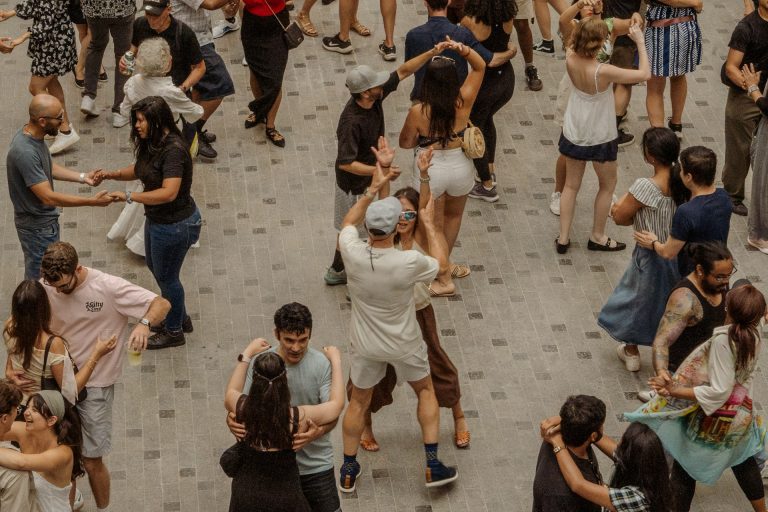
Just a few hundred metres from Berlin Central Station, strangers meet by the Spree to dance salsa and bachata together. Drawing on her own experience of joining the crowd, Borbála Hanna Dévai explores how Berlin’s outdoor Latin dance scene brings together people of different ages, backgrounds and professions. -

StimmlosTrend 2026: 96 Percent Would Vote If They Could
The final results of WahlheYmat’s StimmlosTrend are in. They show a striking willingness to participate among international Berliners without voting rights – but also widespread concern about the city’s future and a strong sense of having little influence over it. -

“Berlin taught me to dislike the word integration”
Berlin was the city that changed everything for Marilena Chatziantoniou. After more than two decades working in humanitarian aid around the world, she founded Just-Go-For-It to help people recognise opportunities rather than obstacles. In this interview, she explains why she rejects the word “integration”, why community matters more than bureaucracy, and why she believes participation is something we choose every single day. -

What is Germany’s greatest asset?
Germany doesn’t need to become more German. It needs to become better at turning its greatest asset—its reputation as an open, reliable, and innovative country—into a magnet for people and ideas from around the world. -

Migrants With Degrees Are Not What Germany Is Looking For
As state-funded German courses become harder to access, many migrants are left trapped between limited language skills and low-income jobs. At the Lohana Berkins Center in Berlin, Darío Farcy and his team are trying to break this cycle through free education, solidarity, and community organizing inspired by Latin American grassroots movements. -

Who Will Lead Germany Into Its International Future?
Germany is becoming more international, while its political structures remain rooted in the nation-state. What can Charles de Gaulle’s extraordinary story teach us about leadership, persistence and the courage to rethink the status quo? -

Berlin Wiki: What Are the Key Issues in Berlin’s Election?
Housing, transport and education directly affect everyday life in Berlin – and they are among the central issues of the election campaign. In this part of our Berlin Wiki series, we look at the challenges facing the city and how the major parties differ in their proposed solutions. -

Berlin Wiki: Equal Access to Democracy
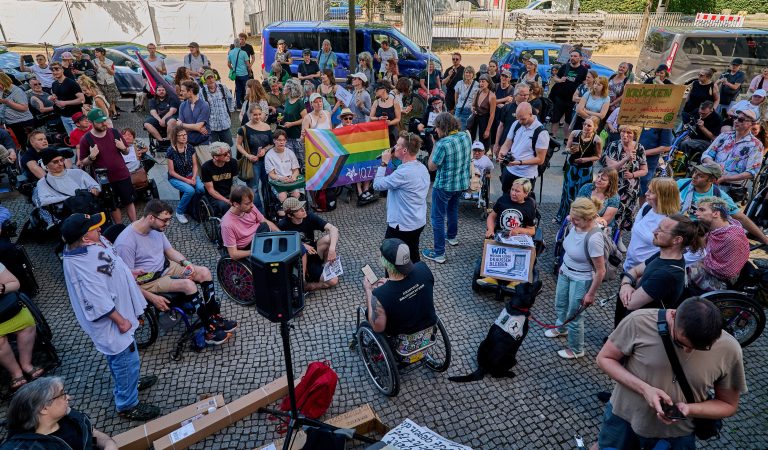
In the next part of our Berlin Wiki series, we look at who can participate in elections and under what conditions. What has changed since Berlin lowered the voting age to 16? How can elections be made accessible to people with disabilities, and what does equal opportunity mean when it comes to voting? -

Berlin Wiki: Ways to Influence Politics in Berlin
Elections aren’t the only way Berliners can influence political decisions. Volksbegehren, Volksentscheide and Bürgerinitiativen offer different ways to put issues on the political agenda and push for change. In this edition of our Berlin Wiki series, we explain how these forms of participation work – and who can take part. -

Berlin Wiki: How Berlin’s Government Is Formed
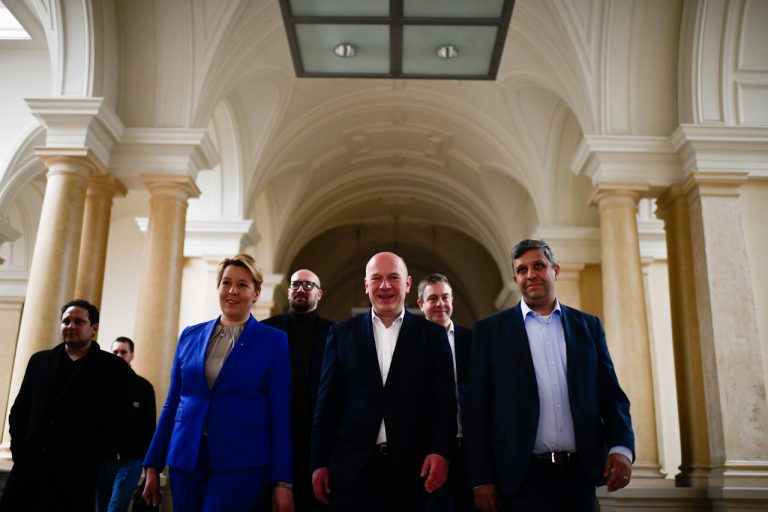
In the next part of our Berlin Wiki series, we explain what happens after an election. How is Berlin’s state government formed, why are parliamentary majorities necessary, and what happens during coalition negotiations? This guide walks through the process of forming a government in Berlin. -

Berlin Wiki: Democracy and the Principles of Free Elections
In the next part of our Berlin Wiki series, we explain the democratic principles that govern elections in Germany. What does democracy mean, why must elections be free and secret, and what are the five constitutional principles that ensure fair elections? This guide introduces the foundations of Germany’s democratic system. -

Berlin Wiki: Who Influences Political Decisions?
In the next part of our Berlin Wiki series, we explain how interest groups influence political decision-making in Germany. What is lobbying, what role do interest groups play, and why is political transparency so important for a functioning democracy? This guide introduces the key concepts behind political influence and public accountability. -

The Signature That Didn’t Count – Finding My Voice in Berlin
Esther Nass, a member of WahlheYmat, never expected that a signature on a petition would reveal the limits of her political participation in Berlin. Her personal story shows why giving a voice to international Berliners matters – and how StimmlosTrend hopes to do just that. -

Berlin Wiki: Finding Reliable Information Before You Vote
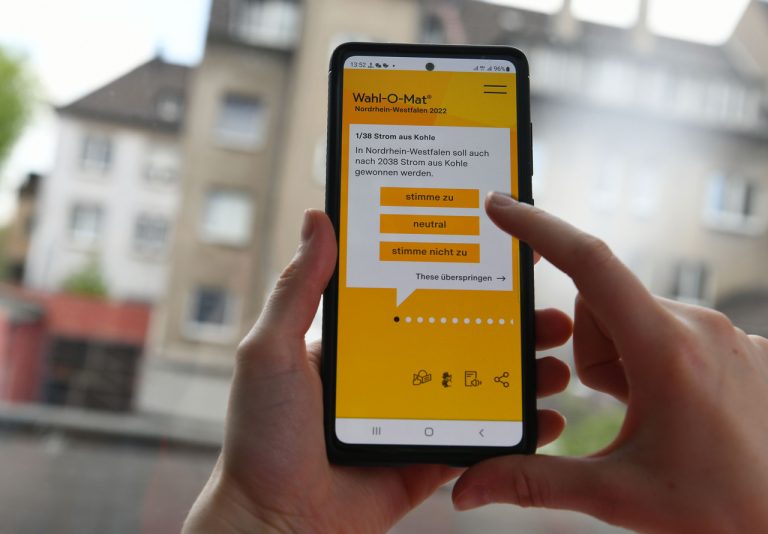
In the next part of our Berlin Wiki series, we look at the tools and skills that can help you make an informed voting decision. What is the Wahl-O-Mat, what does media literacy mean, and how can you tell the difference between disinformation, misinformation, and fake news? We explain the basics of navigating political information in Germany. -

StimmlosTrend: A New Survey Wants to Hear Berlin’s Missing Voices
Around one million people who permanently live in Berlin have no right to vote. With the launch of StimmlosTrend, WahlheYmat wants to make their perspectives visible and bring them into the public debate ahead of this year’s elections.