
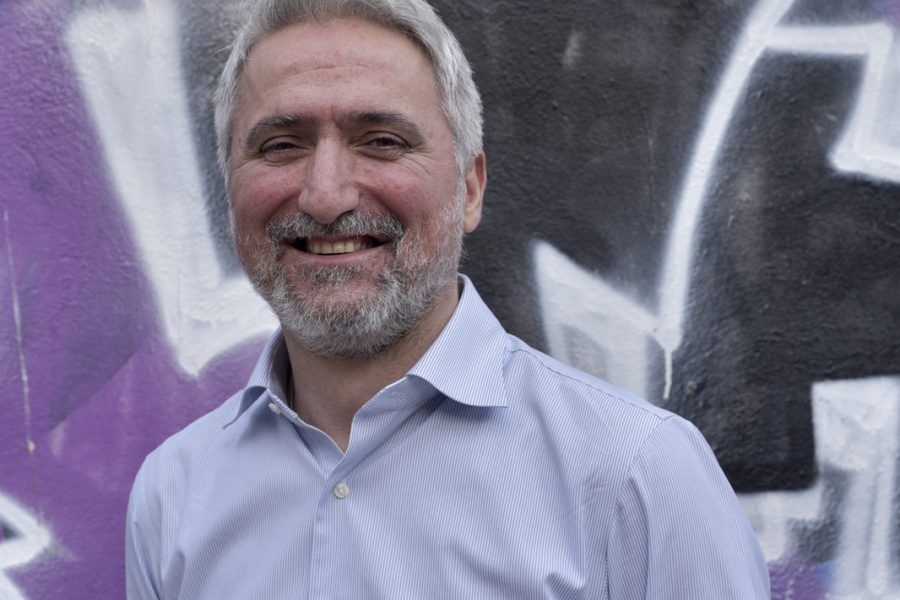
WahlheYmatPost: Can you briefly introduce your organization? What is its main mission in Berlin?
Erkin Erdoğan: AKEBI e.V. is a Berlin-based non-profit association, founded by migrants from Turkey in 2014. The name “AKEBI” is the acronym of “Association of Activists Against Racism, Nationalism, and Discrimination” from the Turkish language. We had a preceding anti-racist network of migrant activists that resulted in the foundation of AKEBI, which was formed after the murder of Hrant Dink in Istanbul in 2007.
Hrant Dink was an Armenian journalist who was the chief editor of Agos newspaper, and he was the vibrant face of peace, dialogue, and confronting history as a foundation for building a society of solidarity today. His murder was a big shock both within and outside Turkey, sparking wider awareness of the injustices he fought against. AKEBI took his legacy and organized a series of events at the 100th Anniversary of 1915 for the recognition of Armenian Genocide.
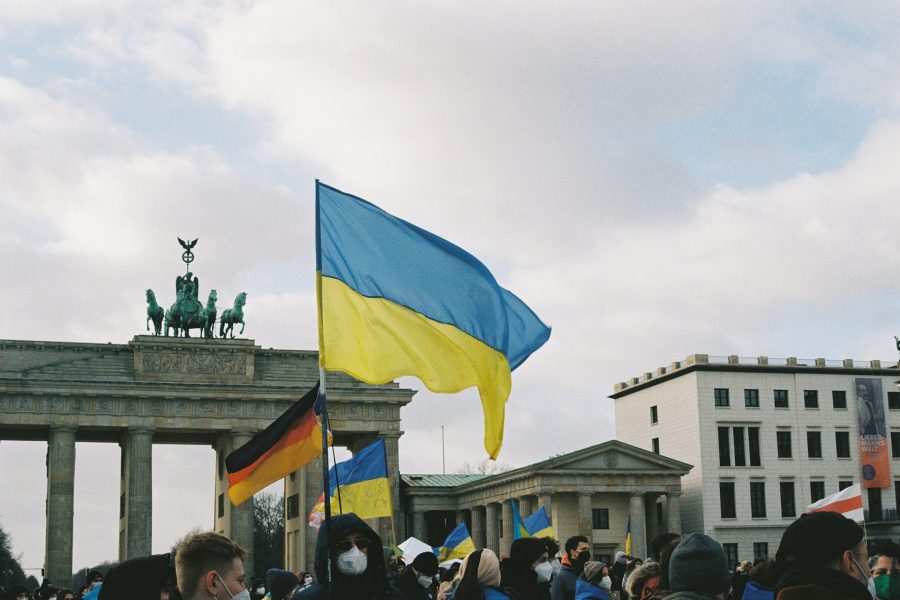
In 2016 the resolution “Remembrance and commemoration of the genocide of the Armenians and other Christian minorities in the years 1915 and 1916” passed with a great majority in Bundestag. We were in front of the Reichstag demanding recognition and celebrating the decision with Armenians, Kurds and others.
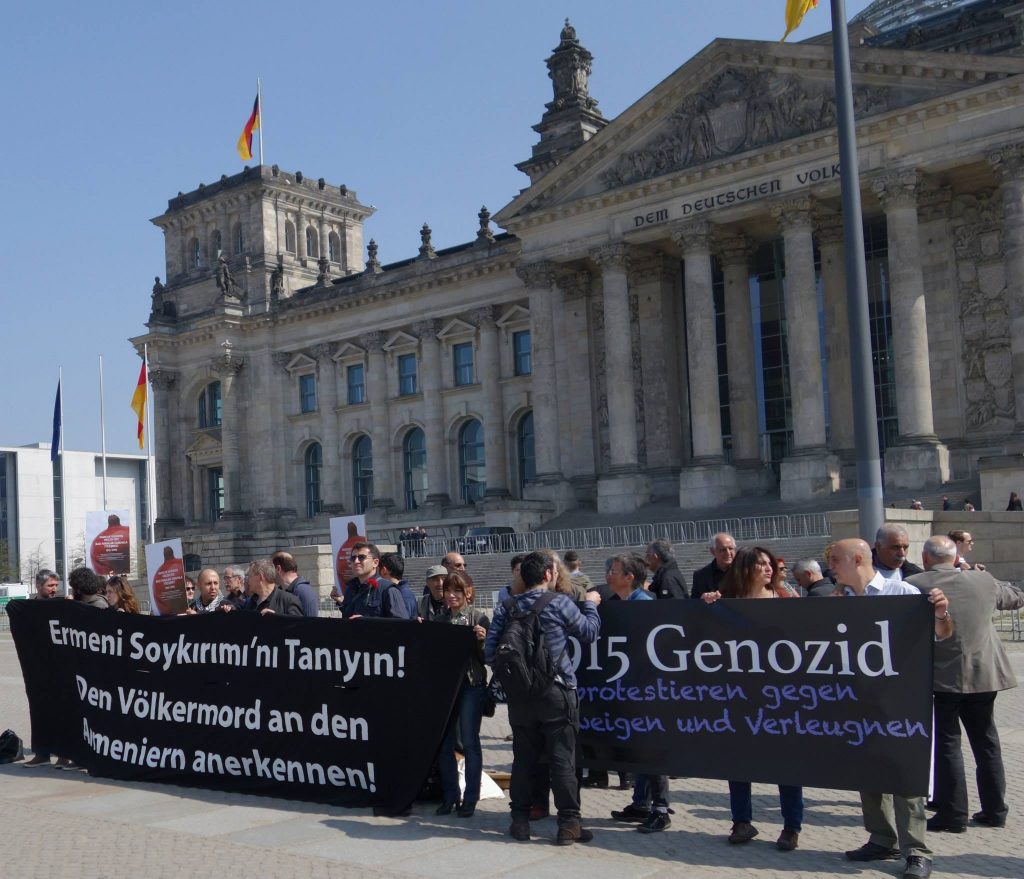
The memory of the genocide against Armenians and other Christian minorities holds great significance for present-day Berlin – a city shaped by migration, diversity, and complex histories. For many citizens of Armenian, Aramean, Assyrian, Kurdish, Alevite, and Turkish origin, the genocide of 1915/16 is not a distant event but a formative historical legacy. Yet, the perspectives and memories of the victim groups remain marginalized in public commemoration.
In Berlin, where people from these backgrounds live side by side, remembrance becomes an act of recognition and solidarity. It creates space for dialogue about shared suffering, historical responsibility, and the consequences of denial and silence. For Berliners as a whole, engaging with the genocide of 1915/16 offers an opportunity to understand how state violence, racism, and exclusion shape societies, and how memory can serve as a tool for justice and participation.
For AKEBI, fighting against all forms of racism, prejudice and exclusion – including the far-right tendencies within the Turkish migrant community – is of great importance.
WHP: What personally motivated you to get involved?
Erkin Erdoğan: I was living in Istanbul when Hrant Dink was murdered. I then became engaged with the initiatives working on the Armenian Genocide and crimes of the past.
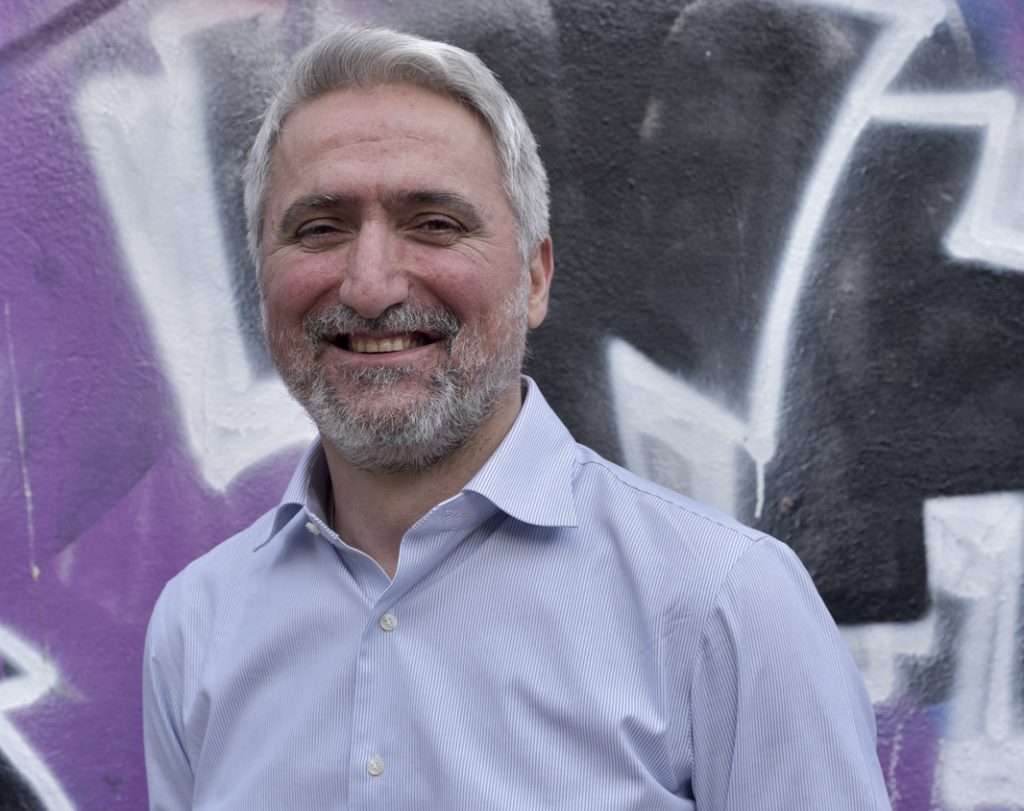
After I moved to Berlin in 2012, this issue became an important field of activism for me, as I came to the conclusion that confronting the tragedy of 1915/16 gives Berlin the chance to foster a more inclusive culture of remembrance—one that reflects the city’s post-migrant reality and amplifies marginalized voices. It is an opportunity to build bridges between communities, challenge dominant narratives, and demonstrate that remembrance concerns us all.
WHP: What challenges do people with a migration background face in Berlin—and how does your organization respond?
Erkin Erdoğan: Estimates suggest that around 200,000 Berliners (about 6% of the city’s population) have a migration background from Turkey. This group is religiously and ethnically diverse: approximately 80,000 identify as Kurdish, around 40,000 come from the Dersim region and belong predominantly to the Alevite faith community. Adding non-Muslim groups such as Armenians, Assyrians, Chaldeans, and Arameans—whose roots also lie in Anatolia or present-day Turkey—results in an even larger number of people directly or indirectly affected by historical and current developments in this region.
The genocide against Armenians and other Christian minorities in the Ottoman Empire in 1915/1916 represents a profound rupture in history. Historians estimate that about 1.5 million Armenians and around 300,000 Assyrians were killed through massacres, deportations, and systematic violence. Most survivors were forced to flee and live in diaspora to this day.
At the time of the genocide, Germany was the Ottoman Empire’s most important military ally. Numerous sources show that German diplomats, military officers, and politicians were informed about the crimes, yet failed to intervene. The 2016 Bundestag resolution (18/8613) states this clearly: “The German Reich bears partial responsibility for the events.” This historical responsibility has so far been insufficiently integrated into German remembrance culture—especially regarding migrant perspectives.
Turkey, as the successor state of the Ottoman Empire, officially denies the genocide to this day, and refuses to critically engage with its own past. This stance also affects many Berliners who were shaped by Turkey’s formal and informal education systems. Many of them lack access to objective information about 1915/16 or adopt—consciously or unconsciously—the denial narratives of Turkish state ideology.
In a city like Berlin, where people with different historical experiences live together, engaging with the genocide of 1915/16 is not only a matter of historical justice but also a contribution to social cohesion. Remembering the genocide against Armenians creates a space to reflect on historical responsibility, societal fractures, and the meaning of solidarity in diverse life realities—issues that remain relevant for many migrant communities today.
At the same time, it becomes clear that migrant organizations and post-migrant generations often face structural barriers when trying to bring their perspectives into German remembrance culture. There is a lack of space, resources, and recognition to develop and make their own narratives visible. This not only hinders social participation but also fosters reactive and conservative tendencies within communities. We need to place the memory of the genocide in a local, post-migrant context and explore new forms of commemoration.
As AKEBI, we became an organization contributing to these efforts in partnership with many other migrant self-organizations, NGOs, museums, and cultural institutions.
WHP: Do you have an upcoming project, event, or initiative you’d recommend to our readers?
Erkin Erdoğan: We have an upcoming public event on Turkish right-wing extremism, Grey Wolves, at SO36 on 16 December at 19:00. We are co-organizing this with the initiative KsgR (Kreuzberg solidarisch gegen Rechts). Two experts, Ismail Küpeli and Ceren Türkmen, will be our speakers, and Nihat Kentel from AKEBI will be moderating. I would like to cite the following paragraphs from the description of the event:
“The so-called “Grey Wolves” movement, associated with Turkish ultranationalism and right-wing extremism, has been active in Germany for decades. It is considered one of the largest far-right movements in the country. Its presence is also clearly felt in Berlin. The movement does not only appear in the form of cultural or homeland associations but pursues a distinctly political agenda that targets minorities such as Kurds, Alevis, Êzîdis, Armenians, and queer people.
In recent times, experts, journalists, and civil society organizations have increasingly observed ideological, organizational, or strategic convergences between Turkish ultranationalist groups and German far-right structures—including the so-called New Right. These developments have so far received little public attention, but carry significant potential for socio-political conflict.
With our event, we aim to shed light on these largely overlooked interconnections, provide background knowledge, and create an open space for discussion and exchange. At the heart of this lies the political question of how anti-racist and anti-fascist policies can respond to this movement—and why diversifying anti-discrimination policies is central to that effort.”
As AKEBI, we organized an online event during the pandemic in 2021 regarding this issue, which can be seen here. This will be the second big event we organize around this topic. You are all invited.
WHP: How can interested people support your work or get involved?
Erkin Erdoğan: AKEBI is an organization based on volunteer activism. We are trying to engage more members and activists in Berlin. Feel free to come by to AKEBI for a tea and to get to know us better on Mondays, Tuesdays and Wednesdays between 10:00 and 16:00 at Böckhstraße 24, 10967 Berlin. You can also send an email for an appointment. We will have a new member’s meeting where we will present AKEBI more in-depth on Saturday, December 5 at 17:00 at the address mentioned above. Some of our events can be watched on our YouTube channel. You can also follow us on Instagram and Facebook. You can check our website for the upcoming events or you can become a member of our newsletter group if you want to get information over email. Together, we are stronger in building solidarity against racism!