
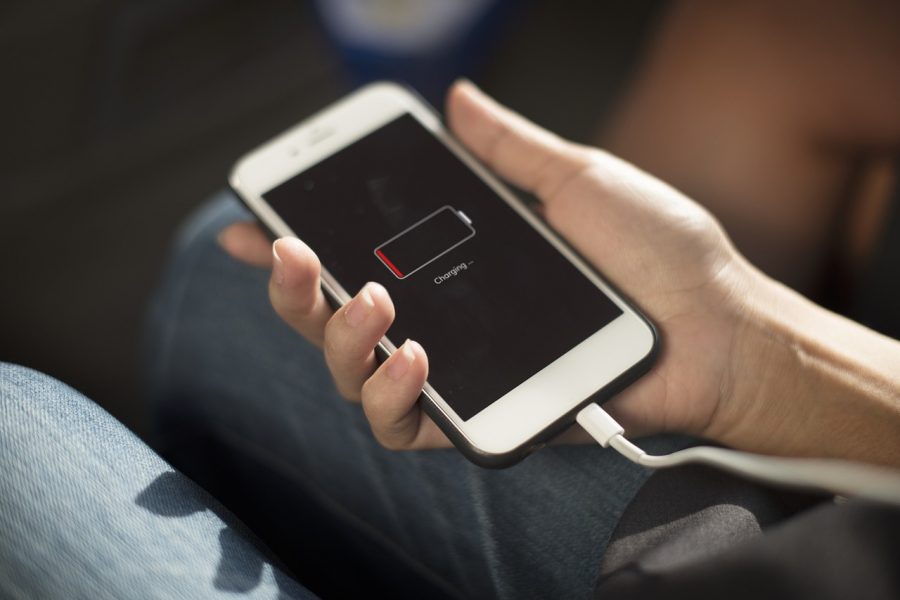
Energy – scarcity.
We talk about energy all the time—but only in physical terms.
I find myself thinking more and more about our social energy, which may matter even more.
Because a society also needs energy.
This energy, I would call social energy—a concept that appears in the social sciences under terms like collective intelligence or social capital.
Social energy = the capacity of a society to act collectively, to innovate, and to participate.
We are experiencing an extreme scarcity of social energy.
“German society is just tired” — I heard this from someone born in Germany.
Many factors contribute to this feeling: low trust in politics, bureaucracy, exclusion, fragmentation, a sense of powerlessness.
So where could new energy come from? How do we re-energize a society?
Finding the right answer may be the most important task we face today.
The reality is that social innovation often emerges from tension, disruption, and crisis.
Even tension itself can generate energy.
That is why anti-migration narratives drain energy from society. That is why debates like “Stadtbild” or “80% Syrians” are not just communication failures—they undermine the possibility of a truly civic and democratic future.
Because migrants living in Germany are one of the greatest untapped sources of energy in this society.
Recognizing and valuing these people—their courage, their experience—would unlock enormous innovative potential for the country.
The good news is that more and more people are investing their time, energy, and commitment—often unpaid—into democratic innovation.
Our task is not to stop at words and concepts, as politics often does. Our task is to act.
To create quick wins. To create change—at all levels.
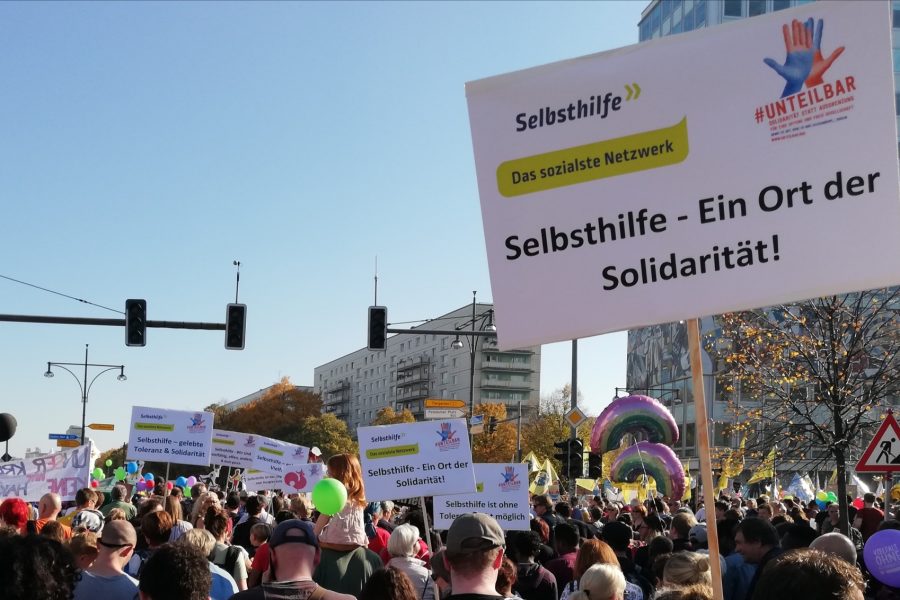
To communicate clearly: civil society stands together for an inclusive, collaborative future.
We can re-energize ourselves. And we must.