
“We need impactful love brands… that blend purpose, impact, innovation, and emotion.”This challenge was launched by the GICA Impact Network, founded and led by our amazing friend Alexander Sascha Wolf. Sure, Sascha is right — but using the term love brand made me think.
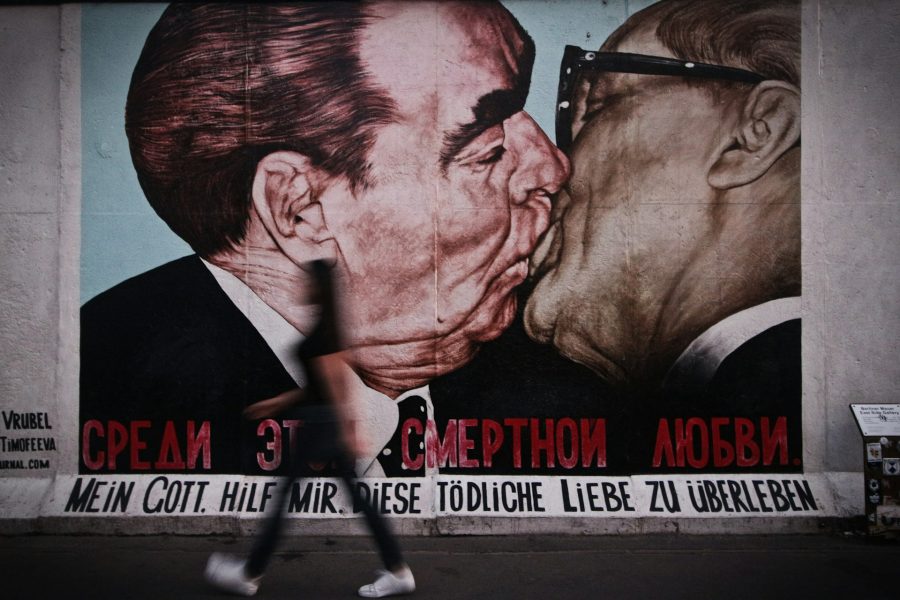
What are the love brands of our democratic and political life? The ones that make you feel committed, proud, and fill your heart with positive feelings? I have the feeling that today’s democracy is full of hate brands. Hate has become the main driving force in political discourse. Even non-extreme people — perhaps without noticing it — tend to thrive on beingagainst something.
I often argue that we should do this or that to prevent extremists from coming to power. But when I step back, I realize this is the wrong strategy — just as wrong as parties in the political center having little else to say than: please go to the polls and vote for us to stop the extremists.
Why is this so? Many studies show that people are much more likely to share negative news than positive news — on average almost twice as much — and social media amplifies this effect even further. I feel this is true, but it is not the real argument. Creating a brand, first and foremost, requires a very clear vision, positioning, unique points, and values. It needs a strong Haltung. A clear stance.
The last time I remember this happening was the founding of the Green Party, which at the time said: we are neither left nor right, but forward — bringing fresh air into political life. That was 46 years ago. Having all this helps to create a brand: a shared gut feeling about something. The more people share it, the stronger the brand becomes. Even creating a well-designed, unique brand is rare in today’s democratic life. Rob Jetten and D66 provided a strong example during the Dutch parliamentary elections in fall 2025 that positive messaging can be a winning strategy. It would already be a big step to return to brands, people, and stories that are not full of negativity.
Creating a real love brand requires even more: human connections. Think about your own love brands — whether it’s a sports club or something you truly stand for. Wearing a branded T-shirt can say everything. Every detail that awakens emotions matters, like singing the hymn together before a match. But the crucial factor is this: you are united with others in a tribe, a community.
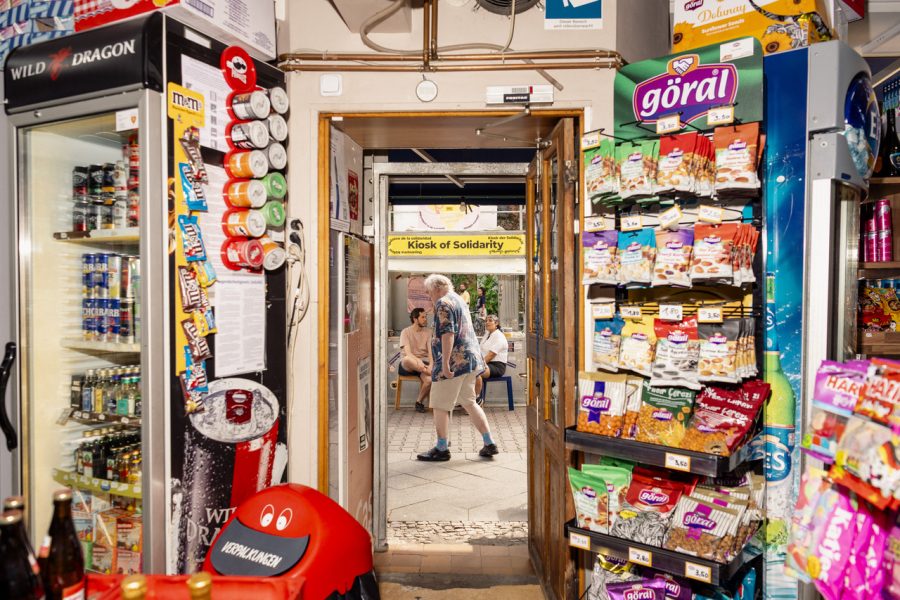
So what does Berlin do for you? How does it feel to be a Berliner? Do you even feel like one? Do you feel closer to Berlin than to the city or country you come from? We are all different, and our perspectives evolve over the years. A common denominator could be curiosity: being open to hearing others’ stories, welcoming their perspectives, and not judging. Respect and understanding. That alone is already a big step forward — opening your mind.
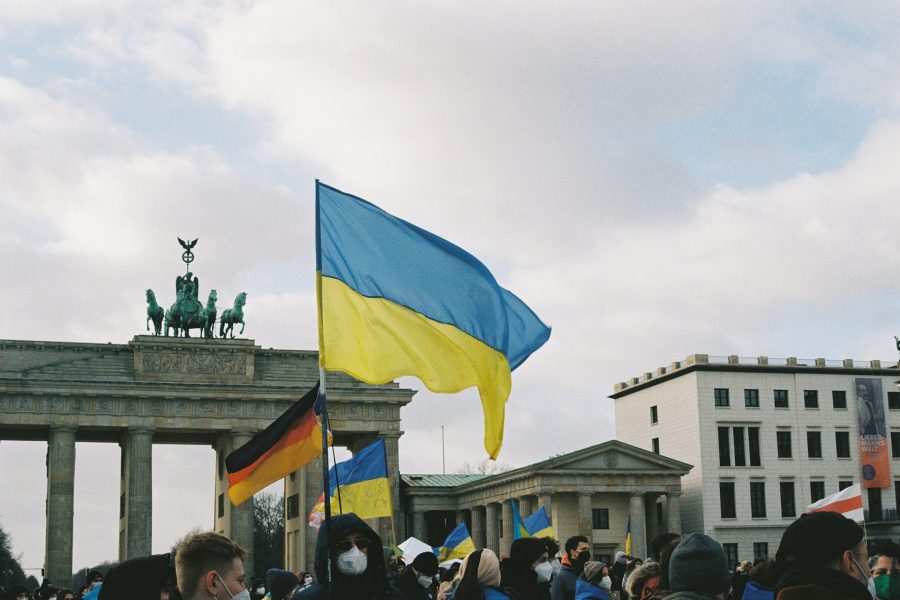
Berlin can be ignorant and rude. Openness and understanding already change a lot. That is why we need public spaces for discussion, where we can meet people outside of our bubbles. Through dialogue and getting to know others, common ground emerges. Plans form. Dreams about the future take shape. This is how we see Berlin: a colorful space woven from people and stories, coming from very different corners of Germany, Europe, and the world. Being in a city where walls were torn down can give us the feeling that anything is possible — even that we, as Berliners, can start to co-create our lives.
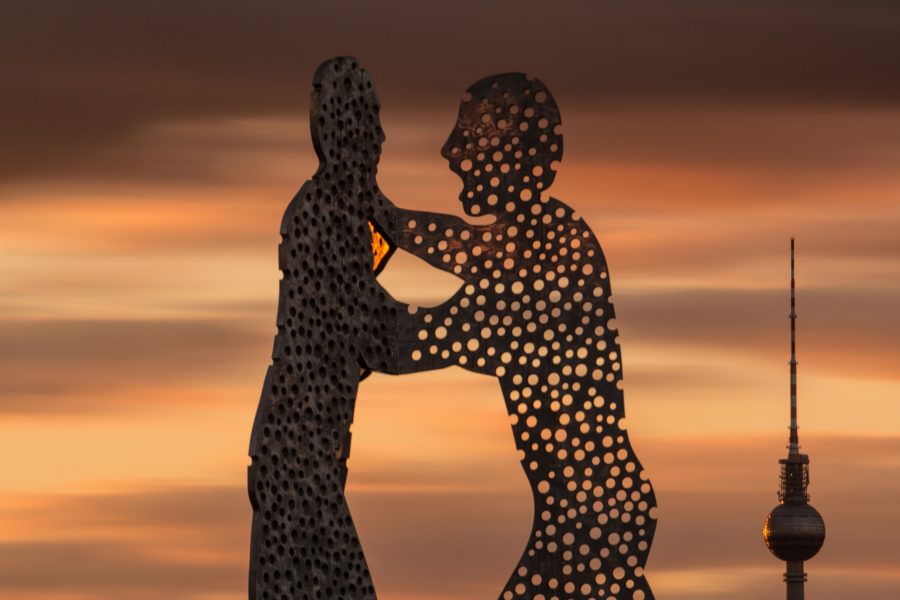
Human connections can lead us toward a bright future, where the most important goal is living in an inclusive, collaborative, international society.
It could even lead to creating love brands — together — in Berlin.
That is the dream that drives us to write WahlheYmatPost, to organize WahlheYmat Talks, and to connect Berliners, wherever they come from. Let’s connect.