
Tag: Berlin
-

Two birthdays, one dream for Berlin
WahlheYmat was launched as an initiative on 15 September 2023, with Democracy Day providing the occasion. So this week, we turn three years old. Some international Berliners, including our co-founders, asked the question: If Berlin has become diverse and international, wouldn’t it be better to govern the city together? We had almost a hundred conversations with very different people about this…
-
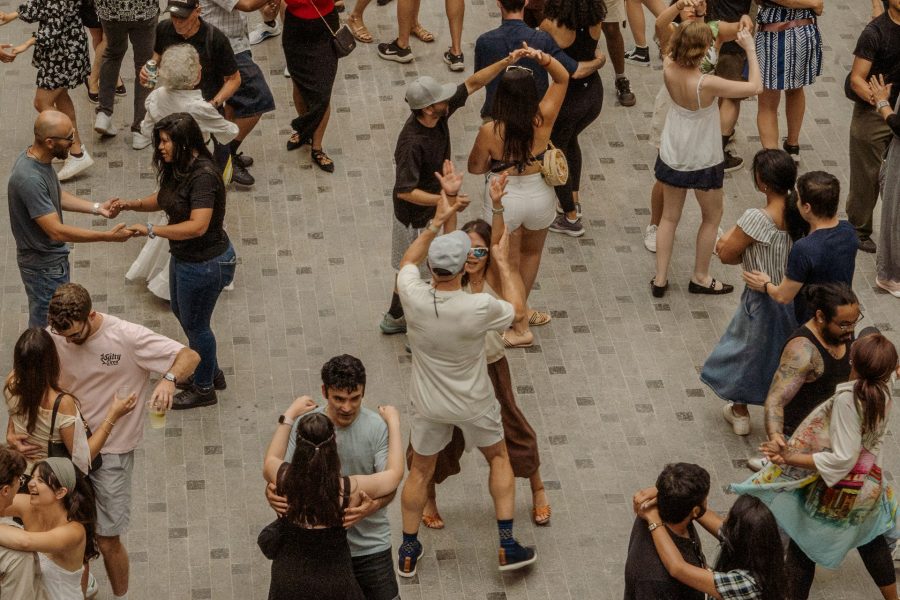
Strangers by the Spree: Inside Berlin’s Outdoor Latin Dance Community
Feierabend! A busy weekday is coming to an end, and Hauptbahnhof is becoming crowded with tired Berliners: businessmen with briefcases heading home after a long day at work, groups of schoolgirls huddled up on benches apathetically scrolling on TikTok, and exhausted travelers searching for the S-Bahn that will finally take them to their accommodation. The night is just about to begin…
-
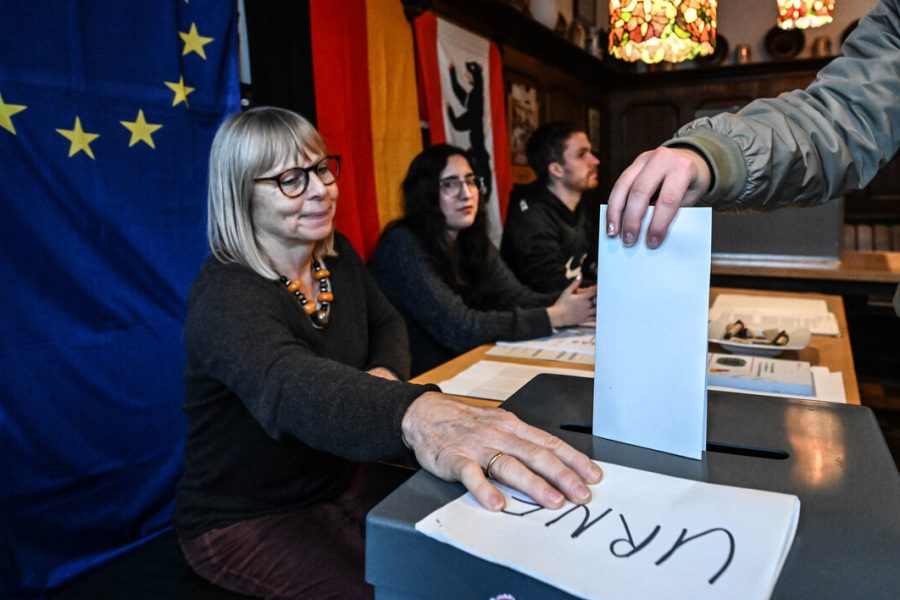
Berlin Wiki: Election Day – From Casting Your Vote to the Results
What Happens on Election Day? Election day is when eligible voters in a democracy are called on to cast their ballots. Voting and Counting the Votes In Germany, elections must be held on a Sunday or a public holiday. Polling stations are generally open from 8 a.m. to 6 p.m. They are often located in schools, sports halls or town halls.…
-

StimmlosTrend 2026: 96 Percent Would Vote If They Could
Around one million people living in Berlin do not hold a German passport, 851,000 of whom are adults. They cannot vote in elections to the Berlin House of Representatives – and their political views are therefore largely absent from traditional election polling. WahlheYmat created StimmlosTrend 2026 to make these perspectives visible. Inspired by the BerlinTrend conducted by Infratest dimap, the survey…
-
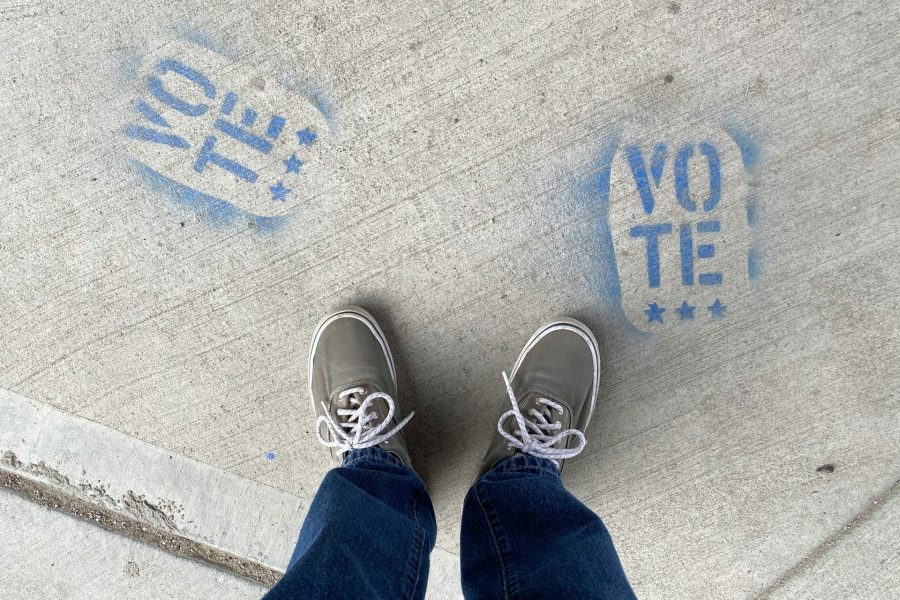
Berlin Wiki: How Do You Decide Who to Vote For?
How Do You Decide Which Party to Vote For? Many people find it difficult to decide which party to vote for. But instead of not voting at all, it is important to inform yourself thoroughly. Democracy is based on people making decisions together based on their own convictions. To do so, voters need to be aware of their own views and…
-

A Mayor Tandem for Berlin
What if Berlin had two Regierende Bürgermeister:innen? One representing the city’s elected voice — and another representing the voice of Berlin’s international residents who live, work and contribute here but do not have German citizenship and therefore cannot vote in Berlin elections. Because in a democratic society, it can’t be right that 25% of the people who live here have no…

WahlheYmatPost — Understand How To Berlin
Weekly guide for Berlin’s international community
Quick stories, local events, and ways to take part, right in your inbox — made with Berliner Morgenpost.
Your data matters to us — see our privacy policy.
This is a cooperation with Berliner Morgenpost. You can subscribe to their newsletters here.
