
Author: Ivan Gabor
Ivan is an organizer, builder, and leader who works on social impact and democracy related projects. Ivan has been living in Berlin, Germany since 2016. He spent two decades building media and advertising agencies in Hungary and Eastern Europe.
-

From Distrust to Dialogue: Why We Need to Meet
“Immigrants’ political trust starts high – and declines over time,” says the We-ID project, which we have covered in detail. Living in a better society, having a voice and being part of a democracy are among the most important factors people consider when choosing a new place to live. Before the rise of the AfD, Berlin and Germany seemed to offer…
-
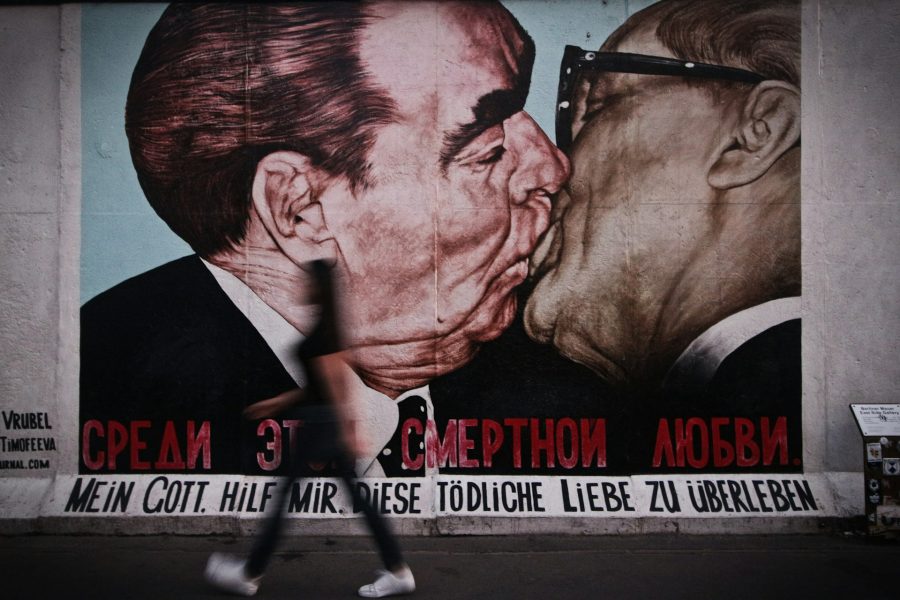
We talk a lot. But what do we actually do?
“When people co-create, we outperform any master plan.”Audrey Tang, Taiwan’s first Digital Minister described this as one of the lessons of Berlin in 1989. How are we performing today? What is the master plan? And what about co-creation? To answer this, let me start with my three lessons from Taiwan’s democratic process. It took decades for Taiwan to move from Chiang…
-
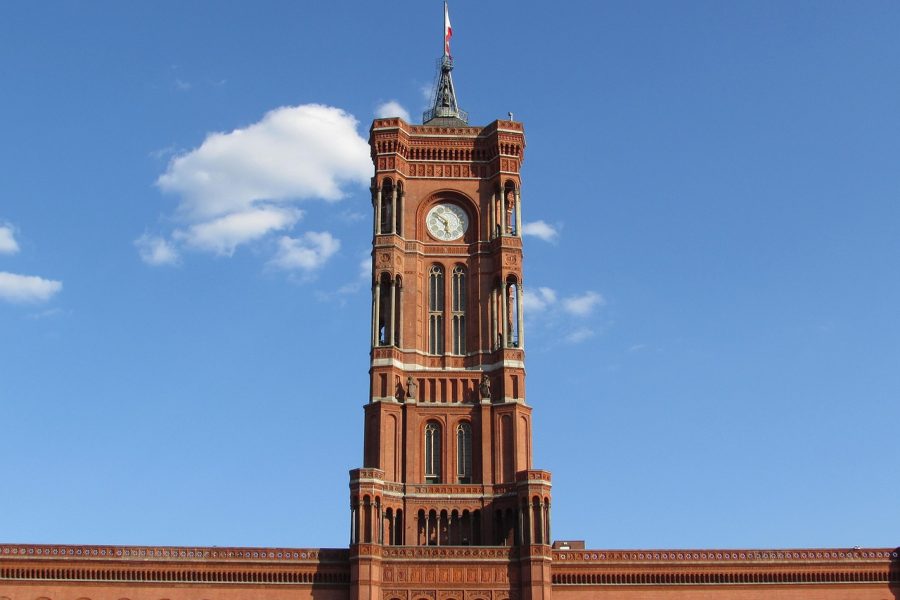
The Berlin Election Is Over – The Work Begins
What do the Berlin election results tell us? Our TOP 3 takeaways 1. Housing won Housing is clearly the central issue in Berlin, as StimmlosTrend also showed. Die Linke won by putting housing at the top of its agenda. Many citizens now hope they can deliver. 2. Voting with gloves Many people vote against a party or candidate rather than for…
-

Two birthdays, one dream for Berlin
WahlheYmat was launched as an initiative on 15 September 2023, with Democracy Day providing the occasion. So this week, we turn three years old. Some international Berliners, including our co-founders, asked the question: If Berlin has become diverse and international, wouldn’t it be better to govern the city together? We had almost a hundred conversations with very different people about this…
-
Who Will Lead Germany Into Its International Future?
What does the story of Charles De Gaulle teach us? Antonin Baudry’s La Bataille de Gaulle tells, in five hours, the story of the General during the Second World War. A great movie. I learned a lot. Tenacity. De Gaulle arrives alone in London. On 18 June 1940, he makes his first BBC speech, speaking on behalf of a free France.…
-

A Mayor Tandem for Berlin
What if Berlin had two Regierende Bürgermeister:innen? One representing the city’s elected voice — and another representing the voice of Berlin’s international residents who live, work and contribute here but do not have German citizenship and therefore cannot vote in Berlin elections. Because in a democratic society, it can’t be right that 25% of the people who live here have no…

WahlheYmatPost — Understand How To Berlin
Weekly guide for Berlin’s international community
Quick stories, local events, and ways to take part, right in your inbox — made with Berliner Morgenpost.
Your data matters to us — see our privacy policy.
This is a cooperation with Berliner Morgenpost. You can subscribe to their newsletters here.
